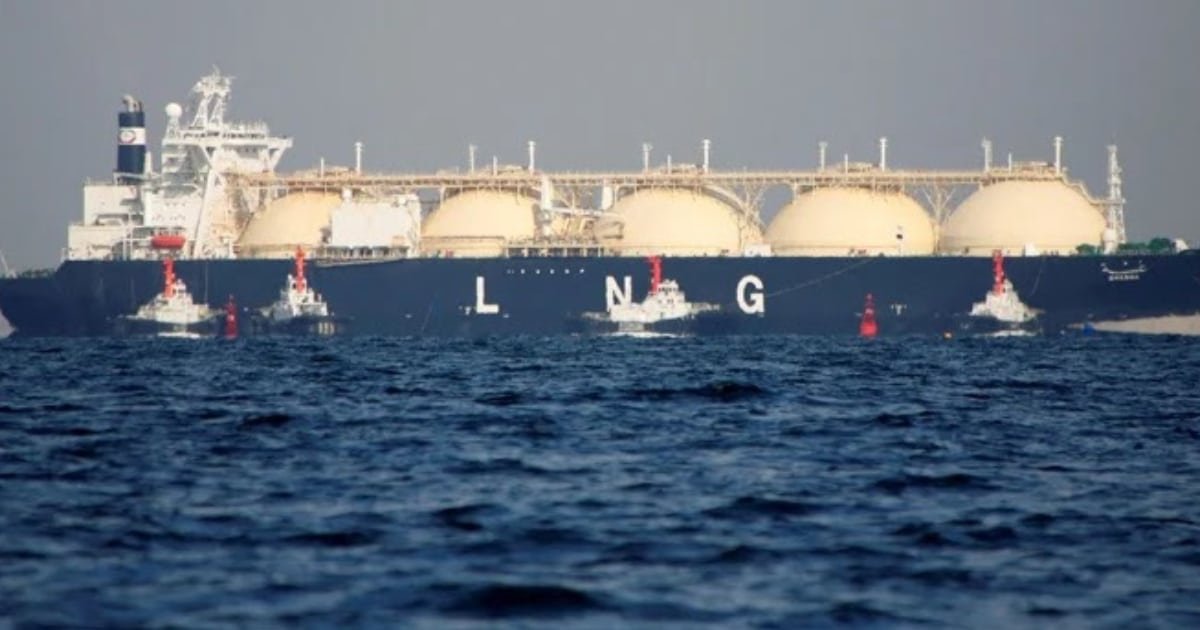



ISLAMABAD, May 7 — Pakistan LNG Limited (PLL) on Thursday rejected the two lowest bids for liquefied natural gas (LNG) imports, despite an urgent need to address a growing power shortfall and rising temperatures. The bids, submitted by BP Singapore and TotalEnergies, were priced at $17.28 and $16.98 per mmBtu, respectively. While authorities issued the urgent tenders following hopes that the Strait of Hormuz would soon reopen, the offered prices were deemed too high compared to previous long-term contracts. The decision comes at a critical time as the country faces increasing loadshedding and a halt in regular supplies due to regional geopolitical tensions.
Quick Facts
- PLL rejected the lowest bids of $17.28 (BP Singapore) and $16.98 (TotalEnergies).
- Urgent tenders were for two cargoes scheduled for May 12–14 and May 24–26.
- The Strait of Hormuz closure has severely disrupted Pakistan’s primary supply route from Qatar.
- Qatar recently declared force majeure on its LNG contracts after regional fuel installations were targeted.
- Ogra recently hiked RLNG prices by 19–22% due to terminal charges and low import volumes.
- Power Division has requested 400 mmcfd of LNG to combat early summer loadshedding.
Pakistan LNG gets lowest bids at $17.285 and $16.98 per mmBtu for May 12 & May 24 delivery – better than two rejected for similar dates last months.
Supplier response is also better – a total of seven bidders – anticipating opening of Straits of Hormuz
— Khaleeq Kiani (@KhaleeqKiani) May 7, 2026
High Bid Prices and Market Volatility
The rejection of these bids highlights the sharp contrast between spot market prices and Pakistan’s long-term agreements. Currently, spot bids are hovering near $17 per mmBtu, while long-term contracts with QatarGas typically average around $7.68 per mmBtu. Although the government is under pressure to secure energy for power generation, the high cost of spot purchases threatens to further inflate domestic gas prices, which Ogra recently increased to $12.50–$14 per mmBtu at the distribution level.
Geopolitical Impact on Energy Security
The ongoing crisis in the Gulf remains the primary hurdle for Pakistan’s energy sector. Following U.S. and Israeli attacks on Iran in February, subsequent retaliatory strikes on fuel installations in Qatar and the UAE led to the closure of the Strait of Hormuz. Consequently, Qatar—Pakistan’s top supplier—invoked force majeure, leading to the return of three Pakistan-bound cargoes. This disruption has forced PLL to rely on expensive spot tenders, most of which have been canceled or rejected over the past month.
Domestic Power Crisis and Loadshedding
With the onset of summer, the Power Division is struggling to meet electricity demand, leading to widespread criticism over unannounced loadshedding. Last week, an order was placed to arrange 400 million cubic feet per day (mmcfd) of LNG specifically for power plants. However, the inability to secure affordable cargoes means that power generation remains hampered, leaving authorities to bank on the potential reopening of international supply routes to stabilize the national grid.
Institutional Scrutiny of PLL
State-run Pakistan LNG Limited (PLL) is facing internal scrutiny for its inability to secure energy over the past year. Despite maintaining a full board and executive staff, the company has not successfully imported a cargo since early this year. The rejection of these latest bids marks another setback for the entity, which has not seen a tender through to completion since December 2023, raising questions about its effectiveness during a national energy emergency.
You May Like To Read: Pakistan possesses domestic fiscal space to address climate crisis, says Finance Minister
Check out our latest video: