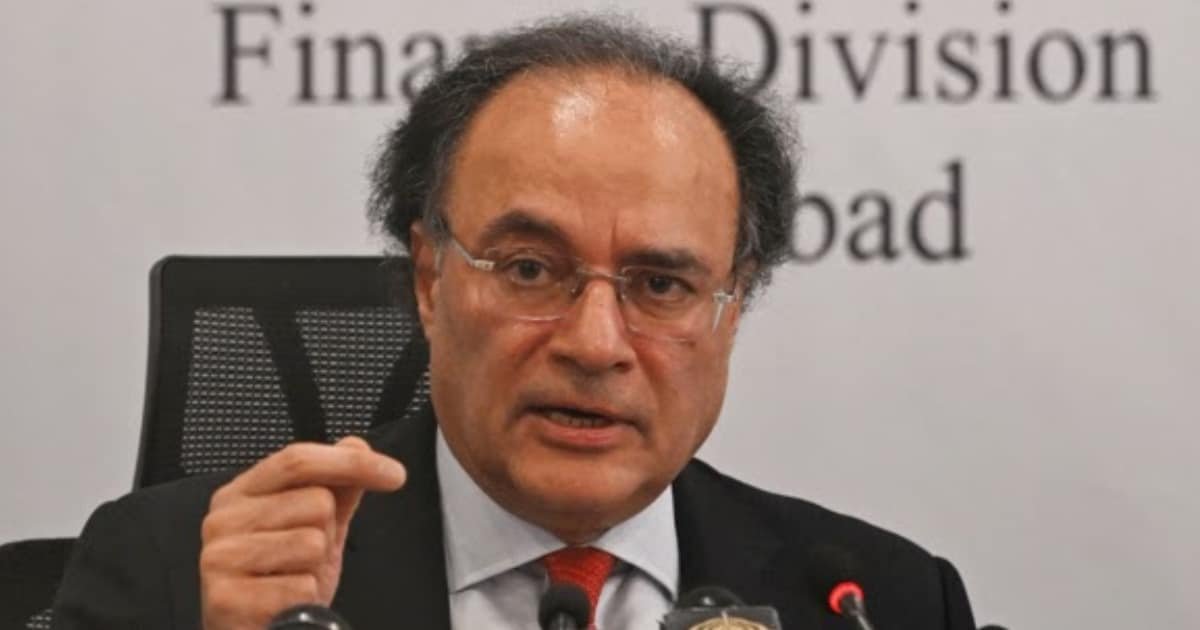





ISLAMABAD, May 7 — Finance Minister Muhammad Aurangzeb stated on Tuesday that Pakistan has sufficient internal financial capacity to manage climate change impacts, urging the country to utilize domestic resources before turning to international aid. Speaking at the ‘Breathe Pakistan’ conference, Aurangzeb noted that despite the high intensity of the 2025 floods—which affected three major rivers and nearly the entire country—the government opted not to seek immediate international funding due to an available “fiscal buffer.” He emphasized that achieving macroeconomic stability is the “basic hygiene” required to eventually unlock larger global climate funds.
Federal Minister for Finance and Revenue, Senator Muhammad Aurangzeb, delivered a keynote address at the Breathe Pakistan International Climate Change Conference 2026, organized by DawnMedia, emphasizing the urgent need for practical measures to tackle climate change and… pic.twitter.com/K6oQRxBDxL
— Ministry of Finance, Government of Pakistan (@Financegovpk) May 6, 2026
Quick Facts
- Finance Minister Aurangzeb claims Pakistan has the fiscal space to fund climate resilience locally.
- The 2025 floods are described as more intense and widespread than the devastating 2022 floods.
- Aurangzeb stressed a “whole-of-government” approach, involving all ministries in climate discourse.
- World Bank officials noted that while $6.3 billion is needed for climate action, global markets hold trillions in potential investment.
- The Pakistan Banks Association proposed a “climate-specialized bank” to bridge the awareness gap.
- Experts highlighted carbon finance as an “innovative instrument” to generate new revenue.
During the session, World Bank representative Adeel Abbas pointed out that the global economy has ample resources to bridge the financing gap, noting that $28 trillion was invested in structured financing last year. However, local experts, including Dr. Murtaza Syed of the Asian Infrastructure Investment Bank, warned that macroeconomic vulnerabilities often make it difficult for emerging markets like Pakistan to access these funds.
To streamline efforts, Pakistan Banks Association Chairman Zafar Masud called for the declaration of a “climate emergency” to translate policy into direct action. He argued that the primary hurdle is not a lack of funding, but rather a mindset and awareness issue regarding the direct impact of climate change on the populace. The conference concluded with a consensus that Pakistan must integrate its financial and environmental strategies to present a bankable and stable case to international green bond markets and climate funds.
You May Like To Read: Petroleum ministry ensures Pakistan maintains stable fuel stocks till late June despite global crisis
Check out our latest video: