




Pakistan and Southeast Asia have enhanced security and defence relationships over the past years. It indicates a strategic approach to ASEAN. Islamabad views ASEAN as a natural partner in ensuring regional stability and in counter-terrorism. In the 1990s, Pakistan joined ASEAN as a dialogue partner. Since then, it has been engaging in enhancing military cooperation and exchanges with member states. Islamabad officials highlight growing trade and people-to-people contacts. In 2024, trade with ASEAN increased by 23%. They claim that similar security threats, notably terrorism, establish a strong foundation of defence cooperation.
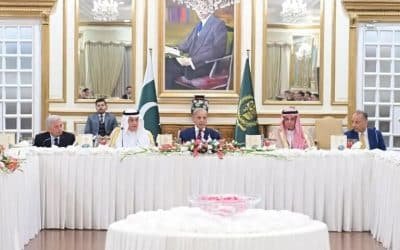
During the 58th ASEAN Day roundtable conference, ASEAN envoys praised Pakistan-ASEAN cooperation, endorsed ASEAN Vision 2045, and called for deeper ties across political, economic, security, and socio-cultural fields. Pakistan’s envoys highlighted progress in practical cooperation, growing bilateral contacts, and new opportunities in fintech, digital economy, sustainable development, trade, tourism, and cultural diplomacy, stressing the need for institutional linkages and high-level exchanges. Ambassador Imran Siddiqui reaffirmed Pakistan’s commitment under the Vision East Asia policy, cited ASEAN as a model for regional cooperation, and urged Full Dialogue Partner status, calling the partnership a “convergence of strategic destiny”. Ambassador Khalid Mahmood lauded ASEAN’s achievements, reaffirmed Pakistan’s active role, and praised ISSI’s efforts in strengthening ties through research, education, and policy dialogue.
Growing Defence Partnership
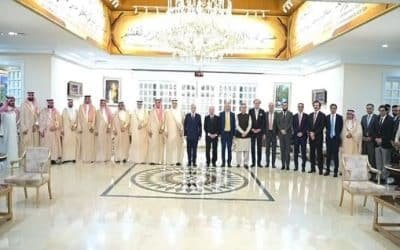
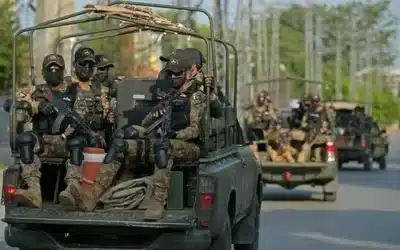
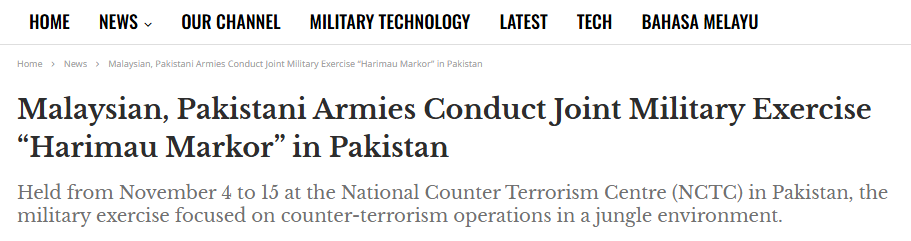
Pakistan also conducts joint military exercises and training sessions with many ASEAN armies. The Royal Ranger Regiment of Malaysia was hosted by the Pakistan Army during Exercise Harimau Markhor in 2024. It was a 12-day military exercise called Jungle Warfare that aimed at counter-terrorism. Pakistani media claimed that the exercise strengthened bilateral defense relations. It also allowed both armies to share ideas and expertise. During another meeting, the Pakistan Air Force chief met with the Air Chief of Malaysia. They agreed to expand military collaboration. The Air Chief of Pakistan promised more joint training programs. He also mentioned progress in Pakistan’s indigenous aviation technology. The Malaysian Air Chief appreciated the innovative projects in Pakistan during the defense expo of IDEAS. These exchanges show a growing defense partnership based on training, air power, and technology sharing.
Source: Defence Security Asia
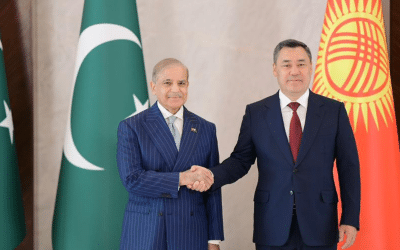
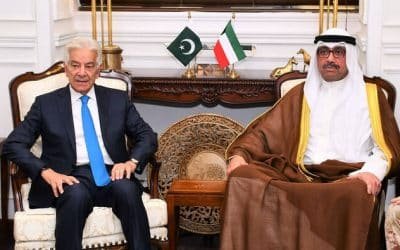
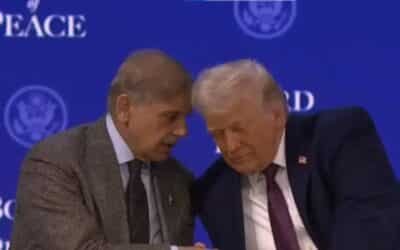
Defence ties have also been established between Pakistan and Indonesia. The military leaders and Prime Minister Shehbaz Sharif met with their Indonesian defence counterparts. They reaffirmed a Defence Cooperation Agreement. The Indonesian Defence Minister hailed the achievements of Pakistan’s counter-terrorism efforts. He mentioned the army operation against the militants. Both sides expressed interest in joint production. Indonesia needs Pakistan’s assistance in defence manufacturing. The Pakistani military press claims that the two nations have solidified relations under this agreement. They are exploring new areas like equipment production and training for mutual benefit.
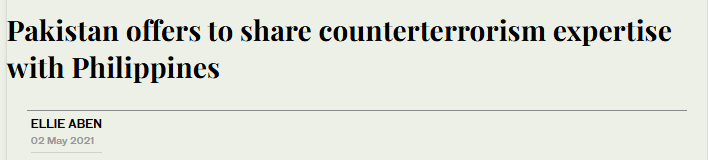
Cooperation also includes other ASEAN partners. The Philippines and Pakistan have signed a defence cooperation pact. Pakistan’s ambassador to Manila offered to share counter-terrorism expertise. He cited operations like Zarb-e-Azb and Radd-ul-Fasaad. He said Filipino forces fighting the Abu Sayyaf group could learn much from Pakistan. Pakistan has trained many ASEAN officers at its military academies. It has also sent its officers for capacity-building courses. Analysts in Pakistan stress mutual benefits. ASEAN forces gain skills in counter-terrorism and mountain or jungle warfare. Pakistan gains trust and markets for its defence industry. High-level diplomacy supports this defence outreach. They reaffirmed Pakistan’s commitment to shared defence forums. ASEAN ambassadors in Pakistan have responded positively.
Source: Arab News
Key Initiatives and Exercises
Pakistan often invites ASEAN officers to defence events. Malaysia’s air force chief visited Pakistan’s National Aerospace Park and Cyber Command. He praised Pakistan’s technological innovations. Pakistani and Indonesian land forces plan more joint exercises. They will also share tactics. Islamabad frames these activities as confidence-building measures. Senior Pakistani generals stress that working with Southeast Asian armies strengthens regional security.
Despite these efforts, Pakistan’s outreach still faces challenges. ASEAN traditionally focuses on Southeast Asian affairs. It also has competition from larger players. Even so, Pakistan finds encouragement in ASEAN’s public support for deeper ties. ASEAN Secretary-General Kao Kim Hourn praised Pakistan as its first dialogue partner. He backed expanded cooperation. ASEAN envoys also support Pakistan’s goal of full membership. They see Islamabad as a pillar of dialogue and stability. From Pakistan’s view, defence diplomacy with ASEAN is real and growing. ASEAN chiefs and diplomats often attend joint exercises and forums with Pakistan. Each engagement is highlighted in Pakistani media as proof of “strengthening bilateral ties.”
More Like This:
- PM Shehbaz Sharif Likely to Visit Japan in October
- Seven Volunteers Killed in Gilgit-Baltistan
- Field Marshal Asim Munir Strengthens U.S. Military Ties in High-Level Meetings
Conclusion
Pakistan’s defence diplomacy with ASEAN is active and multi-faceted. It includes joint drills, senior visits, training exchanges, and agreements. Through these, Pakistan projects itself as a security partner for Southeast Asia. Islamabad says these ties are not mere rhetoric. They are concrete collaborations. Bilateral exercises “cement collaborative efforts” and “enable exchange of ideas.” ASEAN leaders publicly welcome closer military engagement. Challenges remain. Yet Pakistan’s government says its defence diplomacy has already broadened regional connections. It will keep doing so in pursuit of peace and stability in Asia.