


Introduction: A Realm of Narratives and Narrators
Since 1947, Pakistan has built a rich literary tradition shaped by its political and social struggles. Writers like Saadat Hasan Manto, Faiz Ahmad Faiz, and Kamila Shamsie explore themes of identity and trauma. They also connect with both national and global literary movements. Most of this work is in Urdu and English. It blends critique with patriotism, enriching Pakistan’s culture and earning global recognition.
Manto: The Mirror and the Rebel
Saadat Hasan Manto’s writing captured the pain and chaos of Partition. He showed both the flaws and the beauty within society. His stories faced harsh truths and explored human nature. They encouraged readers to think and heal. Though seen as anti-establishment, Manto was deeply patriotic. He urged Pakistan to face the human cost of freedom. He gave a voice to the ignored—prostitutes, the mentally ill, and migrants. Through them, he called for awareness, justice, and compassion from the state.
Saadat Hasan Manto: A Voice from the Partition Era
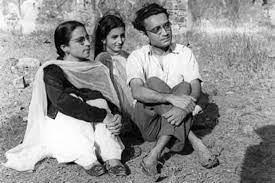
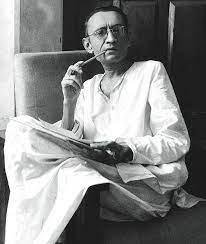
Saadat Hasan Manto (1912–1955) was one of the most powerful short-story writers of the 20th century. He wrote mainly in Urdu. His stories offer a raw look at life during the violent Partition of India in 1947. Manto explored taboo topics like sexual violence, prostitution, and social hypocrisy. He faced several obscenity trials but was never convicted. His famous works—Toba Tek Singh, Khol Do, and Thanda Gosht—show the cruelty of that era. Toba Tek Singh, in particular, uses the voices of mental patients to expose the absurdity of dividing nations.
Source: Lifestyle Source: Reclaim
His writings serve as a crucial historical record of the human cost of political strife. Posthumously awarded the Nishan-e-Imtiaz by the Government of Pakistan, Manto’s life has also inspired two biographical films.
Connecting Generations: Literary Milestones from Manto to Hamid
Saadat Hasan Manto laid the foundation for literary realism, while Mohsin Hamid embodies Pakistan’s contemporary global voice. The vibrant years from the 1960s to the late 1990s were characterised by literary innovation, nation-building narratives, and cultural reflection amid military rule and social change.
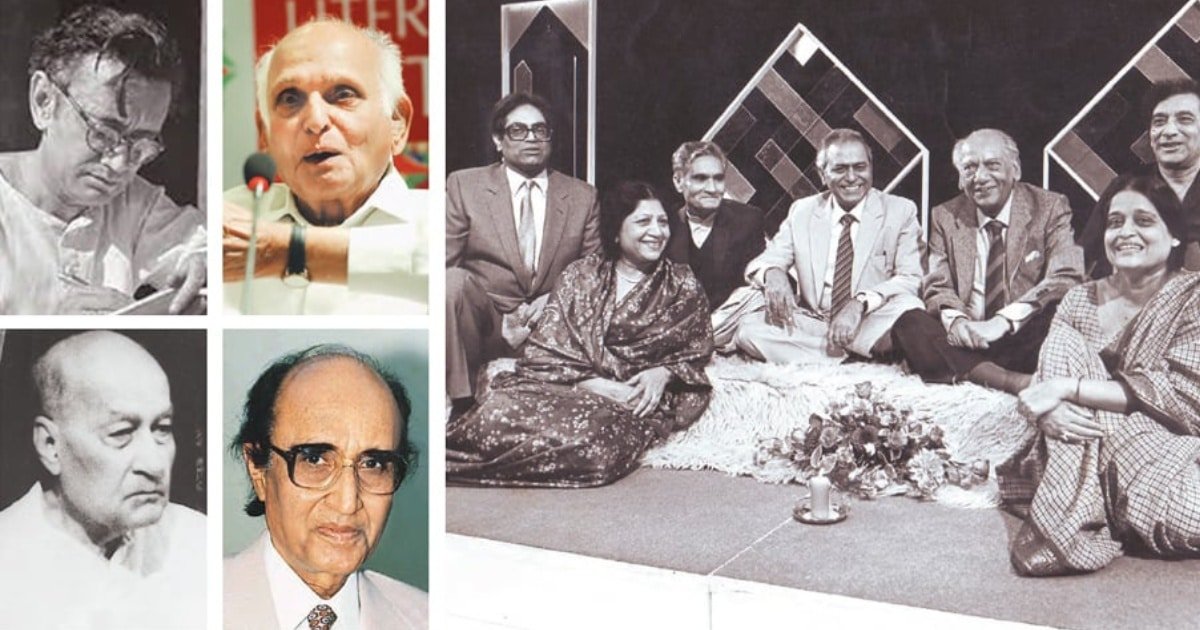
Following Partition, Pakistan aimed to establish a national literary identity through institutions like the Pakistan Academy of Letters, promoting diverse languages. Writers such as Faiz Ahmed Faiz and Intizar Hussain carried on Manto’s legacy. Faiz’s poetry, exemplified by “Hum Dekhenge,” merges his socialist ideals with a deep love for his country, highlighting the vital role of intellectuals in shaping national identity.
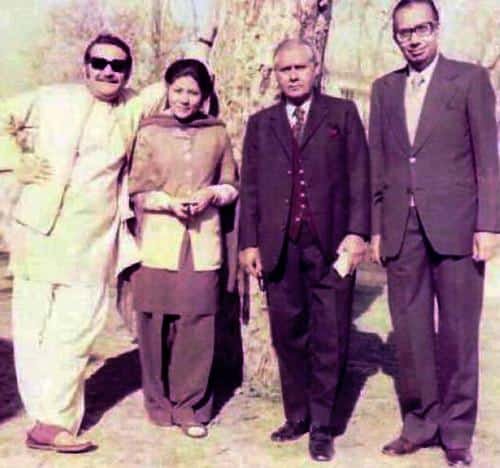
Notable works from this era include Ahmed Nadeem Qasmi’s short story Anchal, which shows rural life and women’s struggles. It promotes social justice through a human-centered lens. In Basti (1979), Intezar Hussain reflects on Partition and the cultural breakup during General Zia’s rule. He criticizes rising extremism and imagines a more tolerant Pakistan. Bano Qudsia’s Raja Gidh (1981) looks at moral decline under Zia’s regime. It uses a story of forbidden love to spark reflection on personal choices and Islamic values. In Udaas Naslain (1963), Abdullah Hussain tells a family’s story across colonial rule and Partition. His novel highlights the idea of national identity and the sacrifices made for Pakistan’s birth. This video beautifully explains the novel’s intricacies. Parveen Shakir’s “Khushbu” (1976) presents a feminine perspective in Urdu poetry, addressing love and societal expectations while critiquing patriarchy and championing emotional independence.

Support from the Government and Literary Organizations
During this period, the Pakistani government actively institutionalized literature through national literary awards, state publishing houses, and the inclusion of regional works in educational curricula. The Pakistan Academy of Letters (established in 1976) and media platforms like Radio Pakistan and PTV played key roles in promoting literary works.
Writers like Intizar Hussain, Bano Qudsia, Abdullah Hussain, Ahmed Nadeem Qasmi, and Parveen Shakir received top state honors such as the Pride of Performance and Sitara-e-Imtiaz. This shows how closely literature is tied to nation-building. Their work recorded Pakistan’s journey, pointed out social problems, and reminded us that the soul of the country lives in its stories.
During times of change, these writers stayed connected to the state. They shaped public opinion, influenced cultural values, and helped build a more aware and united Pakistan.
Source: Islamabad Source: DAWN
The English Language Shift: From Kamila Shamsie to Mohsin Hamid
The rise of the middle class and globalisation has boosted Pakistani literature in English. Writers like Mohsin Hamid and Kamila Shamsie have gained global fame while staying true to their roots. In books like The Reluctant Fundamentalist and Exit West, Hamid explores identity and migration. His work reflects Pakistan’s social and political realities. He presents the country as active and influential, not just reactive.
Literature as a Link: Diaspora and Dual Identities
Pakistani authors living abroad are reshaping literature by offering deeper views of their homeland. Kamila Shamsie’s Home Fire, inspired by Antigone, explores loyalty and belonging through a lens rooted in Pakistani values. The success of such writers highlights Pakistan’s rich literary tradition. It also shows the power of stories to spark critical thinking and creativity, even in hard times.

Mohsin Hamid: The Contemporary Global Narrator
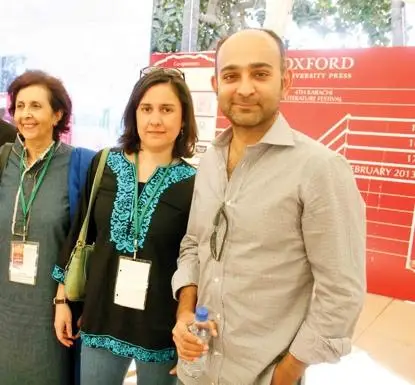
Mohsin Hamid (born 1971) is a leading novelist who brought Pakistani literature to a global stage. His English novels stand out for their creative style and focus on issues like globalization, migration, and identity. Hamid often writes about cultural dislocation and East-West tensions, especially after 9/11. His bestseller The Reluctant Fundamentalist (2007) follows a Pakistani man who grows disillusioned after leaving a corporate job in New York. In contrast, Exit West (2017) tells a magical tale of a couple fleeing war through special doors, showing the pain and hope of migration.
Hamid has significantly elevated Pakistani English literature on the global stage, offering nuanced perspectives that challenge oversimplified views of his homeland. He holds dual citizenship in Britain and Pakistan, reflecting the blended identity that informs his work.
Source: Scroll
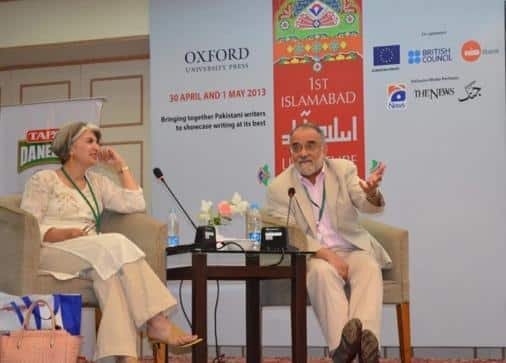
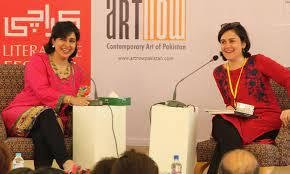
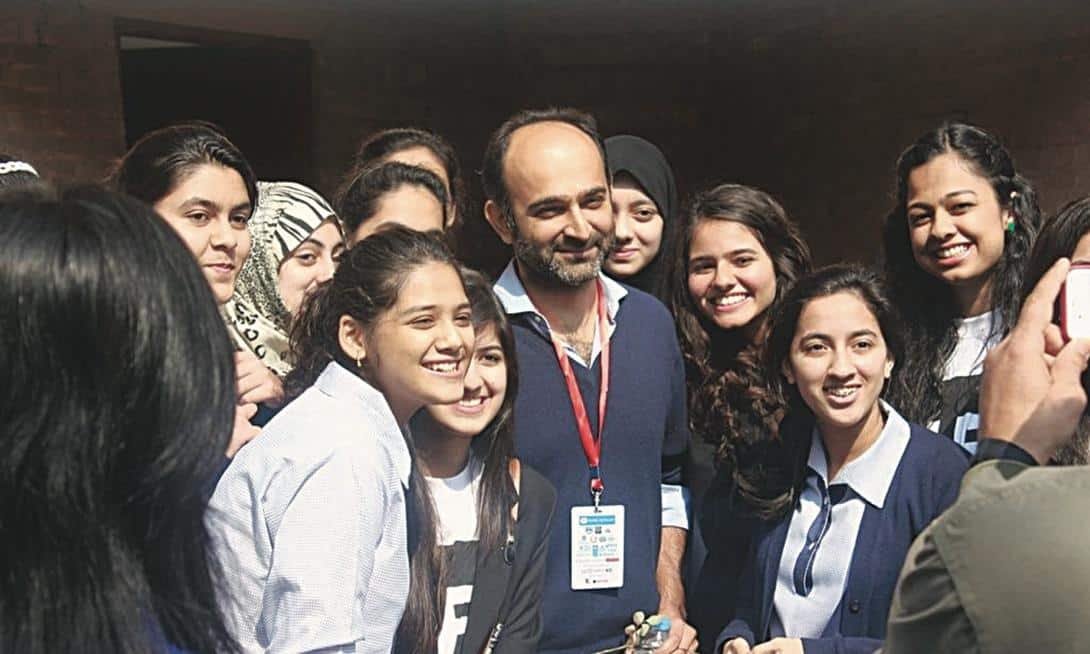
State-backed events like the Lahore, Karachi, and Islamabad Literary Festivals have grown in importance. These gatherings bring writers, thinkers, and artists together to promote dialogue and civic awareness. The presence of government officials shows that literature is seen as a national treasure and a reflection of Pakistan’s intellectual roots.
Many writers do criticize government policies and social issues. But this doesn’t make their work anti-state. In Pakistan, literature acts as a moral voice. It calls for reform and reflects a thoughtful kind of patriotism—one that seeks a fairer and more inclusive society.

Source: DAWN
A Nation in Dialogue with Itself
Pakistan’s literary journey is one of self-discovery. It blends pain with healing in powerful ways. The state’s growing support shows that this heritage is key to our national identity. In a time of global confusion and misinformation, literature unites us. Pakistani authors write stories that honor their homeland and still connect with readers worldwide.
This evolution—from Manto to Hamid—shows how far we’ve come. Manto captured the sorrow of Partition in Urdu. Hamid writes in English and focuses on global issues. Together, they show Pakistan’s shift from early struggles to a bold voice in the modern world. Both break stereotypes. Manto reveals deep humanity in times of crisis. Hamid presents a complex image of Pakistan that questions and expands Western views.