




KARACHI: The rabies death toll in Sindh has climbed to 25 this year after a 12-year-old boy died at the Indus Hospital on Wednesday, despite having received multiple vaccine shots following dog-bite injuries.
Hospital officials said the child had already developed full-blown rabies by the time he was brought to the Indus Hospital on Tuesday. He had suffered multiple dog bites in his village in Balochistan more than two months ago and was initially treated at a government taluka hospital in Garhi Khairo, Jacobabad district. Family members said he received several “vaccine” injections there in October.
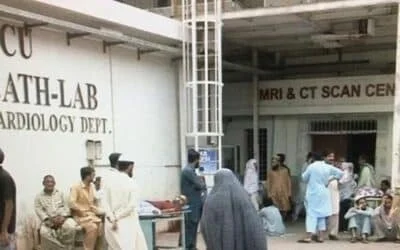
Health officials said most rabies victims this year have been children, many from interior Sindh, who travelled to Karachi after failing to receive proper treatment in their hometowns. Of the 25 deaths reported so far, 14 cases were recorded at Jinnah Postgraduate Medical Centre (JPMC), nine at the Indus Hospital, and one each at the National Institute of Child Health (NICH) and Nawabshah Civil Hospital.
Victims hailed from districts including Qambar, Mirpur Mathelo, Ghotki, Dadu, Badin, Larkana, Jacobabad and Sukkur.
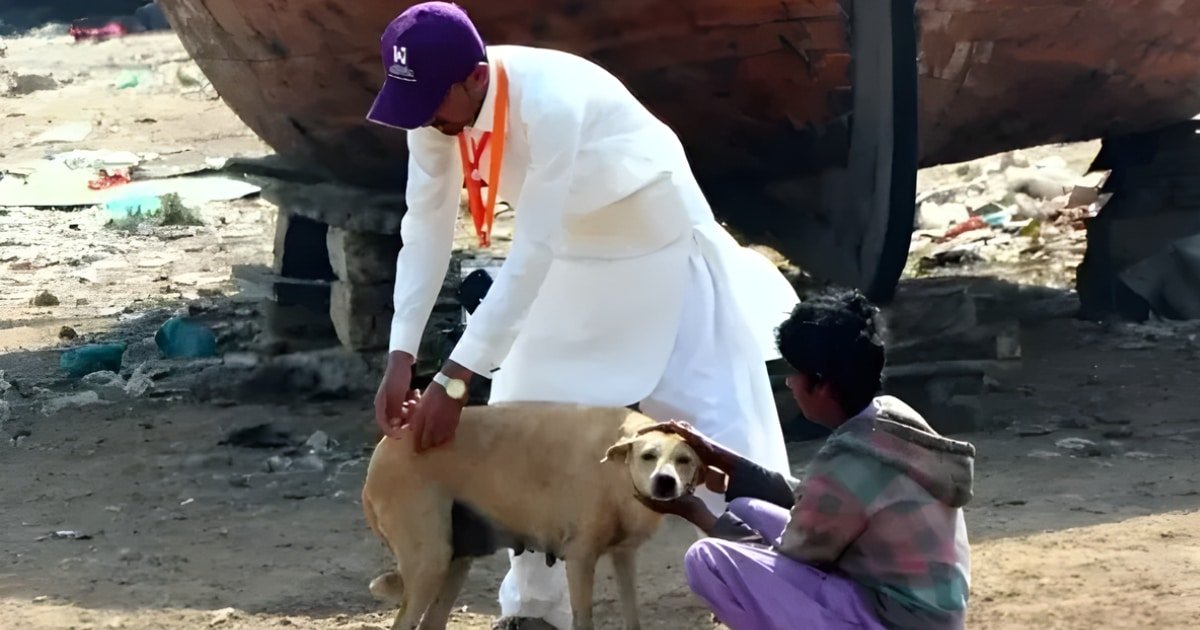
The scale of the problem is reflected in the high number of dog-bite cases. Around 42,000 dog-bite victims have been reported this year at Karachi’s three major tertiary hospitals — JPMC, Civil Hospital Karachi and the Indus Hospital.
Indus Hospital official Aftab Gohar, who heads the Rabies Prevention and Training Centre, said the hospital had recorded three rabies deaths this month alone, bringing its total to nine for the year. He stressed that rabies is entirely preventable if correct post-exposure treatment is provided on time.
You May Also Like: Conflict with Humans Threatens Survival of Endangered Wolves in Sulaiman Range
“Analysis of our data shows an urgent need for public awareness, proper training of healthcare providers, availability of life-saving medicines and effective control of the dog population,” he said.
Mr Gohar explained that four of the nine victims treated at Indus Hospital had not sought medical care at all after being bitten, while the remaining five did not receive correct treatment. “Multiple vaccine shots alone cannot save patients with serious bite injuries. Such cases require rabies immunoglobulin (RIG) along with vaccination,” he added.
A significant number of these patients hailed from the interior parts of Sindh who were forced to travel to Karachi after failing to get the treatment in their area of residence of nearby district.https://t.co/Kj42AX9f0J
— Dawn.com (@dawn_com) December 25, 2025
Regarding the latest case, he said the boy’s wounds had neither been properly washed nor treated with RIG at the initial health facility. “Each wound was deep and carried a high risk of rabies. There is also a question mark over the quality of the vaccine, as the family had no documentation to confirm its administration,” he said.
Medical experts warn that while rabies is completely preventable, it is almost always fatal once symptoms appear, highlighting the critical importance of timely wound care, vaccination and administration of rabies immunoglobulin after animal bites.
Check out our latest video: