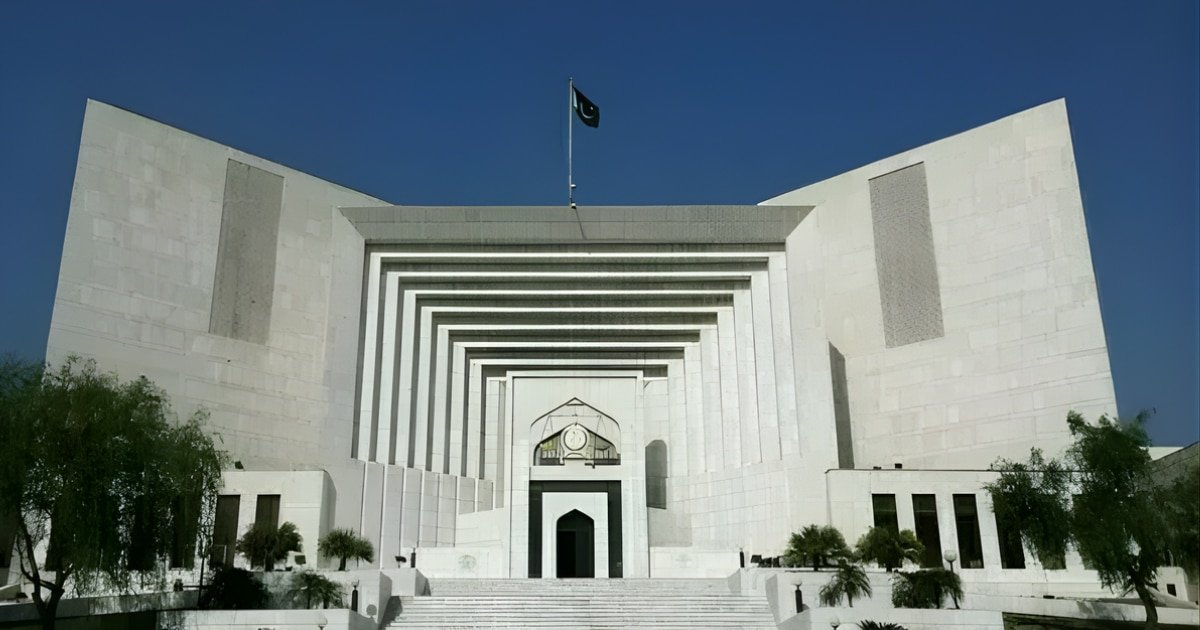





ISLAMABAD — The Supreme Court of Pakistan has dismissed a petition filed by the former Chief Justice of the Sindh High Court (SHC), upholding a lower tribunal’s decision to reinstate District and Sessions Judge Aijaz Ali Khaskheli. The verdict, announced Friday, settles a decade-long dispute and reinforces the principle that judicial heads cannot act as both “accuser and judge” in disciplinary matters.
SC Verdict on Judge Aijaz Khaskheli
- The Bench: Justice Shahid Waheed, Justice Naeem Akhtar Afghan, and Justice Shakeel Ahmed.
- The Verdict: Upheld the September 30, 2024, ruling of the Sindh Subordinate Judicial Service Tribunal.
- Key Legal Principle: Nemo judex in causa sua (No one should be a judge in their own cause).
- Case History: Dismissed in 2016 by then-SHC CJ Sajjad Ali Shah; reinstated in 2026.
- Status: Reinstatement ordered with all back benefits.
You May Also Like: National Assembly Passes Bill Allowing Temporary Secrecy for Lawmakers’ Assets on Safety Grounds
The “Wall Controversy” that Led to Dismissal
The dispute originated in 2016 when Judge Khaskheli, then serving in an accountability court in Hyderabad, issued a notice to the Hyderabad Commissioner. The judge sought the Commissioner’s attendance regarding the non-release of funds for the construction of a compound wall at his official residence.
Following this, then-Chief Justice Sajjad Ali Shah initiated disciplinary proceedings, leading to Khaskheli’s dismissal. However, the Supreme Court noted that the initial proceedings were “fundamentally flawed,” as the Chief Justice who initiated the complaint also acted as the final punishing authority.
Procedural Lapses and Natural Justice
The Supreme Court’s decision solidifies the September 2024 ruling by the Sindh Subordinate Judicial Service Tribunal. That tribunal found:
- Disproportionality: The penalty of dismissal was too severe for the alleged misconduct.
- Procedural Violations: The judge was removed without a regular departmental inquiry or repatriation to his parent department, violating the Sindh Civil Servants (E&D) Rules, 1973.
- Conflict of Interest: The principle of natural justice was breached because the “initiator” was also the “executor” of the punishment.
Impact on Pakistan’s Judicial Service Rules
The SC registrar argued that a service tribunal should not interfere with the discretionary powers of a High Court Chief Justice. However, the SC bench rejected this, clarifying that judicial discretion must be exercised within the bounds of law and due process.
This landmark ruling is expected to lead to a review of how disciplinary cases against subordinate judges are handled across Pakistan, ensuring that the “Authorized Officer” and the “Competent Authority” remain distinct roles to maintain impartiality.
CJ Sindh Ahmed Ali though respondent has malafidely manoeuvred even not to hold sitting and fix service appeals of ex judges including ex district judge Aijaz Khaskheli since 2 years. pic.twitter.com/pqk0rXDDnE
— Serai Niaz Khaskheli (@serai_niaz) April 9, 2023
Check out our latest video: