



The Rise of Undercover Journalism—and the Urgency of Accountability
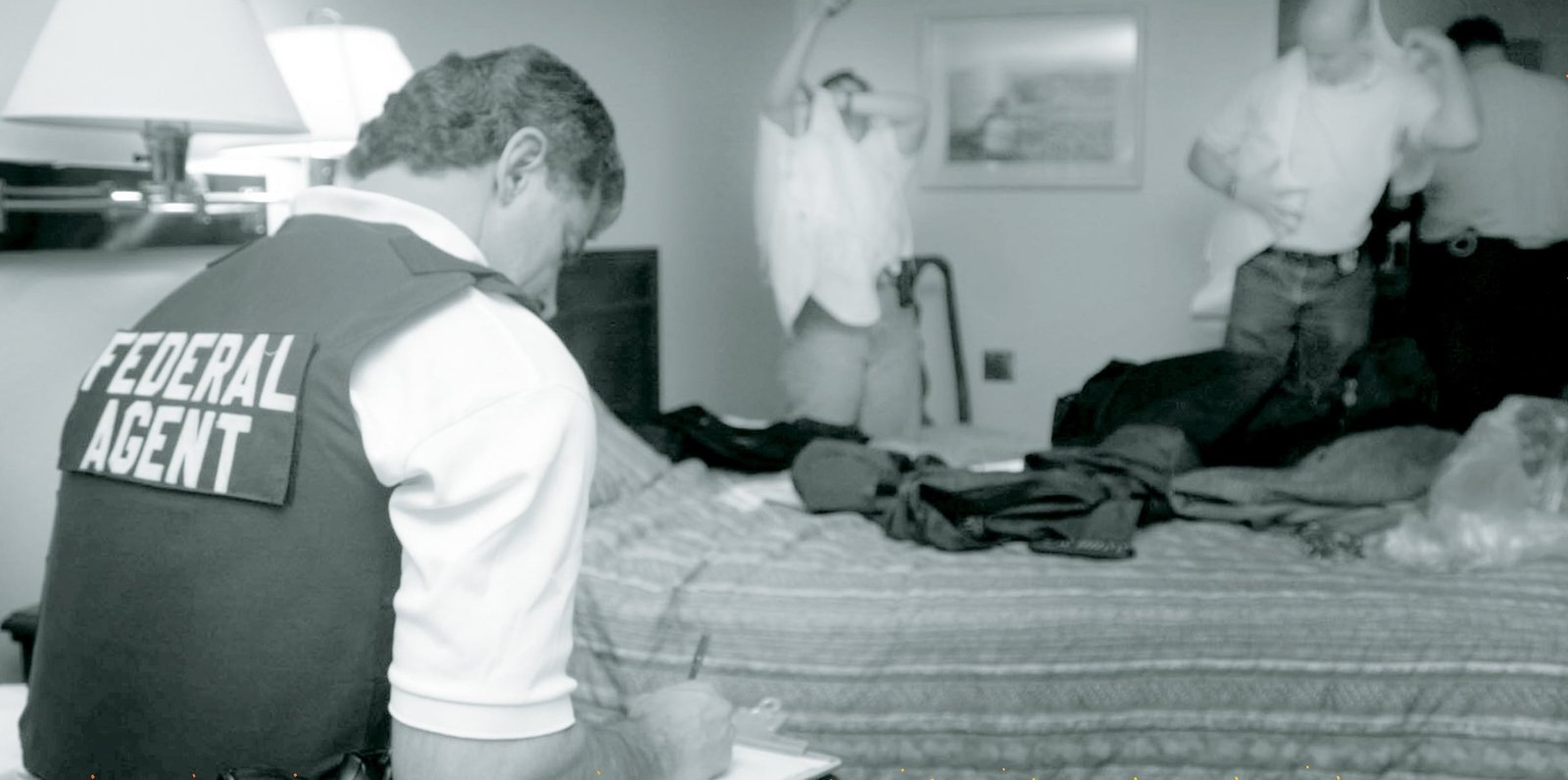
Sting operations, once a daring frontier of investigative journalism, are fast becoming a dangerous double-edged sword in Pakistan’s media landscape. These operations—often involving hidden cameras, fake identities, and staged scenarios—have become common across news channels and digital platforms. But as the public appetite for “caught-on-camera” scandals grows, so do the ethical, legal, and journalistic risks.
It’s time to ask: when do these stings serve the public interest, and when do they simply serve ratings?
What Is a Sting Operation in Journalism?
A sting operation is a form of undercover journalism where reporters use deceptive techniques—like hidden devices and false identities—to expose corruption or illegal activity. The goal is to gather direct evidence that would otherwise be unattainable through conventional reporting methods. Global Investigative Journalism Network defines undercover work as a “last resort” tactic, justifiable only when a story holds overwhelming public interest and cannot be revealed by other means.
But how often do we draw that line in Pakistan?
The Evolution: From Social Reform to Spectacle
The concept of going undercover in journalism dates back over a century. In 1887, Nellie Bly, feigning mental illness, exposed horrific conditions in a New York asylum—an investigation that led to policy reform. PBS and the U.S. National Park Service both document Bly’s trailblazing role in muckraking journalism—a term synonymous with early social reform reporting.

Source: Wikipedia | Nellie Bly
In the 1960s, Gloria Steinem went undercover at the Playboy Club, revealing the exploitative nature of women’s employment. Her exposé “A Bunny’s Tale” still resonates in discussions on gender and labor rights.

Source: Wikipedia | Gloria Steinem
By the 1990s, with the rise of hidden video, sting operations became more visual and theatrical. The Food Lion v. ABC case was a landmark legal dispute over journalistic deception, underscoring the importance of clear ethical boundaries.
Sting Journalism in Pakistan: Between Reform and Sensationalism
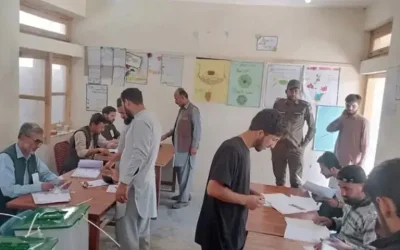
In Pakistan, sting operations have grown immensely popular, often led by high-profile investigative programs.
- Sar-e-Aam (ARY News), hosted by Iqrar-ul-Hassan, is perhaps the most visible example. The program has exposed bribery, food adulteration, and medical malpractice—sometimes with dramatic outcomes and real consequences.
- Other shows, such as Khara Sach, have also adopted sting formats, occasionally triggering public backlash and institutional responses.
However, the question remains: are all these operations in the public interest, or are some merely exploiting content disguised as journalism?
Ethical Fault Lines: Trust, Entrapment, and Privacy
As highlighted by the Ethical Journalism Network, deception in journalism raises serious concerns:
- Entrapment: Journalists must not provoke individuals into committing crimes they would not otherwise commit.
- Privacy Violations: Recording without consent, especially in private spaces, can breach not just journalistic codes but also basic human rights.

Source: Neiman Reports
- Trial by Media: When accused individuals are shown on national TV before a court verdict, it undermines due process and contributes to reputational damage, sometimes irreparably.
- Sensationalism over Substance: There’s a growing tendency to prioritize viral moments over meaningful accountability.
As noted by Nieman Reports, journalism’s first obligation is to the truth, not to shock value.
The Legal Gray Zone in Pakistan
Unlike countries with detailed media regulations, Pakistan lacks a cohesive legal framework on sting journalism. While the Office of Justice Programs in the U.S. provides detailed guidance for such operations in law enforcement, no such benchmarks exist for media operations.
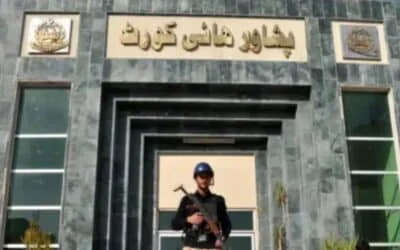
Pakistani journalists can face legal consequences, but so can their subjects—often without recourse or representation. Cases of assault on reporters, retaliatory arrests, and lawsuits are not uncommon. The lack of clarity leaves everyone vulnerable.
Technology: Empowering and Endangering
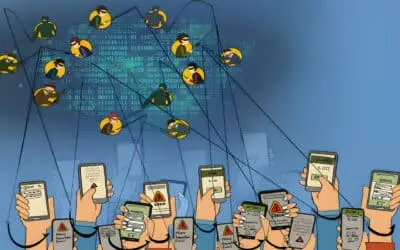
Thanks to modern miniaturized cameras and mobile phones, anyone can now conduct a sting operation—even without journalistic training. As reported by the ASU Center for Problem-Oriented Policing, the use of covert tech raises pressing privacy concerns.
This democratization of sting journalism, while powerful, is dangerous in the absence of verification, editorial oversight, or accountability. Viral videos without fact-checking can ruin lives.
Global Lessons, Local Responsibility
Globally, media organizations like the BBC have established internal codes to regulate undercover work. In Pakistan, PEMRA and press councils must consider issuing similar ethical guidelines. These should include:
- Editorial review boards for sting approval.
- Transparency post-publication, including explanation of methods used.
- Training programs in journalism schools focusing on ethics and digital forensics.
Conclusion: Not Every Hidden Camera Tells the Truth
Sting operations are a powerful journalistic tool—but only when used sparingly, ethically, and transparently. In Pakistan, their growing popularity poses real risks: not just to those exposed, but to the credibility of journalism itself.
When stings are used to entertain rather than inform, to provoke rather than investigate, and to shame rather than hold accountable, we lose something more than trust—we lose the very foundation of a free press.
The media must decide whether to be a mirror that reflects reality or a magnifying glass that distorts it.