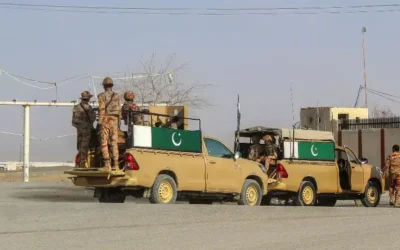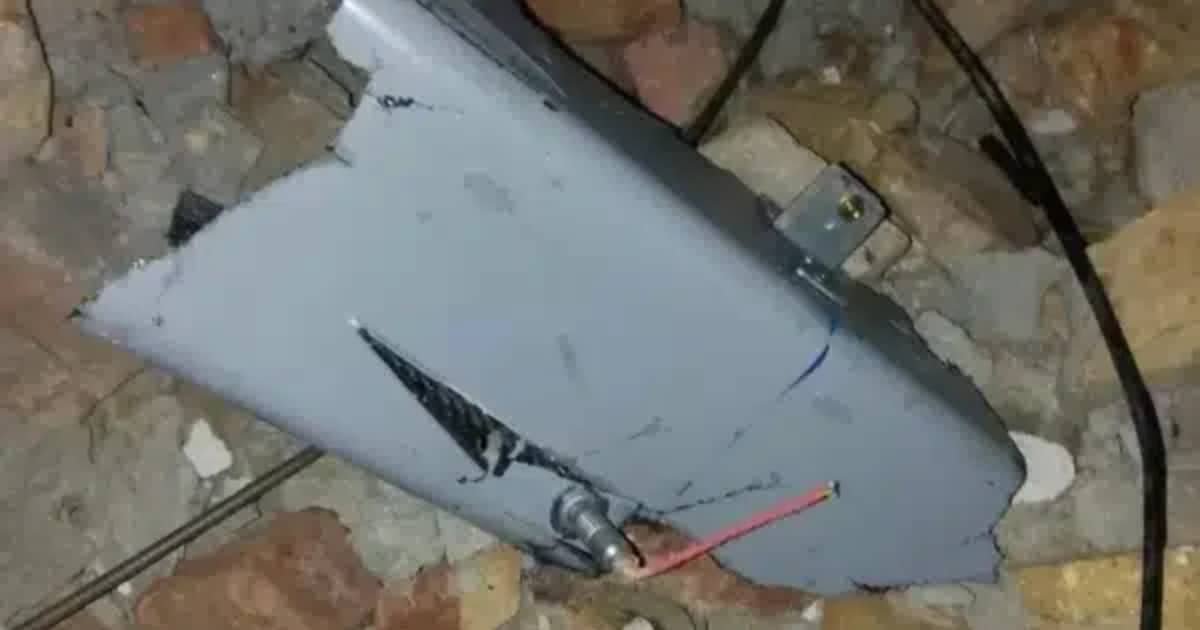





The Inter-Services Public Relations (ISPR) has confirmed that Pakistan’s air defense systems successfully neutralized a coordinated drone attack attempt by the Afghan Taliban yesterday. While the “hard and soft kill” methods prevented the drones from hitting their intended military or civilian targets, the resulting debris caused injuries to four civilians, highlighting the escalating risk of “spillover” as the border conflict enters its third week.
BREAKING:
Islamabad:
Two drone attacks by Afghan forces on a military installation named Hamza near Faizabad Interchange in Islamabad. pic.twitter.com/PvuX6HEeTl— برهان الدین | Burhan uddin (@burhan_uddin_0) March 13, 2026
Interception and Tactics
The ISPR statement characterizes these drones as “rudimentary,” suggesting they were either off-the-shelf commercial drones modified for explosives or low-cost fixed-wing suicide UAVs.
- Soft Kill: Electronic warfare was used to jam the drones’ GPS and communication links, causing them to lose control.
- Hard Kill: Kinetic measures (anti-aircraft fire or short-range missiles) were used to physically destroy the craft in mid-air.
- Target Cities: The wide geographic spread—from the Balochistan capital (Quetta) to the KP frontier (Kohat) and the garrison city (Rawalpindi) near the federal capital—indicates an attempt by the Afghan Taliban to demonstrate a long-range “nuisance” strike capability.
Civilian Toll and Public Panic
Although the drones did not reach their targets, the falling shrapnel and debris caused injuries:
- Quetta: Two children were injured in a residential area when debris fell from a drone intercepted on the outskirts.
- Rawalpindi: One civilian sustained minor injuries. Residents in Rawalpindi reported hearing a “loud mid-air explosion” late Friday night.
- Kohat: One civilian injured; local emergency services responded to the site where the drone fragments were recovered.
Operation “Ghadb-ul-Haq”: No Sign of De-escalation
The ISPR reiterated that Pakistan’s military response—Operation Ghadb-ul-Haq (Wrath of Truth)—will not stop until the cross-border threat is eliminated.
- The Allegation: The military accused the Afghan Taliban of using “proxy elements” while simultaneously playing the victim on the international stage to gain sympathy.
- Fundamental Concerns: Pakistan is demanding that Kabul take action against TTP (Tehreek-e-Taliban Pakistan) hideouts and stop allowing Afghan territory to be used for drone or mortar launches.
#Vedio:
Afghan Taliban forces have targeted a military facility named Hamza in the Faizabad area of Pakistan’s capital, Islamabad.Taliban media activists have confirmed the attack, while officials in Islamabad have yet to issue any statement on the matter.#aamajnews pic.twitter.com/H3geaMo6I9
— Aamaj News English (@aamajnews_EN) March 13, 2026
Security Advisory for Residents
The interception in Rawalpindi suggests that major urban centers in Punjab are within the potential range of these activities.
- Loud Noises: If you hear high-pitched buzzing or sudden mid-air explosions, stay away from windows and avoid going onto rooftops to “watch.”
- Suspicious Objects: If you find metallic debris or strange electronic components in open fields or on streets, do not touch them. Report them immediately to Rescue 15.
- Flight Safety: These drone activities are a primary reason why Gulf-bound flights from Faisalabad International Airport continue to be canceled or rerouted, as the airspace near the border and key cities remains under high-alert surveillance.
You May Like To Read: An Overview of Operation Ghazab lil Haq: Pakistan’s Response to Cross-Border Terrorism
Military Vow: “The people and armed forces of Pakistan are well aware of the intentions and behavior of the Afghan Taliban. Every possible step will be taken to defend the people.” — ISPR Statement.
Check out our latest video: