In a world often characterized by conflict, the United Nations (UN) peacekeeping missions serve as symbols of hope, working to bring stability to troubled regions. For decades, Pakistan has been a steadfast and leading contributor to these global efforts. The consistent praise from the UN for Pakistan’s peacekeepers carries substantial weight and is not just ceremonial. It reflects international respect, highlights the dedication of Pakistani troops “on the ground,” and underscores the heroism displayed abroad. This recognition is very important for Pakistan’s position in the international community.
Pakistan’s Long History with UN Peacekeeping
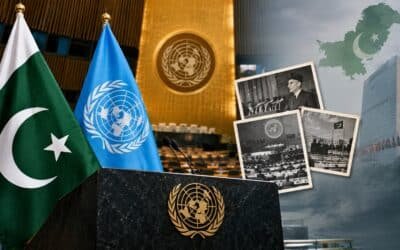
Pakistan joined the United Nations on September 30, 1947. Since then, it has become one of the world’s most consistent and important contributors to UN peacekeeping efforts. Pakistan’s dedication to global peace aligns with its founding principles.
- Vast Contribution: Pakistan has participated in 46 United Nations peacekeeping missions in 29 countries worldwide. Over the decades, more than 230,000 Pakistani peacekeepers have proudly worn the blue helmet.
- Top Contributor: Pakistan consistently ranks among the top troop-contributing countries (TCCs) to UN peacekeeping efforts. Currently, it is the fifth-largest contributor of uniformed personnel, deploying over 2,800 military and police personnel to various peace operations. In the past, it has even been the most significant or second-largest contributor.
- Early Engagements: Pakistan’s first peacekeeping deployment was to the Congo in 1960. Since then, Pakistani forces have played crucial roles in some of the most challenging conflict zones in history, including Somalia, Sierra Leone, Liberia, Haiti, and the Balkans.
The UN’s Praise: What It Means
The praise from the United Nations for Pakistani peacekeepers is a direct acknowledgement of their professionalism, dedication, and vital role in maintaining global peace and security.
- Posthumous Honors: Annually, the UN honors peacekeepers who have made the ultimate sacrifice. On International Day of United Nations Peacekeepers (May 29), the UN regularly posthumously honors Pakistani peacekeepers. This is a solemn recognition of their ultimate sacrifice.
- Praise for Professionalism: Top UN officials have repeatedly praised the professionalism of Pakistani troops. For example, as the UN mission in the Democratic Republic of Congo (MONUSCO) drew to a close in 2025 after 20 years, UN officials highlighted the dedication and professionalism of Pakistani peacekeepers who served amid difficult challenges. Locals often express deep gratitude and sorrow when Pakistani contingents depart.
- Specific Achievements: In the DRC, Pakistani troops were involved in military operations aimed at protecting civilians. In 2017, they stopped a coalition of armed groups from taking over Uvira, and in 2018, they pushed back an offensive, protecting over 120,000 internally displaced persons (IDPs). Over the years, they protected millions of IDPs, many of whom formed camps around their bases.
The Inter-Services Public Relations (ISPR) highlighted this international trust when stating: “Professionalism of Pakistani Peacekeepers Acknowledged by Indian Force Commander”, underlining respect even from neighboring military observers.
#ISPR
Professionalism of Pakistani Peacekeepers Acknowledged by Indian Force CommanderIn the line with mandate assigned by UNSC, Pakistani peacekeepers are performing their duties for maintenance of peace and security in South Sudan. Pakistani blue helmets have undertaken… pic.twitter.com/jm8x1znPS0
— Pakistan Armed Forces News 🇵🇰 (@PakistanFauj) September 19, 2024
Boots on the Ground: Global Reach
Pakistani peacekeepers serve in some of the world’s most perilous and challenging environments. Their presence provides a tangible link to peace in conflict-affected regions.
- Current Deployments: Pakistan currently deploys personnel to UN peace operations in Abyei, the Central African Republic, the Democratic Republic of the Congo, Cyprus, Somalia, South Sudan, and Western Sahara.
- Diverse Roles: Their contributions go beyond combat roles. Pakistani peacekeepers engage in various activities, including:
- Maintaining peace and security.
- Protecting civilians.
- Mediating disputes and assisting in political processes.
- Supporting disarmament and demobilization of former combatants.
- Delivering humanitarian aid, providing medical assistance, renovating schools, and supplying clean drinking water.
- Organizing vocational training programs for local youth in various skills.
- Conducting fair elections and supporting the rule of law.
- Clearing landmines.
For a powerful view of Pakistani peacekeepers in action—from flood relief to civilian protection—watch this official UN video:
Heroism and Sacrifice
The “blue helmets” from Pakistan serve at great personal risk. The ultimate sacrifice made by Pakistani peacekeepers is a testament to their unwavering commitment to global peace.
- Martyrs of Peace: Since 1948, 168 Pakistani UN peacekeepers have been killed in the line of duty. This makes Pakistan one of the highest contributors to UN peacekeeping casualties globally.
- Significant Losses: One of the most considerable losses occurred on June 5, 1993, in Mogadishu, Somalia, where 24 Pakistani peacekeepers were martyred during a rescue operation.
- Dag Hammarskjöld Medal: 97 Pakistani peacekeepers have received the Dag Hammarskjöld Medal, the highest UN honor for those who die in service.
- Acts of Bravery: Beyond Statistics, Countless Individual Acts of Courage Go Unrecorded. Pakistani troops have been lauded for their competence and impartial professionalism in war zones like Bosnia-Herzegovina. They have often gone above and beyond, even sharing their rations with starving populations.
Why This Global Respect Matters to Pakistan
The UN’s praise and Pakistan’s consistent contributions to peacekeeping are deeply significant for the nation:
- Enhanced International Image: It helps counter negative narratives and portrays Pakistan as a responsible, peace-loving nation dedicated to international stability. It challenges the perception of Pakistan as solely a “haven for terrorism”.
- Diplomatic Influence: Pakistan’s role as a major TCC confers significant diplomatic weight on it at the UN and other international forums. This helps Pakistan’s voice be heard on global matters, ranging from human rights to the Sustainable Development Goals.
- Soft Power Projection: The compassion, discipline, and professionalism of Pakistani peacekeepers serve as a powerful form of soft power, winning the hearts and minds of local populations in conflict zones.
- Training and Capacity Building: Participation in UN missions provides invaluable training and experience for Pakistani military and police personnel, enhancing their skills and capabilities. Pakistan also assists other nations in developing their peacekeeping training capacities.
- Financial Reimbursement: Troop-contributing countries receive financial reimbursement from the UN, which provides some economic benefit.
Challenges and Commitment
Despite recent successes, UN peacekeeping missions face new and complex challenges, such as increased attacks, the use of advanced technology by hostile groups, and underfunding. Pakistani peacekeepers now confront both conventional and asymmetric threats. Nevertheless, Pakistan remains committed to strengthening and improving the effectiveness of these operations. The inclusion of women officers in peacekeeping missions (around 15%) also demonstrates Pakistan’s dedication to modern peacekeeping principles.
Conclusion
The praise from the United Nations for Pakistan’s peacekeepers is a strong testament to their lasting legacy of service and sacrifice. Their presence “on the ground” in conflict zones around the world, their acts of heroism, and their dedication to humanitarian efforts have earned Pakistan great global respect. This recognition is not just a badge of honor; it significantly improves Pakistan’s international image, boosts its diplomatic influence, and affirms its vital role as a nation committed to global peace and security. As the world faces new threats, Pakistan’s unwavering dedication to UN peacekeeping continues to be a source of national pride and international cooperation.