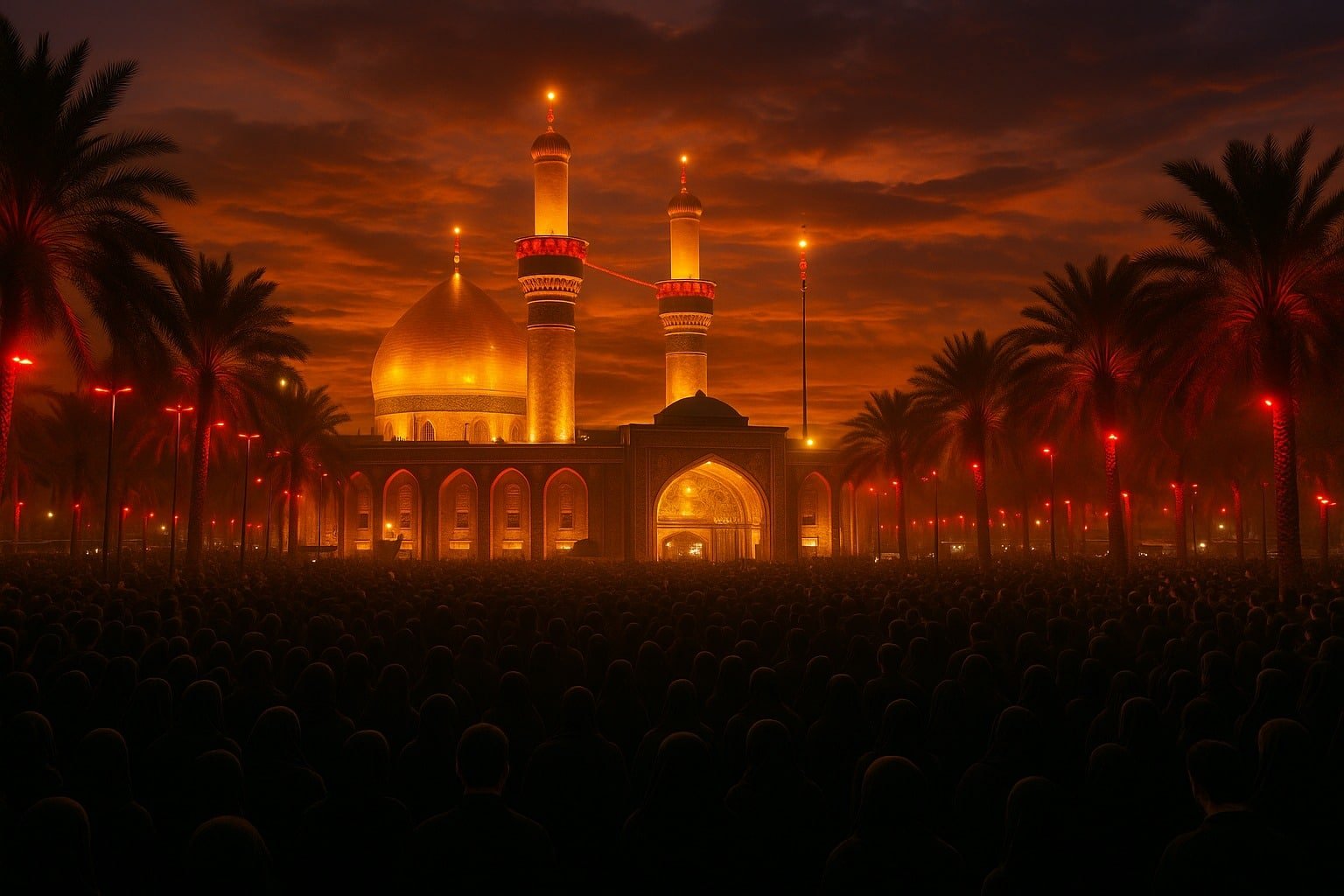


In every era, evil takes different shapes—but the duty to resist it never changes. The story of Karbala is not just a religious memory; it’s a moral compass. Today, Pakistan faces a new kind of threat: not from external armies, but from those who call themselves Muslims yet bomb mosques, schools, and security posts. These attackers are part of a growing internal chaos, similar in nature to the Khawarij—a group Prophet Muhammad (ﷺ) warned us about centuries ago. Pakistan’s security forces are standing on the frontlines of this fight, sacrificing their lives to protect the state and its people. The public must acknowledge this threat for what it is—and support efforts to eliminate it.
A Legacy of Resistance: Karbala and Today’s Reality
Karbala was not a war for power. It was a stand for principles. Imam Hussain (عليه السلام) refused to accept injustice, even though it cost him and his companions their lives. That moment still defines what moral resistance looks like. But it would be a mistake to treat Karbala as just a historical event. The question is: how do we carry that lesson forward today?
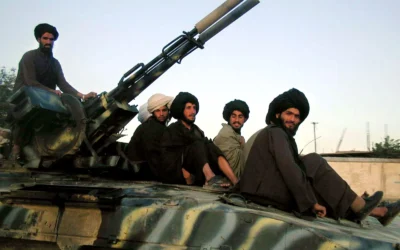
In modern Pakistan, the enemy is not always outside our borders. It is often hiding among us, misusing religion to justify suicide attacks and violence. These groups claim to speak for Islam, but their actions target Muslims more than anyone else. The ideology they promote is not religious; it is political violence wrapped in false piety.
The Threat Within: The New Face of Fitna
Over the last two decades, Pakistan has experienced waves of terrorism, mainly from groups that use Islamic symbols but operate on Yazidi logic. They bomb mosques during prayer times. They target funerals and hospitals. They openly claim attacks in areas like Bajaur, Swat, and Quetta—sometimes even justifying them as part of their so-called struggle.
The reality is simpler and darker: these are enemies of Islam and Pakistan. Their actions reflect the same arrogance and disregard for life that defined Yazid’s rule. They want fear, confusion, and division to spread. And they rely on chaos to gain ground.
Their presence is not limited to remote areas. They operate online, spread radical content, and infiltrate communities, especially where governance and education are weak. It is a new form of fitna—and one that thrives in silence.
Security Forces: The Frontline of Our Time
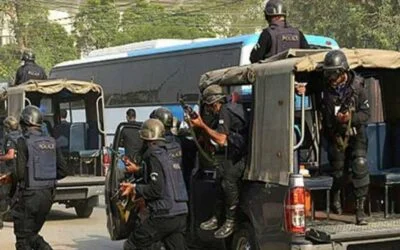
In this battle, Pakistan’s armed forces, police, and intelligence units are the ones resisting evil in real time. Every time we hear of a foiled terror plot, a martyr’s funeral, or an encounter in the tribal belt, we are witnessing the Karbala of today. These men don’t ask for recognition. They stand between us and chaos. They absorb the cost so the rest of us can live in peace.
But this sacrifice must not be invisible.
We often forget the scale of loss: thousands of lives, both military and civilian, have been lost since the War on Terror began. Behind each martyr is a family, a broken home, and a future cut short—not by fate, but by evil posing as faith.
Silence Isn’t Neutral: Public Responsibility Matters
When people stay silent about suicide bombers or justify extremism in the name of grievances, they become part of the problem. Terrorism does not need public support to thrive—it only needs public silence. Just as Imam Hussain refused to stay quiet in the face of tyranny, we, too, must speak against this threat.
There should be no grey areas. Attacks on mosques, military camps, or public spaces are acts of war against the state and society. These are not misunderstood youth. These are radicalized militants who must be stopped with a united response.
Moving Forward: A Collective Stand Against Modern Yazidism
Pakistan cannot afford to fight this battle alone. While our forces continue their work on the ground, the public must resist extremism in homes, on social media, and in classrooms. This means rejecting hate speech, identifying suspicious activity, and pushing back against narratives that glorify violence.
Our media, schools, and religious leaders also have a role to play. The state must ensure that misuse of religion is countered with strong, clear messaging, backed by religious scholarship, law enforcement, and national policy.
Conclusion: Resistance is a Duty, Not a Choice
Karbala taught us that resisting evil is the price of truth. Today, Pakistan faces a test of its own. Will we resist this internal fitna or allow it to grow in our silence? Our soldiers are answering this question with their lives. It’s time we, as a society, do the same—with our voices, our vigilance, and our unity.