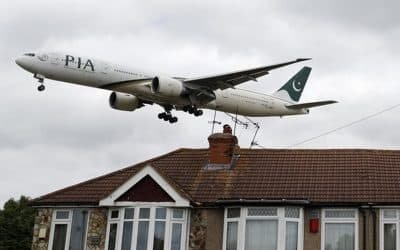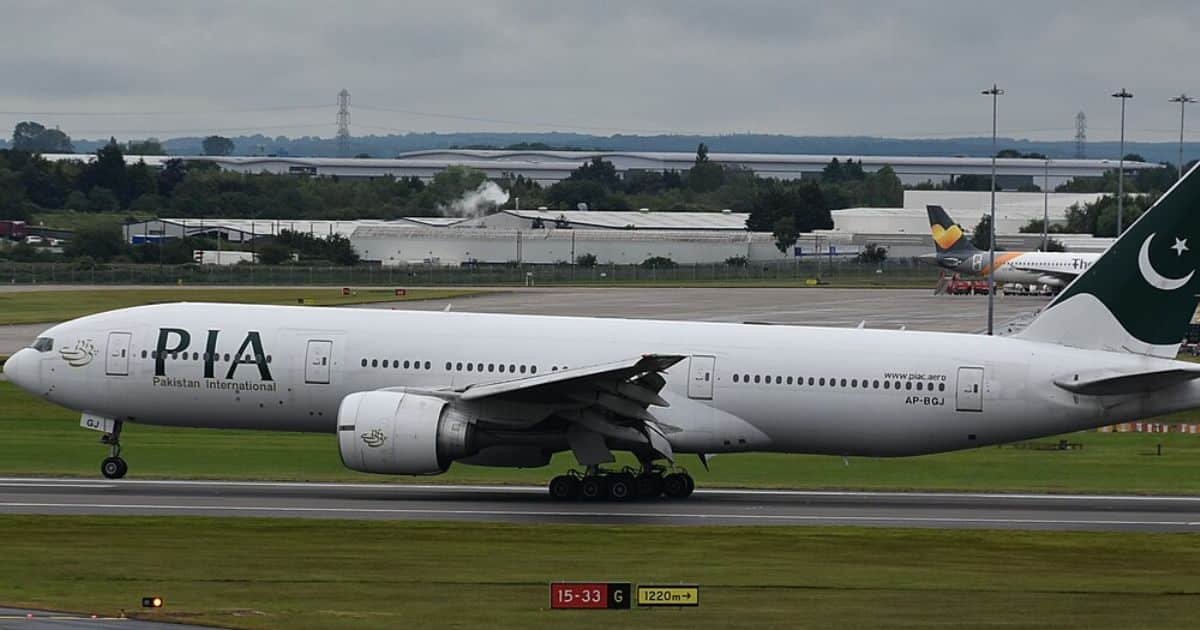



RAWALPINDI – A strike by Pakistan International Airlines (PIA) engineers late Monday night disrupted operations at major airports, leaving hundreds of passengers — including Umrah pilgrims — stranded as several flights bound for Saudi Arabia were delayed.
According to aviation sources, at least six PIA flights from Islamabad, Lahore, and Karachi were affected after aircraft engineers halted work to press for salary increases and other demands. Similar disruptions have occurred repeatedly over the past two months as negotiations between engineers and management remain deadlocked.
Passengers waiting for hours at departure lounges expressed frustration over the uncertainty, with some reporting that they had not been informed of new departure times. “We’ve been waiting since evening with no updates,” said a passenger at Islamabad airport.
According to sources, hundreds of Umrah pilgrims were stranded at the Islamabad, Lahore and Karachi airports due to the delay in PIA flights scheduled for Saudi Arabia.https://t.co/dr4ghu5KIi
— Dawn.com (@dawn_com) November 4, 2025
A PIA spokesperson downplayed the legitimacy of the protest, claiming the “Society of Aircraft Engineers” organizing the strike had no legal standing. The spokesperson alleged that the action was intended to “sabotage” the airline’s ongoing privatisation process, which is nearing completion.
He further warned that the Essential Services Act — currently applicable to PIA operations — prohibits such strikes, making any work stoppage a legal offence. “All individuals involved in or supporting this unlawful activity will face legal consequences,” the spokesperson said.
You May Also Like: President Zardari to Visit Qatar for World Summit on Social Development
To minimize disruption, PIA management said it had begun arranging alternative maintenance support from other airlines to restore flight operations as soon as possible.
The latest work stoppage adds to mounting operational challenges for the national carrier, which is already under pressure from financial constraints and the ongoing restructuring linked to its privatisation.
Check out our latest video: