


In a profound cultural moment for East Asia, the National Museum of Korea (NMK) has officially unveiled its first-ever dedicated Islamic Art Gallery. The exhibition, titled “Treasures of Splendour: 1,400 Years of Islamic Art,” is the result of a landmark collaboration with the renowned Museum of Islamic Art (MIA) in Doha, Qatar.
This opening is a strategic move to build cultural bridges, using art to introduce Korean audiences to the vast, diverse, and often-misunderstood heritage of a civilization that spanned three continents and 14 centuries.
The Architecture of Immersion: More Than a Gallery
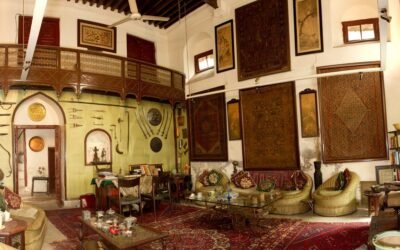
The exhibition, which runs until October 2026, is designed to be an immersive, emotional experience. NMK curators meticulously structured the octagonal gallery space to deliberately evoke the atmosphere of a sacred and tranquil place. Subtle lighting, geometric patterns filtering the light, and a serene ambiance create a feeling of quiet contemplation, mirroring the architecture of the Islamic world. A central focus is given to the marble Mihrab stone panel and intricate prayer carpets, immediately establishing the spiritual foundation of the art form.

A room in the National Museum of Korea’s newest wing dedicated to Islamic Art.
Source: Korea.net
The Collection: Where Science Meets Soul
The collection features over 80 masterpieces on loan from Doha, providing a comprehensive look at the depth of Islamic artistic innovation from the 7th to the 20th century. The artifacts showcase the powerful integration of spiritual focus with scientific ingenuity.
Dominating the collection is the demonstration of calligraphy as a supreme art form. Visitors can view a massive Baisongur Quran Folio, which illustrates the authoritative power and complexity required for transcribing sacred texts. This spiritual anchor is complemented by objects of immense luxury, such as a breathtaking 17th-century Safavid Throne Carpet from Persia, which is celebrated for its geometric complexity and deep symbolism of imperial authority.
Furthermore, the exhibition highlights Islamic contributions to science. Objects like Astrolabes and Celestial Globes are on display, demonstrating the pivotal role the Islamic world played in advancing astronomy, mathematics, and navigation during the Middle Ages.
The National Museum of Korea, the country’s flagship museum, opened its first dedicated Islamic Art Gallery on Friday.
MORE: https://t.co/hAylY0Fa6I pic.twitter.com/nKwxXCqFi5
— The Korea Times (@koreatimescokr) November 21, 2025
A Step Toward Global Understanding
The exhibition is considered a powerful statement in cultural diplomacy. By placing Islamic history and aesthetics at the heart of South Korea’s national museum, officials hope the long-term exhibit will foster mutual understanding and help audiences move past political or cultural preconceptions. The journey culminates in a media art recreation of a “Damascus Noble’s Reception Room,” shifting the focus from historical artifact to the elegance and serenity of daily life, cementing the gallery as a permanent and vital cultural bridge.

Marble art piece depicting the names of Islamic Holy figures.
Source: The Korea Times