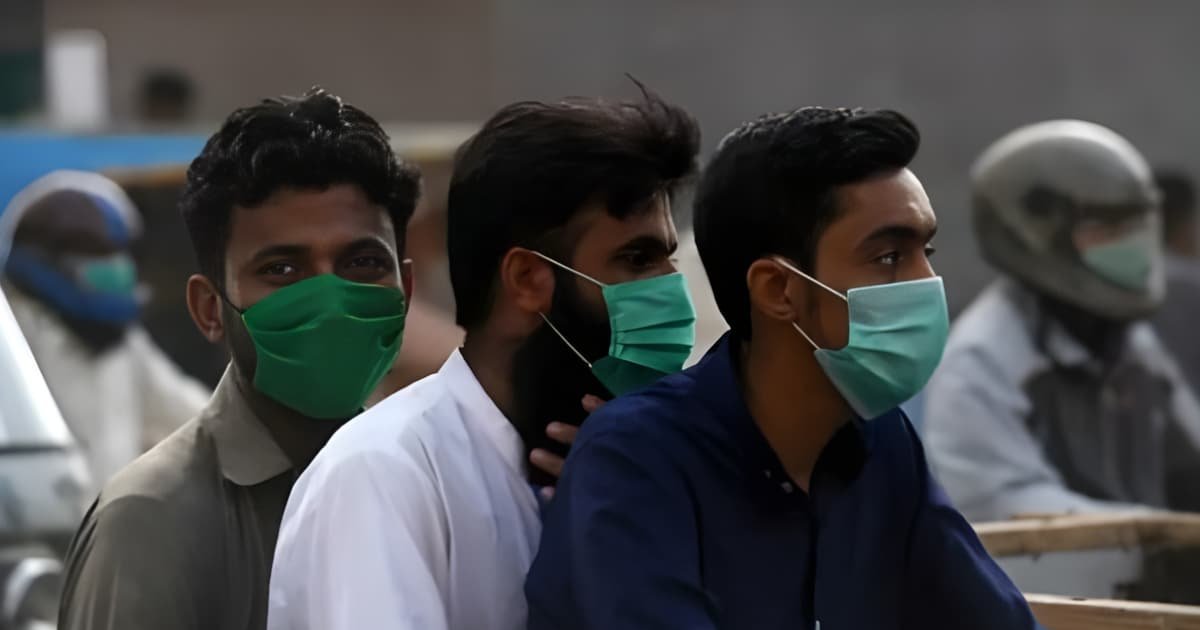





As several European countries, particularly the United Kingdom, report a surge in what has been dubbed the “super flu,” health experts in Pakistan say the situation requires vigilance but does not call for panic. The increase in cases is being driven primarily by influenza A(H3N2) and an emerging variant known as subclade K, according to the World Health Organization (WHO).
The WHO has noted a global rise in influenza activity in recent months, with some countries experiencing an earlier-than-usual seasonal increase. Subclade K is a drifted form of H3N2, carrying multiple genetic changes. However, current data do not indicate that it causes more severe illness than previous strains. Health authorities stress that vaccination remains one of the most effective tools to reduce severe disease and hospitalisation, especially among high-risk groups.
Experts say Pakistan’s situation differs from Europe due to demographic and seasonal factors. While flu transmission is currently at its peak, specialists believe the overall impact is likely to remain manageable. Former Punjab health minister and Chairman of the Pakistan Society of Internal Medicine, Dr Javed Akram, said mutations can increase risks for vulnerable groups but emphasised that severe outcomes are more likely when influenza progresses to pneumonia. He advised timely vaccination, particularly before winter, noting that vaccines reduce the risk of infection by around 70 per cent.
You May Also Like: Health Minister Launches Final Nationwide Polio Campaign of 2025, Reports Significant Decline in Cases
Dr Rana Safdar, an expert in emerging infectious diseases, confirmed that the H3N2 subclade K detected in Europe is also present in Pakistan. He said that although the strain differs antigenically from the one selected for the 2025–26 vaccine, immunisation still lowers the risk of severe illness. He also warned that dense winter fog and crowding could facilitate transmission and urged adherence to preventive measures such as mask use, hand hygiene and avoiding unnecessary antibiotics.
Microbiologist Professor Javaid Usman cautioned that flu diagnosis based solely on symptoms is difficult due to the circulation of multiple respiratory viruses, including RSV and Covid-19. He said the optimal period for vaccination is early autumn, allowing sufficient time for immunity to develop.
In Islamabad, former Punjab health minister and International Advisor for the Royal College of London, Dr Javed Akram, told Dawn that the virus has undergone mutation, which can increase risk in vulnerable groups.https://t.co/PmpPlUKXUh
— Dawn.com (@dawn_com) December 13, 2025
At the National Institutes of Health, Chief of Public Health Laboratories Dr Muhammad Salman said seasonal influenza is widespread in Pakistan, advising annual vaccination for older adults and immunocompromised individuals.
In Punjab, doctors report a sharp rise in flu cases across major cities, though no deaths linked specifically to the new variant have been recorded. Children are believed to be key transmitters within households. Physicians continue to recommend vaccination, basic preventive practices and targeted antiviral treatment for high-risk patients, reiterating that the current surge calls for awareness rather than alarm.