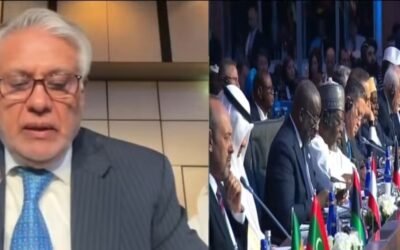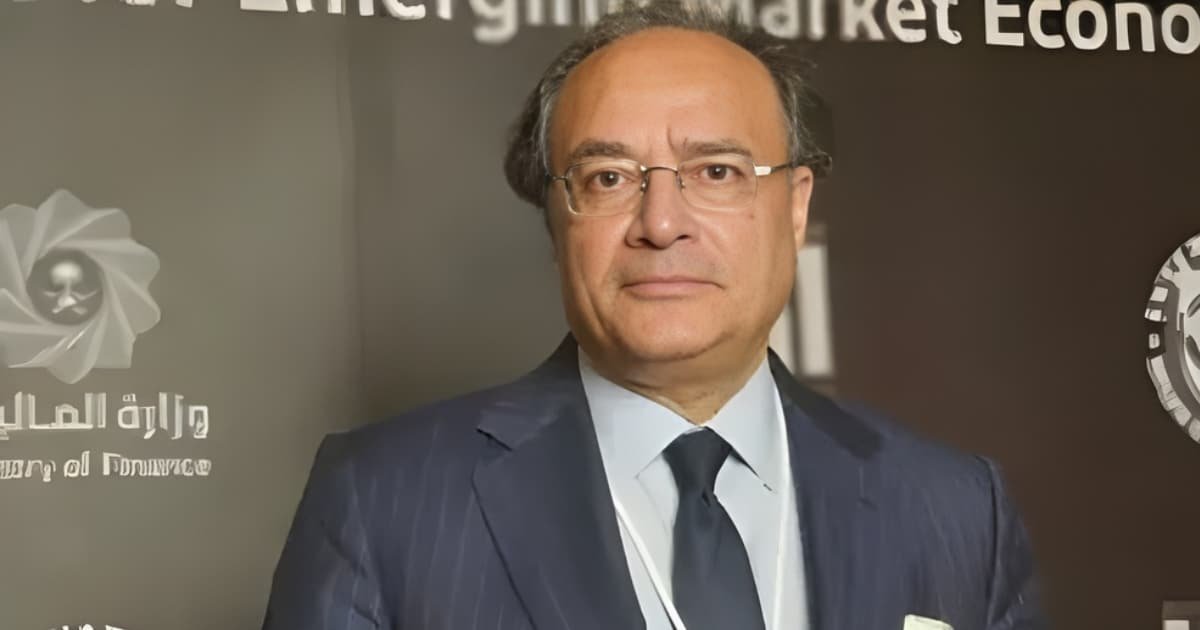
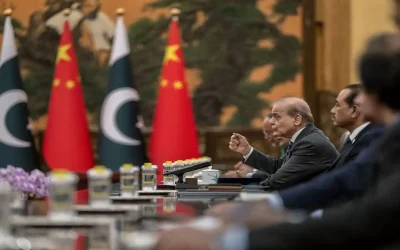
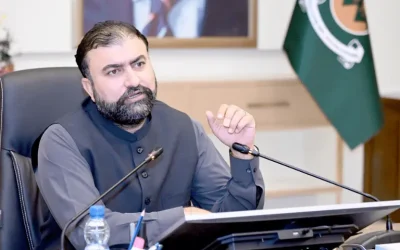



ISLAMABAD, December 25, 2025 – Finance Minister Muhammad Aurangzeb announced on Wednesday that Pakistan stands at a crucial turning point, with restored macroeconomic stability and consistent reforms guiding the nation toward sustainable, export-led growth. In an interview with USA Today, Aurangzeb highlighted how these efforts are rebuilding confidence among investors and creating fresh opportunities in vital sectors.
Strong remittance flows, declining inflation, and stronger reserves have provided the base for this shift, while ongoing structural changes focus on boosting productivity and global competitiveness.
Pakistan economy shifting towards export-led growth: Aurangzeb
Read More : https://t.co/9tGZIo47ke#ARYNews pic.twitter.com/AGO8QY8yL6
— ARY NEWS (@ARYNEWSOFFICIAL) December 24, 2025
Key Highlights
- First primary fiscal surplus and current account surplus achieved in years
- Inflation reduced from 38 percent peak to single digits
- Foreign exchange reserves climbed above $14.5 billion, offering over two-and-a-half months of import cover
- Deliberate move away from consumption- and debt-driven model
- Focus sectors: IT services, textiles, agriculture, minerals, technology, and climate resilience
- Reforms cover taxation, energy pricing, state-owned enterprises privatization, and tariff liberalization
- Ten-year Country Partnership Framework with World Bank emphasizes reforms alongside climate and population challenges
Foundations of the Economic Turnaround
Aurangzeb explained that stable exchange rates and robust inflows from overseas Pakistanis played key roles in the recovery. Although last year’s 2.7 percent growth was a step forward, he noted it remains inadequate for the country’s young and expanding population – making the export-oriented strategy essential.
Current budget measures include simpler tax rules for exporters, fewer administrative barriers, and tariff reforms to end long-standing protectionism. These align Pakistan with rising global demand in information technology, textiles, and agriculture.
Broader Reforms and Long-Term Vision
The minister described privatization, energy sector restructuring, and tariff changes as targeted solutions to chronic inefficiencies that once burdened public resources.
These steps fit a larger vision – one the World Bank has called Pakistan’s potential “East Asia moment.” The new decade-long partnership with the Bank also prioritizes climate resilience and better population management.
Aurangzeb stressed the need to confront deeper challenges: rapid population growth, climate risks, child stunting, learning gaps, and limited access to education for girls. Greater female participation in education and work, he said, is both a moral duty and an economic requirement.
Pakistan continues to work with multilateral partners to prepare for recurring floods and droughts.
Investment Opportunities Ahead
Looking to global partners, Aurangzeb pointed to untapped potential in agriculture, critical minerals – including the Tethyan Copper Belt in Balochistan – and the fast-growing digital economy, from data centers to artificial intelligence.
Regulatory updates are in progress to ease innovation and attract foreign investment, especially from the United States, where technology can serve as a transformative force.
You May Like To Read: Eleven more trains to be outsourced, says Hanif Abbasi
In closing, the finance minister extended an open invitation for trade, investment, and cooperation. With steady reforms and abundant resources, Pakistan is moving beyond crisis management toward a future of opportunity and lasting progress for all who choose to engage.
Check out our latest video:
https://youtu.be/bkt3vu9CctE?si=jpMG-vUwHt7dW9Qw