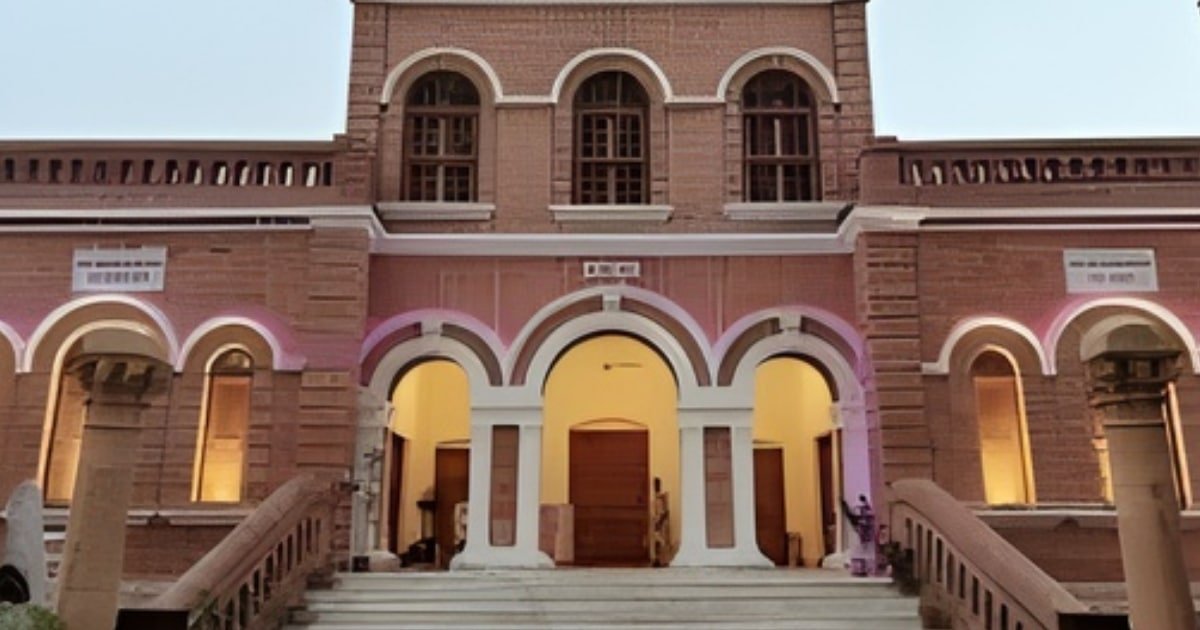
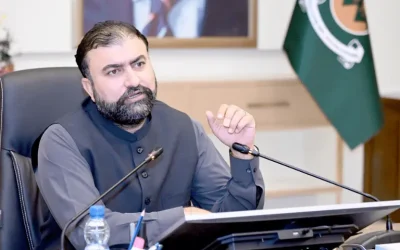


While the modern indie scene was buzzing in Lahore, a different kind of “soulful” gathering took place at the Besant Hall Cultural Centre in Hyderabad. The event, titled “Vanishing Indus Civilization and its impact on the environment and heritage of Sindh,” was a profound academic and artistic exploration of a looming ecological crisis: the gradual drying of the mighty Indus.
Organized by the Besant Hall Cultural Centre, the evening was far from a dry seminar. It was a sensory journey that combined historical scholarship with the raw emotional power of Sindhi folk music. The session opened with a moving performance by folk singers who rendered verses from Shah Abdul Latif Bhittai’s ‘Sur Samoondi’. Their voices invoked the Indus not just as a body of water, but as a spiritual and cultural lifeline that has defined the regional consciousness for millennia.
The Scholar’s Perspective
The conference featured a formidable panel of intellectuals who painted a stark picture of the river’s decline. Renowned traveler and historian Salman Rashid spoke of the Indus as an ancient “information highway,” a trade and cultural corridor that birthed one of the world’s greatest civilizations.
Visual anthropologist Atta Chanhiyo traced the river’s shifting path, specifically the ancient Dhoro Naro flow, and explained how these geological changes have historically triggered mass migrations and reshaped human identity.
Marine researcher Amer Bazl Khan delivered a sobering update on the Indus Delta, highlighting how the lack of freshwater is causing seawater to swallow coastal lands, destroying mangroves and the livelihoods of fishing communities.
A Living Heritage
Director of Besant Hall, Sobhia Ali, concluded the session by emphasizing that the Indus is a “living heritage,” not a relic of the past. The goal of the night was to stir a sense of collective responsibility among the youth to protect the river that “shaped Sindh’s soul.”
As the event closed, the audience was left with a haunting realization: if the river vanishes, so does the culture built on its banks. It was a powerful reminder that in 2026, the most important “vibe” to check is the health of our natural world.
Check out our latest video: