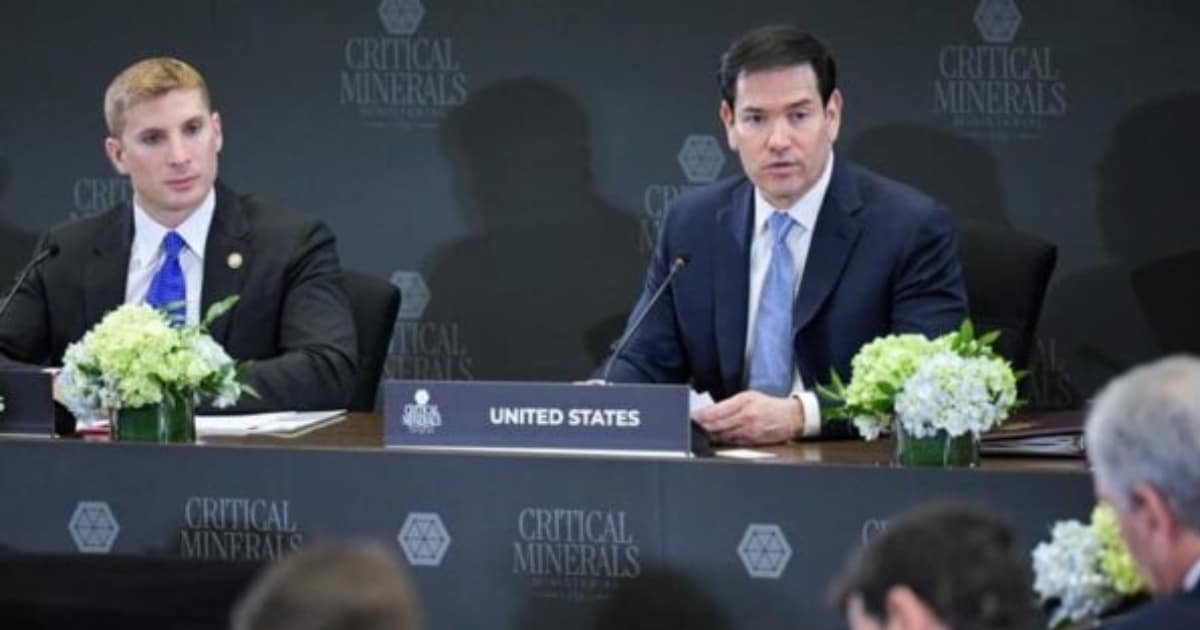



WASHINGTON / ISLAMABAD — In a move designed to reshape the global energy transition, the United States has proposed a preferential trading arrangement and price floors for critical minerals. The plan, unveiled by Vice President J.D. Vance at a 50-nation ministerial on February 4, 2026, aims to protect Western manufacturers from “predatory pricing” and market manipulation by China.
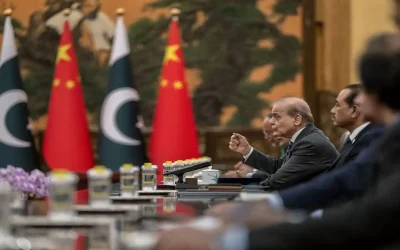
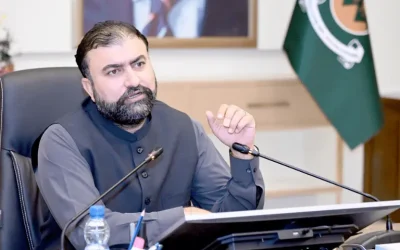
Pakistan, represented by Energy Minister Ali Pervaiz Malik, has maintained a “cautious and calibrated” stance, choosing to showcase its mineral wealth while avoiding a formal signature on the US-led trading bloc.
The US Strategy: “Pax Silica”
The Trump administration is shifting from Biden-era grants to “state-capitalist” tools to secure supply chains for rare earths, lithium, and copper.
- The “Price Floor”: Washington proposes reference prices for minerals. If global prices (often driven down by Chinese oversupply) fall below this floor, adjustable tariffs would be triggered for members of the “preferential zone.”
- Section 232 Action: The administration has initiated a 180-day negotiation window with allies. Failure to reach “satisfactory” agreements on mineral imports may result in universal tariffs on processed minerals.
- Project Vault: A landmark $10 billion strategic reserve for critical minerals has been established via the US EXIM Bank to shield domestic industry from supply shocks.
Pakistan’s “Treading the Needle” Diplomacy
Pakistan sits on an estimated $6 trillion of untapped mineral wealth, including the Reko Diq copper-gold project. Islamabad is currently balancing two superpowers:
- The US Partnership: * Pakistan has already signed $500 million in MoUs with US partners (notably US Strategic Metals) for rare earth processing.
- The first shipment of rare earths from Pakistan to the US was sent in October 2025, marking a historic breakthrough in supply chain security.
- The China Partnership: * Just days ago (Jan 28, 2026), Pakistan launched the “Pak-China E-Mining Platform” to deepen cooperation under CPEC Phase II.
- China remains Pakistan’s primary partner in nationwide geochemical sampling and exploration infrastructure.
JD Vance just infuriated our adversaries by declaring America will SURGE critical mineral supply chain so we don’t rely on China This is EXACTLY what I voted for! 🇺🇸 pic.twitter.com/hFzV4ucYII
— Evelynn🇺🇸🦅 (@Evelynn1890) February 4, 2026
PMIF 2026 (Islamabad)
Pakistan is positioning itself as a “Global Crossroads” by inviting both the US and China to its own flagship event.
- Event: Pakistan Minerals Investment Forum (PMIF) 2026
- Dates: April 8–9, 2026
- Venue: Jinnah Convention Centre, Islamabad
- Objective: Unlock $6–8 billion in annual export potential by transitioning from raw extraction to domestic smelting and refining.
The Critical Mineral Landscape (2026)
| Feature | US “Preferential Zone” | China “CPEC” Model |
| Main Mechanism | Price Floors & Tariffs | Infrastructure & E-Mining |
| Key Partners | EU, Japan, Australia, Mexico | Pakistan, SE Asia, Africa |
| Financing | $10B Project Vault (EXIM) | Belt and Road Initiative (BRI) |
“Pakistan’s mineral exports have the potential to reach $8 billion within this decade. Transformation cannot happen without strategic partners, and both the US and China are central to this regard.” > — Ahsan Iqbal, Minister for Planning
The “Project Vault” funding is expected to be allocated to international projects by mid-2026.
You May Also Like: Pakistan Joins US-Led Global Critical Minerals Alliance
Check out our latest video: