


The return of the Taliban in Afghanistan after the U.S. withdrawal in 2021 has deeply affected Pakistan’s security, politics, and regional relations. As a neighbouring country, Pakistan has always been closely connected to events in Afghanistan. However, the situation has now become more challenging than ever.
Pakistan is confronting a new surge of militant violence, increasing tensions on its western border, and a humanitarian crisis resulting from the significant movement of Afghan refugees. Simultaneously, relations with neighbouring countries such as India, Iran, and China are also being impacted by this evolving situation.
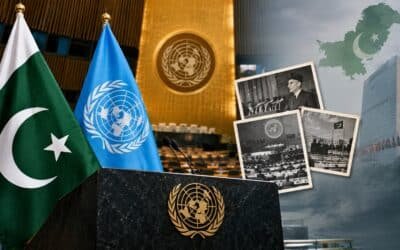
Pakistan and Afghanistan share more than just a border. The two nations are connected through religion, culture, language, and history. Nevertheless, their political relationship has always been tense. Since 1947, when Pakistan gained independence, Afghanistan has frequently adopted an unfriendly stance. It was the only country to oppose Pakistan’s membership in the United Nations.
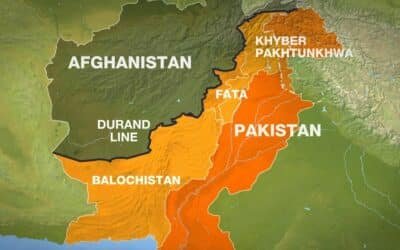
A major issue between the two nations has been the Durand Line — the border set during British rule. Afghanistan has never officially recognised it, resulting in ongoing disputes. Over the years, trust has stayed low, and both sides have accused each other of backink militants.
Despite these issues, Pakistan has supported Afghanistan during difficult times, providing aid and assisting with peace efforts. Some believed that the Taliban’s return in 2021 would strengthen relations. However, things have become more complicated.
Rise of the Fitna Al Khwarij (FAK)
One of Pakistan’s primary concerns since the Taliban took control of Afghanistan is the rise of the FAK, a militant group responsible for many deadly attacks in Pakistan. The group has found sanctuary in Afghanistan, and its fighters have become more daring. They have launched attacks from Afghan territory into Pakistani areas, especially along the border regions.
This has resulted in a sharp rise in militant violence in provinces like Khyber Pakhtunkhwa and Balochistan. Civilians and security forces have been targeted, and the Pakistani government now regards the FAK as a significant threat to national security.
Pakistan’s border with Afghanistan has become increasingly tense. Armed clashes, cross-border shelling, and militant movement across the border have become common. Pakistan has attempted to secure its border by constructing a fence and augmenting its military presence. However, these steps have not been enough to stop the violence.
Pakistan has also asked the Taliban government to take action against the FAK, but so far, there has been little cooperation. This has further strained relations between the two countries.
Afghan Refugees and a Growing Humanitarian Crisis
Pakistan has hosted Afghan refugees for decades, especially during times of war and crisis in Afghanistan. Today, there are still millions of Afghan refugees in Pakistan. After the Taliban returned to power, thousands more crossed into Pakistan, hoping to find safety and work.
However, the situation has become overwhelming. With rising inflation, unemployment, and security threats, Pakistan began cracking down on undocumented Afghan refugees in 2023. Thousands have been deported, and many others now live in fear of being forced to leave.
This mass deportation has raised human rights concerns. Many refugees have lived in Pakistan for years and have built lives there. Forcing them out has caused severe suffering and worsened the humanitarian situation.
Pakistan’s early hope that the Taliban would be a cooperative neighbour has faded. Disagreements over the FAK, border control, and refugee issues have widened the gap between the two governments. Pakistan wants the Taliban to crack down on militants using Afghan territory to attack Pakistan. But the Taliban have not taken decisive action, either due to ideological sympathy or lack of control over these groups.
This lack of cooperation has hurt Pakistan’s efforts to bring peace and stability to the region. It has also made regional diplomacy more difficult.
Regional and Global Impacts
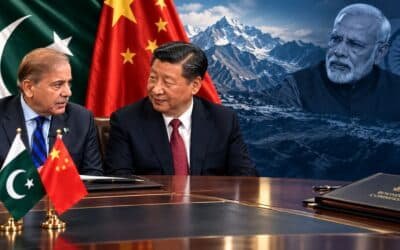
The instability in Afghanistan is not just a problem for Pakistan. It affects the entire region, including India, China, and Iran. For example:
- India is watching closely, interested and invested in terrorism in Pakistan and its strategic interests.
- China is concerned about the security of its investments in Pakistan and Afghanistan.
- Iran has its own border and refugee issues with Afghanistan.
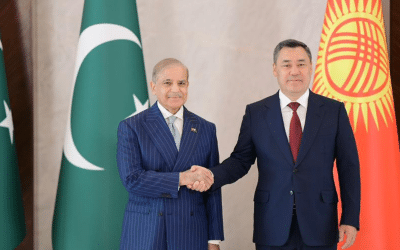
Pakistan is trying to engage all these countries in diplomatic talks to find common ground and solutions. But deep mistrust and different national interests often get in the way.
Pakistan now faces a complex mix of security, political, and humanitarian challenges. To move forward, it needs a balanced strategy:
- Strengthen border security.
- Work on diplomatic solutions with the Taliban and other regional players.
- Ensure a safe and smooth journey for Afghan refugees returning home while controlling undocumented migration.
- Lobby international backing for managing both security threats and refugee needs.
In short, Pakistan’s future security and regional influence hinge on its ability to manage these overlapping challenges — and whether the region can unite to promote peace and stability.