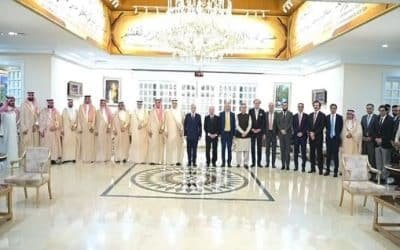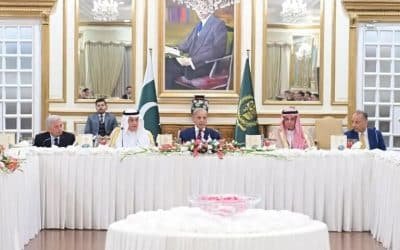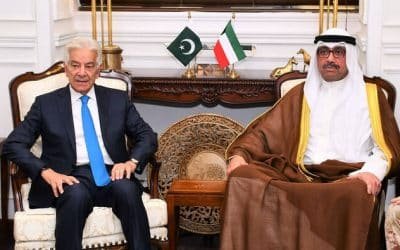



ISTANBUL / MUSCAT / BERLIN — Diplomatic efforts reached a fever pitch on Friday, February 6, 2026, as high-stakes nuclear talks between the United States and Iran officially commenced in Muscat, Oman. The meeting, described as a “last-chance” diplomatic track, follows months of military escalation, including the June 2025 strikes on Iranian nuclear sites and a massive U.S. military buildup in the Gulf.
Turkiye’s Mediation and the Venue Shift
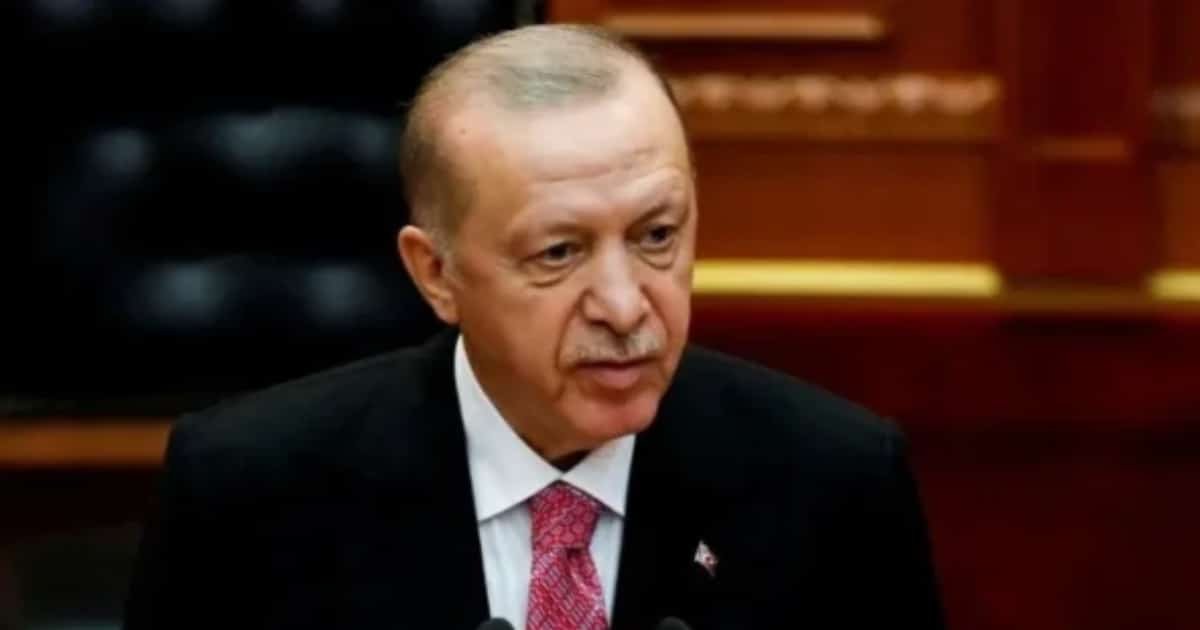
President Tayyip Erdogan confirmed that while Turkiye worked tirelessly to host the talks in Istanbul to prevent a regional conflagration, the venue was shifted to Muscat at Iran’s insistence.
- Presidential Engagement: Erdogan suggested that for real progress, talks must eventually move from the current envoy level to direct communication between President Donald Trump and the Iranian leadership.
- Regional Stability: Erdogan warned that the Middle East is on the brink of a “wider war” if the current disagreement over Tehran’s ballistic missile arsenal—which the U.S. wants included in the deal—is not resolved.
Chancellor Friedrich Merz’s Middle East Tour
German Chancellor Friedrich Merz, currently on a three-day Gulf tour, issued a stern warning to Tehran from Doha, Qatar.
- The German Stance: Merz demanded that Iran “truly enter talks” and completely halt its nuclear program. He noted that the “fear of military escalation” is at an all-time high among Gulf partners.
- Friction with Tehran: Merz dismissed recent attacks from Iranian Foreign Minister Abbas Araghchi—who labeled Germany an “engine of regression”—as signs of “great nervousness and insecurity” within the Iranian regime.
- Economic Diversification: Beyond diplomacy, Merz is in the region to secure energy and arms partnerships to reduce Germany’s 96% reliance on U.S. liquefied natural gas (LNG).
Germany was once the engine of Europe’s progress; now it has turned into an engine of regression.
Last September in New York, at Merz’s insistence, the E3 put an end to their role in nuclear negotiations by pursuing the return of UN sanctions on Iran. Now, Merz is begging to be… https://t.co/Stpjb9agnv
— Seyed Abbas Araghchi (@araghchi) February 5, 2026
The Muscat Negotiations: Key Players
The talks in Oman are being conducted via indirect and lower-level channels but feature high-profile representation:
| Delegation | Key Representatives |
| United States | Steve Witkoff (Special Envoy) and Jared Kushner (Senior Advisor) |
| Iran | Abbas Araghchi (Foreign Minister) and Majid Takht-Ravanchi |
| Mediator | The Sultanate of Oman (Omani Foreign Minister Busaidi) |
The “Red Lines” and Potential Consequences
The primary hurdle remains the scope of the agenda.
- Iran’s Position: Tehran maintains that the talks must be limited strictly to the nuclear program and the lifting of “snapback” UN sanctions triggered in late 2025.
- U.S. Position: Secretary of State Marco Rubio reaffirmed that any meaningful deal must include Iran’s missile range, its support for regional proxies (like the Houthis), and human rights issues following the January 2026 crackdown on protesters.
- Trump’s Warning: Speaking to NBC News, President Trump stated that Supreme Leader Ali Khamenei should be “very worried” and warned of “really bad things” if Iran attempts to build new nuclear sites in secret.
Market Impact
The commencement of the talks provided a brief relief to global energy markets. Oil prices fell more than 2% on Thursday, with Brent crude trading near $68.04, as investors hoped for a de-escalation that would secure the Strait of Hormuz shipping lanes.
You May Also Like: Google’s AI Rebound: From Laggard to Leader in the Gemini 3 Era
Check out our latest video: