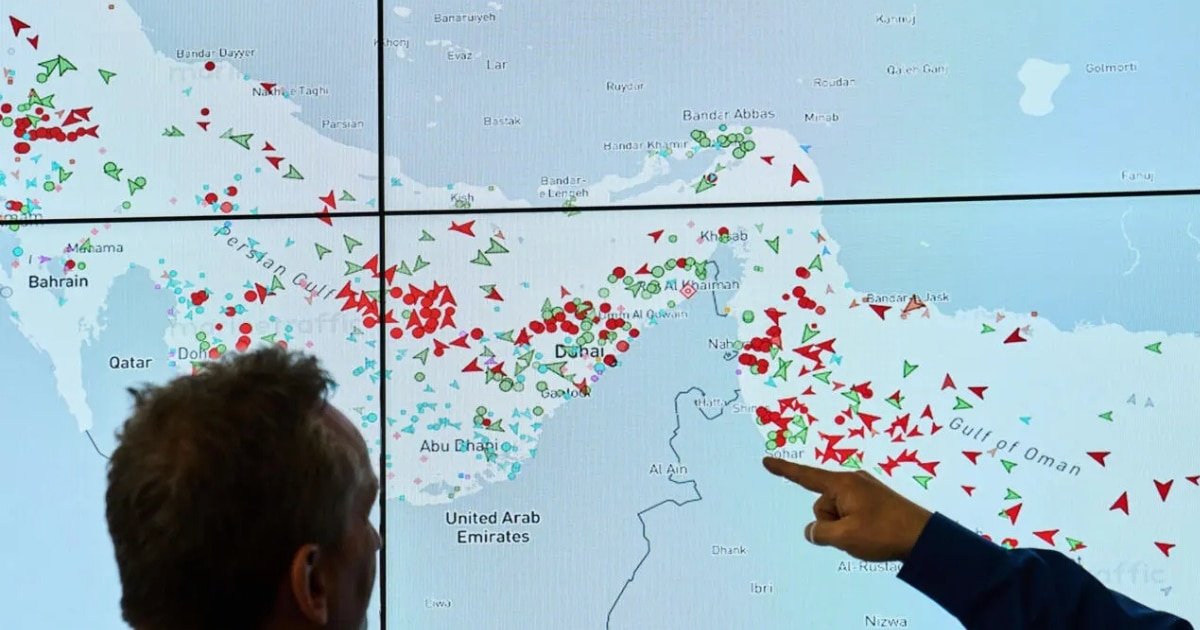


TEHRAN / WASHINGTON (April 17, 2026) — In a major breakthrough for global energy markets, Iranian Foreign Minister Abbas Araghchi announced on Friday that the Strait of Hormuz is now open to all commercial vessels. The announcement follows a newly brokered 10-day ceasefire between Lebanon and Israel, providing a critical window for global trade to resume through the world’s most vital oil artery.
In line with the ceasefire in Lebanon, the passage for all commercial vessels through Strait of Hormuz is declared completely open for the remaining period of ceasefire, on the coordinated route as already announced by Ports and Maritime Organisation of the Islamic Rep. of Iran.
— Seyed Abbas Araghchi (@araghchi) April 17, 2026
Key Highlights
- Oil prices plummeted by 9% following the news, easing fears of a global recession.
- Commercial ships may pass along routes specified by Iran’s Ports and Maritime Organisation.
- President Trump confirmed the Strait is “ready for business” but clarified that a US naval blockade on Iranian ports remains until a final nuclear “transaction” is complete.
- Trump has “prohibited” further Israeli bombing in Lebanon, stating “Enough is enough!!!”
- Iran has begun removing sea mines with technical assistance as part of the agreement.
Trump praises Pakistani leadership
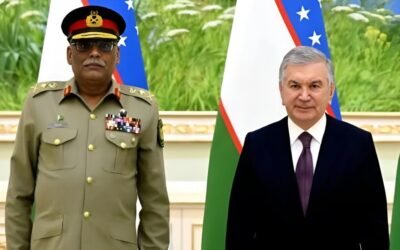
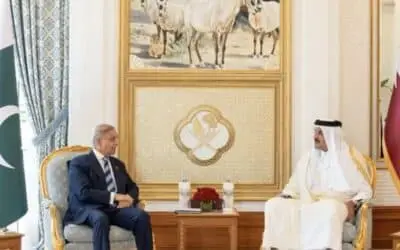
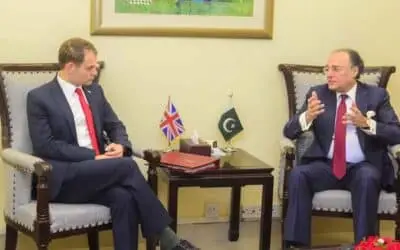
In a series of posts on Truth Social, President Donald Trump expressed his gratitude to the mediators who facilitated the de-escalation. He specifically extended thanks to Pakistan’s “great” Prime Minister Shehbaz Sharif and Field Marshal Asim Munir, describing them as “two fantastic people.” The President also credited Saudi Arabia, the UAE, and Qatar for their “great bravery and help” in navigating the crisis.
U.S. President Donald J. Trump thanks Pakistan and its Prime Minister Shehbaz Sharif, as well as Pakistani Army Chief Field Marshal Asim Munir, calling them “two fantastic people!!!” pic.twitter.com/miJVhLdOkb
— OSINTdefender (@sentdefender) April 17, 2026
The “No-Cash” Nuclear Deal
President Trump revealed that under the emerging framework, the United States expects to receive nuclear material from Iran. He emphasized a strict “no money” policy, stating that no cash would exchange hands in the deal. Furthermore, he claimed Iran has agreed to “never again” use the Strait of Hormuz as a weapon against the world, a concession that could fundamentally alter regional security dynamics.
Status of Islamabad talks
While Trump hinted that a second round of direct negotiations could happen as early as this weekend, officials in Islamabad suggest that the logistics of reassembling both delegations may push the start date further. Pakistan remains the primary venue for these talks, having hosted the first round of historic direct engagements between Washington and Tehran last week.
Global Economic Relief
The reopening comes just days after the IMF warned that the prolonged closure of the Strait—which handles 20% of the world’s oil and LNG—risked tipping the global economy into a deep recession. With the war-premium on crude oil fading, analysts expect a significant cooling of global inflationary pressures, providing much-needed breathing room for oil-importing nations like Pakistan.
You May Like To Read: PM Shehbaz and President Erdogan to hold high-level summit at Antalya Diplomacy Forum
Check out our latest video: