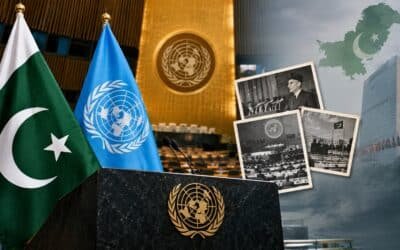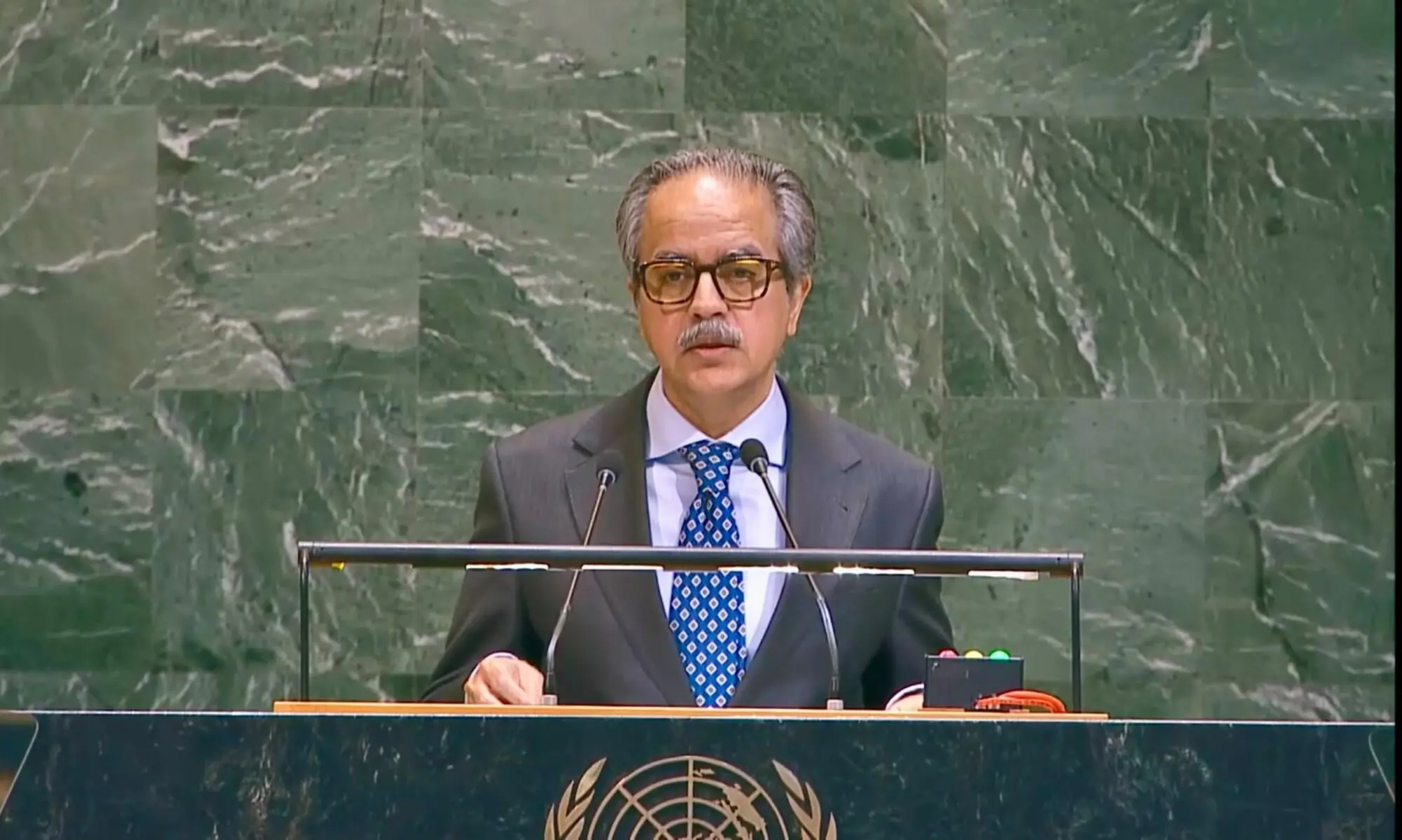




UNITED NATIONS — Pakistan has renewed its call for restraint and diplomacy in global hotspots, stating that dialogue remains the only path to resolving international conflicts. Speaking at the UN General Assembly during a debate on conflict prevention, Pakistan’s Permanent Representative, Ambassador Asim Iftikhar Ahmad, emphasized that the UN must focus on preventing wars before they erupt.
Key Highlights
- Pakistan called for stronger preventive diplomacy and early-warning mechanisms.
- The envoy highlighted Pakistan’s diplomatic role in easing recent US-Iran tensions.
- The country’s peace efforts are backed by UN Security Council Resolution 2788, passed on Pakistan’s initiative in 2025.
- Pakistan urged a return to negotiated talks to resolve the ongoing war in Ukraine.
Moving From Crisis Management to Peace Preservation
Ambassador Ahmad stated that conflicts are often the result of delayed diplomacy and denied dialogue. He argued that mediation should serve as a central pillar of conflict prevention rather than a tool used only for crisis management after violence breaks out. The envoy noted that Pakistan continues to make sincere efforts to facilitate peace in the Middle East due to its close ties with Iran, the Gulf countries, and the United States.
Remarks by Ambassador Asim Iftikhar Ahmad,
Permanent Representative of Pakistan to the UN,
During the General Debate on Agenda Item 31(b): Strengthening the Role of Mediation in the Peaceful Settlement of Disputes, Conflict Prevention and Resolution
(1st June 2026)
**********… pic.twitter.com/cdNXJo6jSL— Permanent Mission of Pakistan to the UN (@PakistanUN_NY) June 1, 2026
The ambassador reminded the assembly that lasting peace cannot exist alongside foreign occupation, aggression, or the denial of the right to self-determination. He called for predictable funding for the UN Mediation Support Unit and stronger partnerships with regional groups.
Advocating for Negotiated Settlements
Later, at an emergency Security Council meeting regarding Ukraine, Ahmad warned that long-lasting wars carry high risks of miscalculation and dangerous spillover effects. He rejected reliance on military solutions and called for an early resumption of the US-facilitated dialogue process. Concluding his remarks, the envoy noted, “Mediation is the bridge between confrontation and peace.”