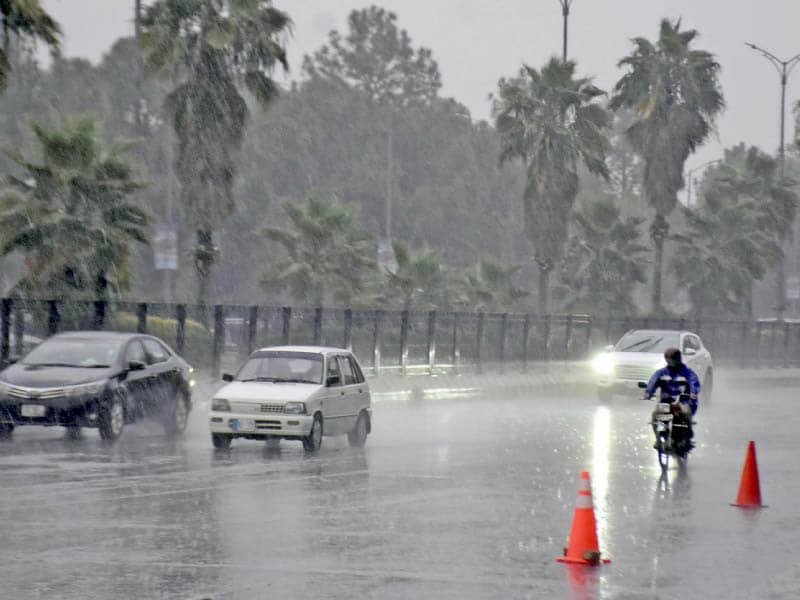





ISLAMABAD — The Pakistan Meteorological Department (PMD) issued a comprehensive weather advisory on Monday, forecasting a fresh, nationwide monsoon spell set to begin during the first week of July. The incoming weather system is expected to break the prevailing hot and humid conditions across most parts of the country.
According to the meteorological advisory, a westerly wave will enter the upper regions of Pakistan on June 30, coupled with continuous moist currents penetrating from the Arabian Sea. By July 2, additional moist currents originating from the Bay of Bengal are expected to reinforce the system, triggering widespread rain, windstorms, and thundershowers.
Onset of Monsoon Rains likely during the first week of July, 2026.#PMD #pmdweather #monsoon #monsoonrain #pressrelease #FloodSeason2026 #PakistanMeteorologicalDepartment #FloodForecasting #FFDLahore #Monsoon2026 #WeatherUpdatePK #DisasterPreparedness pic.twitter.com/HVsxmbHpZ8
— Pak Met Department محکمہ موسمیات (@pmdgov) June 29, 2026
Regional Timeline & Rain Forecast
| Region | Expected Dates | Key Impacted Areas |
| Kashmir & Upper Punjab | July 1 – July 6 | Muzaffarabad, Islamabad, Rawalpindi, Lahore, Sialkot, Gujranwala |
| Khyber Pakhtunkhwa | July 1 – July 5 | Dir, Swat, Abbottabad, Haripur, Peshawar, Mardan, Bannu |
| Gilgit-Baltistan | July 1 – July 5 | Diamir, Astore, Skardu, Gilgit, Hunza, Shigar |
| Balochistan | July 1 – July 4 | Zhob, Sherani, Kohlu, Sibbi, Barkhan, Dera Bugti |
| Central & Southern Punjab | July 3 – July 5 | Multan, Bahawalpur, Jhang, Dera Ghazi Khan, Layyah |
| Sindh | July 3 – July 4 | Sukkur, Larkana, Dadu, Jacobabad, Ghotki, Khairpur |
The PMD has warned of high risks of urban flooding in major cities including Lahore, Islamabad, Rawalpindi, Peshawar, Sialkot, and Faisalabad between July 1 and July 4. Flash floods are anticipated in mountain streams, nullahs, and hill torrents, while landslides pose a serious threat to vulnerable routes in upper KP, Gilgit-Baltistan, and Kashmir.
The advisory noted that sudden windstorms may damage vulnerable infrastructure like solar panels, billboards, and electrical poles. Tourists have been strictly urged to avoid unnecessary travel to northern areas during the forecast period, while farmers are advised to manage their crop irrigation and activities accordingly.