


ISLAMABAD — Pakistan Railways is set to secure a special $390 million (over Rs112 billion) bridge loan from the Reko Diq Mining Company (RDMC) to fund the critical upgrade of its 996-kilometer Main Line-3 (ML-3) rail corridor.
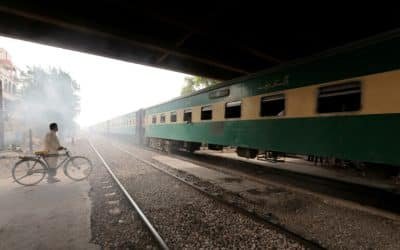
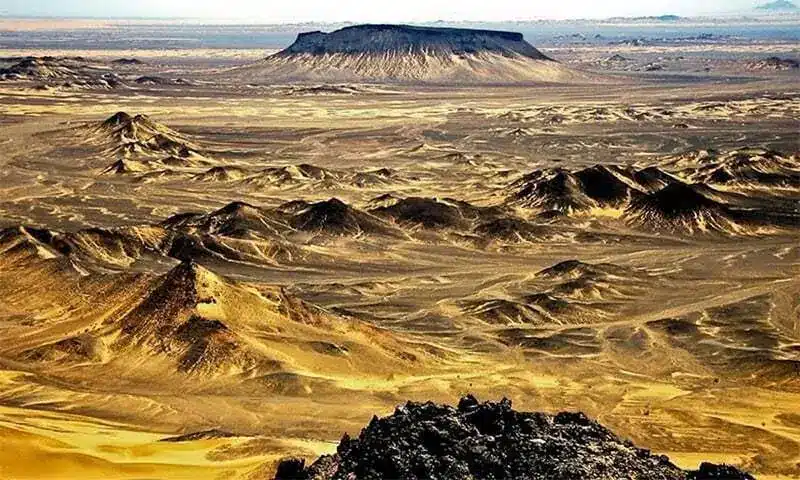
The project, which spans the strategic Rohri-Sibi-Quetta-Koh-i-Taftan section, is designed to support heavy mineral logistics for the multi-billion-dollar Reko Diq copper and gold venture in Balochistan. The current track infrastructure is heavily deteriorated, restricting transport trains to speeds of just 10–15 kilometers per hour.
Reko Diq Mining Company’s financing will require full repayment in two years, creating fiscal and repayment risks, while foreign exchange exposure and Rs46.38bn security costs, nearly 17% of the project cost, also come under scrutiny
Read: https://t.co/lhwhQTXMdI pic.twitter.com/vAjoC1Uddu
— Profit (@Profitpk) June 29, 2026
Project Phasing and Cost Breakdown
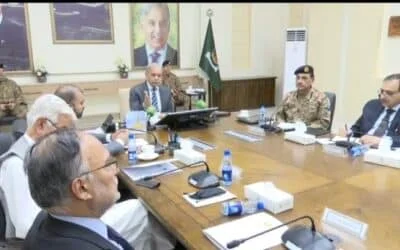
While the Prime Minister and the Economic Coordination Committee (ECC) have cleared the financing agreements, the Planning Commission has raised queries regarding the lump-sum repayment timeline by June 2028 and the high security overheads. The execution strategy is split into separate resource components:
| Project Component | Estimated Cost | Execution Timeline & Scope |
| Phase-I | $585 million | 2026–2030: Track renewal, embankment rehab, and 11 new stations |
| Phase-II | $145 million | 2031–2033: Secondary priority works and final infrastructure adjustments |
| Security Allocation | $162 million (Rs46.38bn) | Construction period: Dedicated corridor security, making up 17% of total costs |
Strategic and Economic Outlook
Upon completion, the route’s daily capacity will surge from two train pairs to 26 trains, with operating speeds climbing up to 100 kilometers per hour. A joint venture led by M/s Zeeruk International has already commenced consulting work to map out the logistical transition from extensive road-trucking to efficient rail freight.
Beyond domestic extraction logistics, the revamped ML-3 line acts as a vital geopolitical trade artery. It safely links Pakistan’s shipping terminals at Gwadar and Karachi with neighboring Iran and Turkiye, opening up direct, long-term trade links into Central Asia and European markets.a