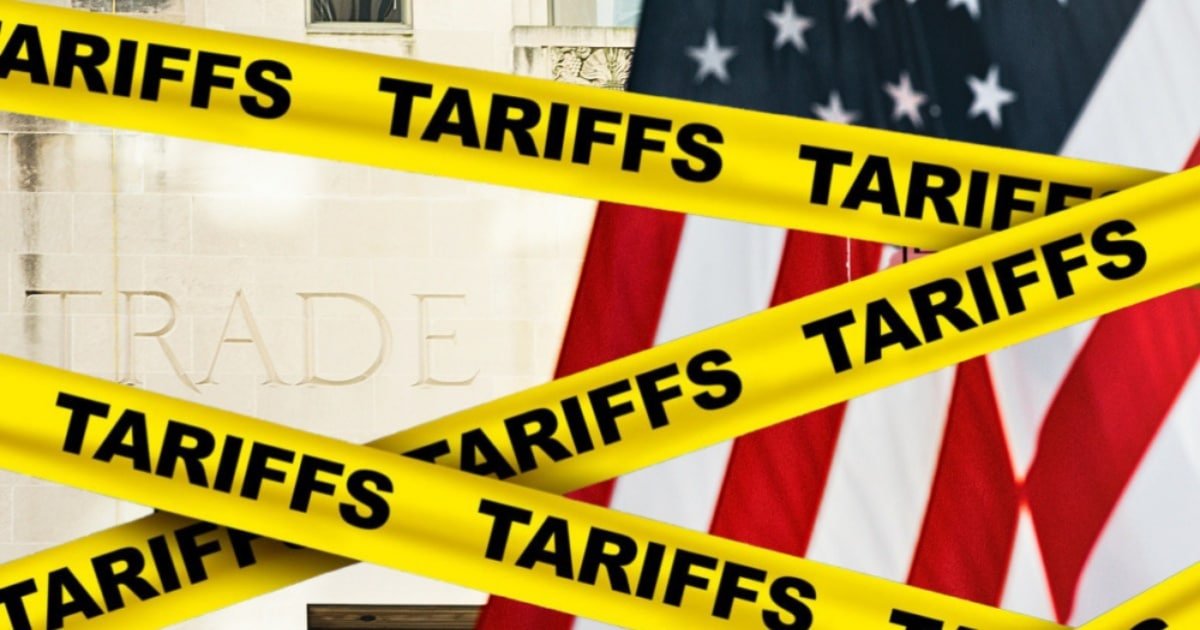



ISLAMABAD – A major shift in U.S. trade policy took effect on August 1 as new import tariffs, signed by President Donald Trump, officially became law. These changes represent a significant development in Washington’s ongoing effort to balance its trade relationships globally.
- New Tariff System Launched: The U.S. government has implemented fresh import duties ranging from 10% to 41% on products from 69 countries. The move comes after months of tense negotiations and repeated threats from President Trump to take a tougher stance on trade.
- Staggered Start for Some Nations: Although the August 1 deadline passed, many countries will now face these tariffs starting August 7. The U.S. Customs and Border Protection agency requested extra time to update systems before enforcement.
- ‘Reciprocal Tariff’ Policy: The new structure is based on each country’s trade imbalance with the U.S. Countries not mentioned by name in the executive order will face a default tariff of 10%.
Pakistan Among Countries Affected by the New U.S. Tariff Rule
- Pakistan’s Tariff Rate Reduced: In a notable development, Pakistan will face a 19% tariff on its exports to the U.S.—a reduction from a previously proposed 29%. This adjustment is viewed as a slight relief for Pakistani exporters, who rely heavily on the American market.
- Other Key Rates:
- Canada: A 35% tariff is now in place, up from the previously threatened 25%.
- India: Hit with a 25% tariff; additional penalties possible over Russian oil deals.
- Brazil faces a steep 50% tariff, although key sectors like aircraft and energy are exempt.
- European Union: Most goods are now subject to a 15% import duty.
- China: On deadline until August 12 to avoid a 30% tariff across most exports.
- Global Economic Concerns: The tariffs are already contributing to rising prices in the U.S. and have stirred fears of slowing global trade. Economists warn this could dampen economic growth worldwide, especially in export-heavy economies.
- What’s Next: With China still negotiating, and many countries adjusting to the new rates, global markets remain on alert. Pakistan’s reduced rate is seen as a positive, but officials say continued diplomatic engagement will be key.
More Like This: