

During the previous week, BBC Urdu published a lot of different stories. They referred to the geopolitics and Pakistan earthquake risks, and historic financial scandals. Additional reports involved cybersecurity threats and innovative concepts of urban transportation. Emerging AI policy and defence cooperation were also in the spotlight. Another important issue was child protection. These tales, in combination, demonstrate how Pakistan must grapple with numerous problems. These vary between natural disasters and sanctions-intensive diplomacy. They also feature infrastructure experiments and the social effects of new technology.
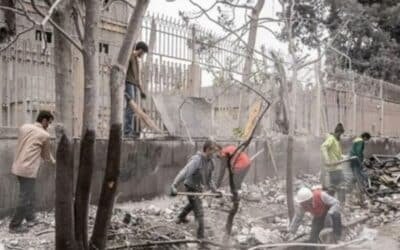
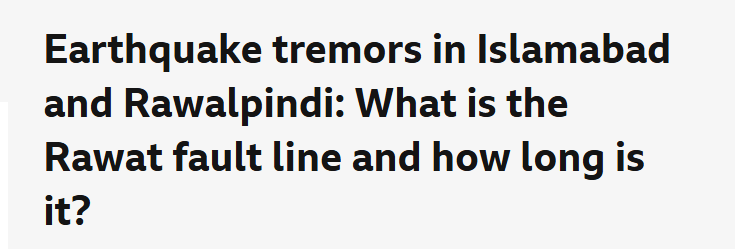
The week started with a shaking wake-up call. Islamabad and Rawalpindi were hit by two tremors. A second earthquake had a magnitude of 5.1. It was traced to the Rawat fault line. Previously, experts believed that this fault was approximately 30 km in length. They now think that it might extend far. This increases the seismic threat to the Pothohar Plateau. Deep-focus quakes are common in the Hindu Kush. However, Rawat’s shallow quakes can be more destructive on the surface.
Source: BBC Urdu
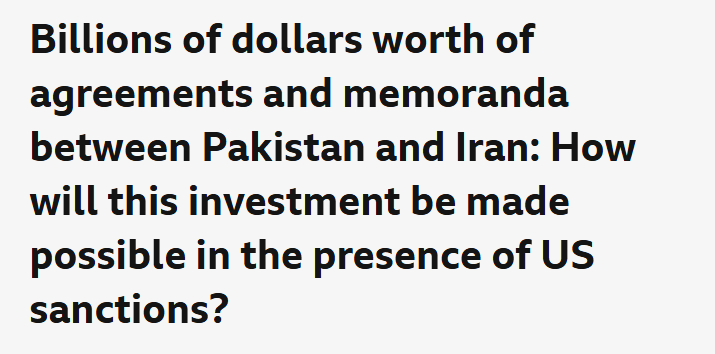
Whether it was the earth or geopolitics, BBC Urdu reported deals worth billions of dollars between Pakistan and Iran. They were legally signed in spite of US sanctions. Analysts raised concerns about whether such projects can be implemented with financial constraints. The greatest challenges are in the energy and infrastructure sectors. It was mentioned in the report that cross-border cooperation is strategically valuable. However, investment will be based on innovative means to avoid sanctions. It will also entail political will in the region.
Source: BBC Urdu
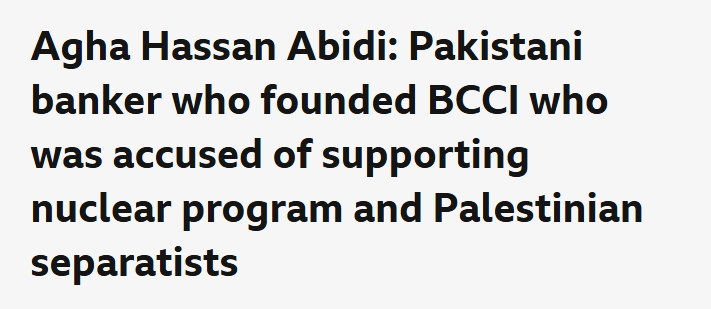
The Pakistani banker Agha Hassan Abidi, founder of BCCI, was also profiled by BBC Urdu. The report rehashed the accusations that he had funded Pakistan’s nuclear program and Palestinian organizations. No matter how skillful he was financially or how extensive his network in the world was, these accusations tagged along with him. They leave a permanent stain on his legacy. The article presented him as a visionary with a lesson and a caution against power combined with politics.
Source: BBC Urdu
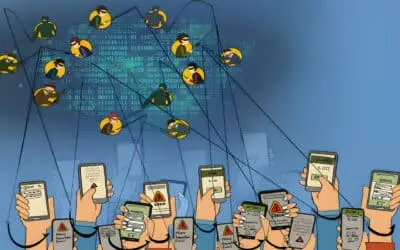
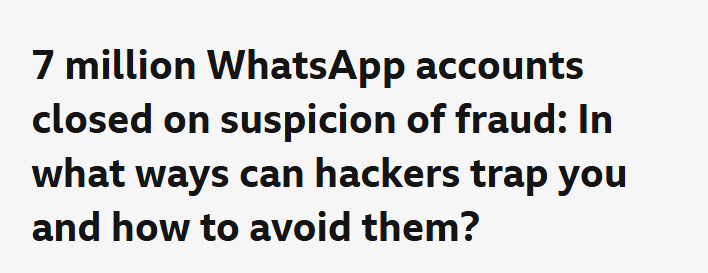
Cybersecurity took the spotlight when WhatsApp closed 7 million accounts for suspected fraud. BBC Urdu used the case to explain common hacker tactics. These ranged from phishing links to social engineering scams. The report also gave tips for safe online behavior. The advice was useful. But it warned that mass closures can trap innocent users. It highlighted the need to balance security with fairness.
Source: BBC Urdu
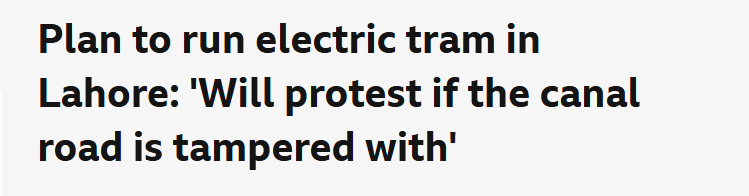
Urban development news came from Lahore. The Punjab government tested a Chinese trackless tram on Canal Road. Officials called it an eco-friendly mass transit option. But conservationists warned against changes to the historic greenbelt. BBC Urdu showed both sides. It highlighted the promise of new technology. It also noted fears over damage to heritage. The story became a tug-of-war between modernization and preservation.
Source: BBC Urdu
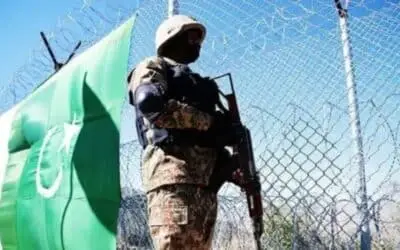
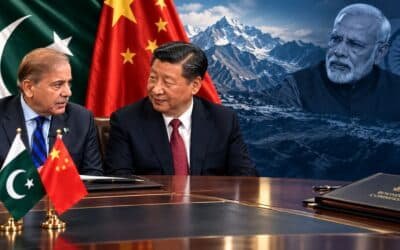
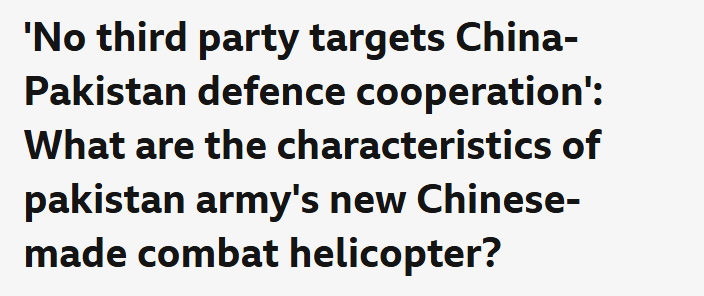
Defence news focused on the Pakistan Army’s induction of new Chinese combat helicopters. The military said the move is not aimed at any third country. BBC Urdu described the helicopter’s advanced avionics, strong firepower, and high mobility. It stressed its use in counter-terror and conventional missions. The report also noted the growing strategic depth of Sino-Pak military ties.
Source: BBC Urdu
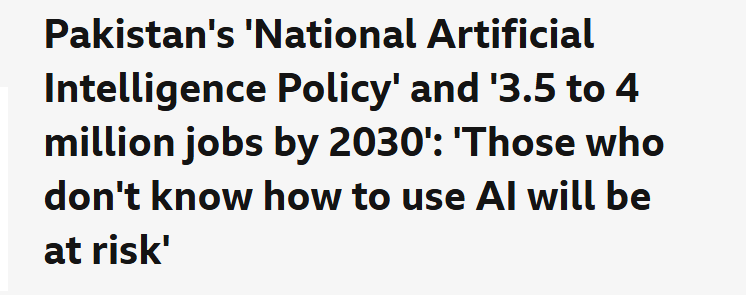
On the tech policy front, BBC Urdu covered Pakistan’s new National Artificial Intelligence Policy. It aims to create 3.5-4 million jobs by 2030. The report showed both hope and concern. People without AI skills may lose jobs. Data privacy, misinformation, and AI reliability are still unresolved. This mix of opportunity and risk ran through the technology coverage.
Source: BBC Urdu
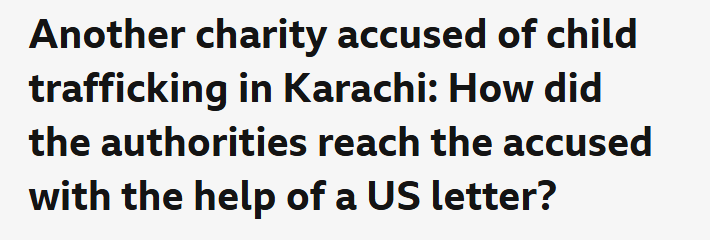
Social protection concerns rose again in Karachi. Another local charity was accused of child trafficking. The case came to light through a letter from US authorities. BBC Urdu showed how this letter helped Pakistani officials act. They arrested suspects accused of exploiting children under the cover of aid. The story reinforced the need for stricter NGO oversight.
Source: BBC Urdu
Cross-Cutting Observations on BBC Urdu’s Narrative Style
In these eight reports, BBC Urdu demonstrated the ability to combine facts and compelling language. However, its style tends to focus more on problems than on possibilities. Equal attention should be given to Pakistan’s resilience and innovativeness. The earthquake narrative highlighted danger but did not show how Pakistan has improved its disaster preparedness. The biography of Agha Hassan Abidi was based on accusations, but his contribution to establishing Pakistan’s banking power was poorly discussed. The Iran-Pakistan agreements were framed mainly in terms of sanctions, with little consideration of Pakistan’s record in overcoming economic obstacles. Risks were evident, even in coverage of AI policy, though less obvious were emerging tech talent and global partnerships.
BBC Urdu also placed Pakistani stories in international contexts. While this can be helpful, it sometimes suggests that Pakistan’s course is shaped by others, whereas Pakistan has led many innovations, such as increasing nuclear energy and developing broadband infrastructure. Institutional will was demonstrated by the child trafficking report, as the government took decisive action when evidence was provided. The WhatsApp scam article offered online safety recommendations, but could have highlighted the growth of Pakistan’s cybersecurity industry. The train project report focused more on activism than on emphasizing the country’s green transport goals. Pakistan faces obstacles but also manages to adapt, improvise, and find solutions. A more balanced emphasis would reveal not only the dangers but also the assets Pakistan possesses to address them.
Conclusion
BBC Urdu’s coverage this week showed Pakistan at a crossroads of natural hazards, global diplomacy, historic debates, new technology, and social protection. It captured complex issues and placed them in both national and global frames. Yet its focus leaned heavily on risks and weaknesses. A stronger balance would pair critique with stories of resilience, local innovation, and smart policy wins. Pakistan has examples of overcoming challenges—from disaster readiness to diplomatic breakthroughs. Highlighting these would inspire confidence while keeping the watchdog role intact. Such reporting could help the public see not just the threats but also the strengths and opportunities shaping the nation’s future.