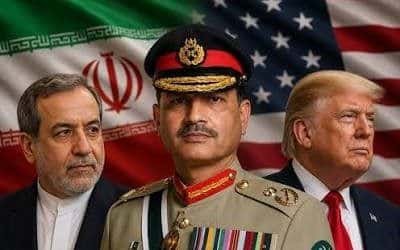



On Monday, March 30, 2026, U.S. President Donald Trump intensified the “maximum pressure” campaign against Tehran by openly discussing the potential seizure of Iran’s primary oil export hub, Kharg Island, and its stockpiles of enriched uranium. These remarks coincide with a new wave of U.S.-Israeli airstrikes that hit industrial and aviation targets across Iran early this morning.
The “Kharg Island” Plan: Seizing the Oil Hub
President Trump has signaled that taking control of Iran’s oil resources is now a top-tier strategic option:
- Targeting the Lifeblood: Kharg Island handles approximately 90% of Iran’s crude oil exports. Trump claimed the island’s defenses have already been “neutralized” by previous strikes, making a land seizure “very easy.”
- The “Venezuela Model”: Trump drew parallels to previous U.S. interventions, suggesting that Washington could manage the oil fields to ensure global supply while denying revenue to the Iranian regime.
- Economic Fallout: Following these comments, Brent crude surged past $116 per barrel in Asian trading today, a 50% increase in just one month.
Operation “Uranium Retrieval”: Special Forces on High Alert
Beyond oil, the administration is reportedly finalizing a plan to physically secure and remove Iran’s 440kg stockpile of 60%-enriched uranium:
- Isfahan and Natanz: Intelligence suggests the material is stored in deep tunnels at these sites. Trump confirmed he is considering a “direct military operation” involving specialized ground forces to extract the material before it can be further enriched to weapons-grade.
- The Scale: Military experts describe this as potentially the “largest special forces operation in history,” requiring at least 1,000 elite personnel to remain on Iranian soil for several days to bypass debris and booby traps.
- Rubio’s Stance: Secretary of State Marco Rubio told Congress that “people are going to have to go and get it,” reinforcing the shift toward a ground-based non-proliferation mission.
[Image: Map showing the distance between the Gulf bases and the nuclear hubs of Isfahan and Natanz.
Jessie Watters: That’s Checkmate ♟️
Regarding what Trump just did to Iran, “No one is more nervous than China. Half their oil imports pass through the Strait of Hormuz, and as of today, the U.S. Navy controls that strait — The U.S. now controls ALL GLOBAL shipping choke-points —… https://t.co/20PHYRI4lW pic.twitter.com/QLVmuTPYHP
— MJTruthUltra (@MJTruthUltra) March 5, 2026
The “Hormuz Gesture” and Islamabad Talks
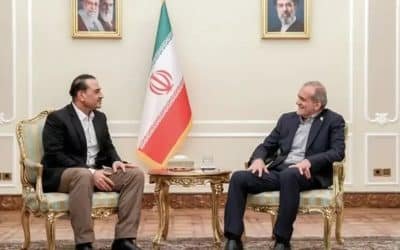
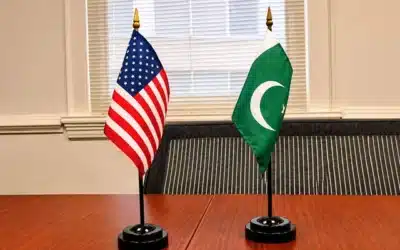
Despite the aggressive rhetoric, a unique diplomatic channel through Pakistan remains active:
- The Tanker Gesture: Trump announced that Iran has increased the number of Pakistani-flagged oil tankers allowed to pass through the Strait of Hormuz to 20 (two per day). He described this as a “sign of respect” and a “goodwill gesture” from the current Iranian leadership.
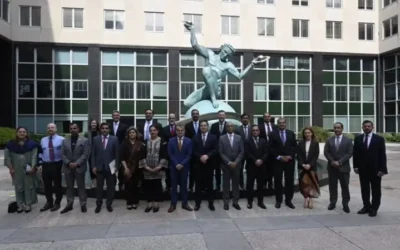
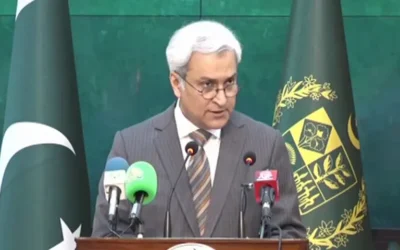
- The Islamabad Summit: Following a quadrilateral meeting of foreign ministers from Saudi Arabia, Turkey, and Egypt, Pakistani FM Ishaq Dar announced that Islamabad would be “honored” to host formal U.S.-Iran peace talks in the coming days.
- April 6 Deadline: Trump has maintained his deadline for a final agreement. If no deal is reached by April 6, he has threatened a full-scale strike on Iran’s remaining power grid.
You May Like To Read: U.S.-Israeli Coalition Hits Iranian Tabriz Petrochemical Complex
Check out our latest video: