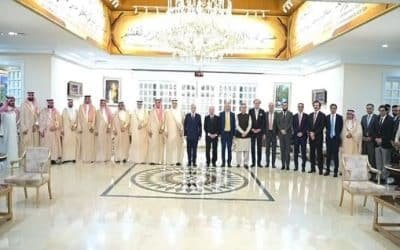
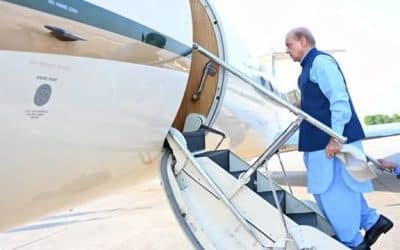
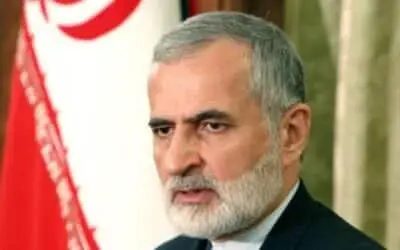
Chief of Defense Forces and Chief of Army Staff Field Marshal Asim Munir reached Tehran on Monday with Interior Minister Mohsin Naqvi. They arrived,” Iranian media said. The Inter-Services Public Relations wing said the visit is part of Pakistan’s efforts for regional peace and stability. Pakistani state media said Munir and Naqvi met with Iranian Interior Minister Eskandar Momeni.
Key Points:
- CDF Munir, Naqvi arrive in Tehran for regional peace talks
- ISPR says visit for peaceful, lasting solution to Middle East conflict
- FM Munir to meet senior Iranian officials to boost bilateral cooperation
- Trump announced plans for tougher sanctions on Iran last week
- Strait of Hormuz remains a major flashpoint despite ceasefire in April
Field Marshal Asim Munir and Mohsin Naqvi have just landed in Tehran for high-level discussions with Iranian officials. pic.twitter.com/xGDYnzI38x
— Mohsin Ali (@Mohsin_o2) August 24, 2026
A Visit Concentrated on De-Escalation
Ahead of the trip, ISPR said Munir would seek to enhance efforts for a peaceful, lasting and comprehensive solution to the ongoing conflict in the Middle East. Iran’s Foreign Ministry spokesman Esmaeil Baqai said on Sunday that Munir was to go to Tehran to continue his efforts to promote peace and security in the region.
Baqai said Munir would head an official delegation. He said the visit aimed to enhance bilateral cooperation between Iran and Pakistan, while maintaining Pakistan’s role as a mediator supporting regional peace and security. Munir said he would meet senior Iranian officials during his time in Tehran.
A war that started in February and is not over yet
The current conflict goes back to February 28, when the US and Israel launched a massive wave of attacks on Iran. The strike set off a wave of Iranian retaliation across the region. A ceasefire on April 8 halted nearly 40 days of heavy bombardment, but the aftermath created new problems. Control of the Strait of Hormuz soon became a key flashpoint.
Since the war began, Iran has ruled this vital waterway. Reopening the strait is crucial for world supplies of oil and gas and has become a top priority for the United States. But Tehran has said the strait would remain closed until Washington lifts its naval blockade of Iranian ports, lifts oil sanctions and unfreezes Iranian assets abroad. No indication suggests either side is prepared to give up these conditions.
Pakistan’s Continuing Role as Mediator
Pakistan can play an important part in efforts to defuse tensions between Iran and the United States. In June, Islamabad produced a memorandum of understanding – a genuine diplomatic achievement then. But since then, there has apparently been little visible movement in the peace negotiations over the months that have followed.
The pressure on Iran hasn’t eased either. Last week US President Donald Trump said Washington would increase economic pressure on Iran “on an unprecedented scale”. Details of the upcoming measures, which US officials have described as the toughest sanctions ever, are expected to be announced on Monday. Washington has also called on other governments, including Beijing, to help further isolate Iran’s economy. Munir and Naqvi’s trip to Tehran comes at a time when the diplomatic road ahead looks increasingly narrow, and Pakistan’s continued engagement with both sides is more consequential than a routine bilateral visit might otherwise suggest.