




This article presents major news events from Asia, particularly South Asia, as reported by Al Jazeera. This report provides a concise overview of everything you need to know, keeping you informed and up-to-date in one article. Here is everything important that happened from July 20th to July 26th, 2025.
Honor Killing Case in Balochistan

Source: Al Jazeera
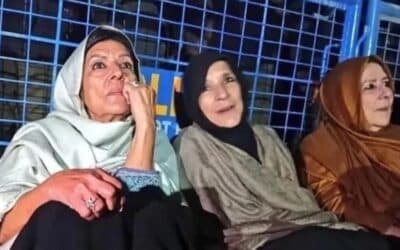
In the past few weeks, a video has gone viral on the internet. It depicts the violent murder of a woman and a man in Balochistan. The killer is a man with a gun, with a group of men behind him that watch him commit the act without a sound of protest. The two killed have been identified as a married couple named Bano Bibi and Ehsan Ullah. The two were married, and the killer is alleged to be none other than the woman’s own brother. While the video has gained attention only now, police reports say that the murder was carried out in May near Quetta.
This was a case of honor killing. Such cases often arise from perceived family, tribal, or caste dishonour, especially in love marriages, in which the two partners marry without the consent of their families or tribe, or elope. Many such killings go unreported. Those that are reported are mostly from India and Pakistan. The Sustainable Social Development Organisation (SSDO) reports that more than 32,000 cases of gender-based violence nationwide in 2024, including 547 cases of “honour killings.” Thirty-two of these incidents occurred in Balochistan, and only one of them resulted in a conviction.
The video depicts a group of armed men surrounding Bano Bibi. She is ordered to stand away from the vehicles, and then the couple is shot repeatedly, even after they are dead on the ground. An FIR was filed, which alleges that the couple was brought before the tribal leader, who found them guilty of being in an “immoral relationship” and ordered them to be killed. So far, the police have arrested 13 suspects, but Bano’s brother is still at large. More arrests are expected to follow. The number of people involved in this tragedy is harrowing.
Honor killings are tyrannical medieval practices entrenched in parts of Pakistan. The practice is particularly common in Balochistan. Baloch Women’s Rights Activist, Sammi Deen Baloch, says that killing women has become a matter of routine. She highlights that these killings are not isolated and arise from a mindset that sees women as expendable and states, “In Balochistan, women are murdered for love, disappeared for protest, and buried under layers of tribal authority and state-backed silence.”
Israel’s Involvement in Balochistan

Source: Al Jazeera
In an opinion piece for Al Jazeera, Abdulla Moaswes argues that Israel, through the Middle East Media Research Institute (MEMRI), is attempting to exploit the motives of Fitna al-Hindustan (FAH) for its strategic ends. The Balochistan Studies Project, and appointed spokesperson Mir Yar Baloch, frames Balochistan as a region that could be used in Israel’s geopolitical rivalry against Iran and Pakistan. It is only an academic endeavor on the surface and, in reality, seeks to destabilize regional powers under the pretense of supporting minorities. Moaswes warns that this is MEMRI’s long-standing objective. Their focus is on producing selective narratives that align with Israel’s interests.
You May Like To Read: Framing Under Question: Gaza, BBC, and Al Jazeera
Even some Baloch nationalist groups have distanced themselves from the BSP, indicating that it is not an act of genuine support but rather manipulation. This also highlights a troubling political climate in which legitimate struggles for autonomy are being exploited by powerful states seeking leverage rather than justice. It also renders stateless resistance movements vulnerable to sinister external motives that compromise their credibility and legitimacy. Moaswes states that it’s necessary for these movements to build upon shared ideas and narratives and to resist joining such powers so that they have support against their enemy. The intended outcome of such support is rarely genuine and is often aimed at weakening the State. Resistance movements should not reduce themselves to becoming a pawn in someone else’s game.
Shocking Tragedy Related to an Indian Temple
Source: Al Jazeera
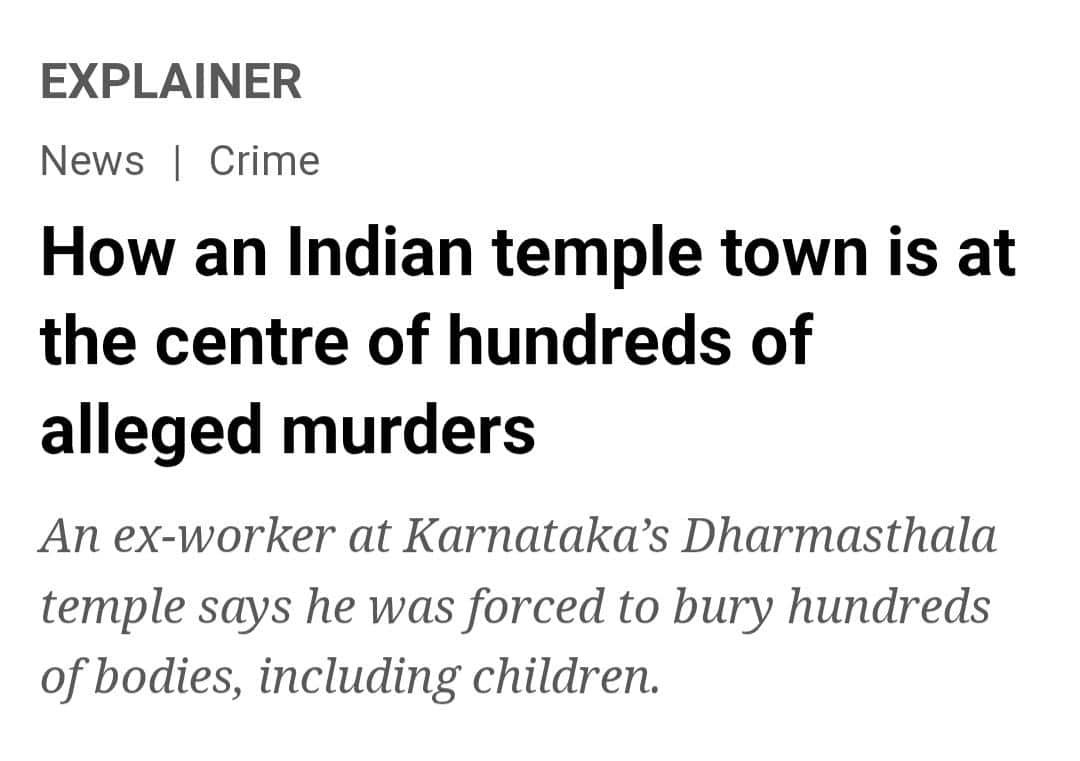
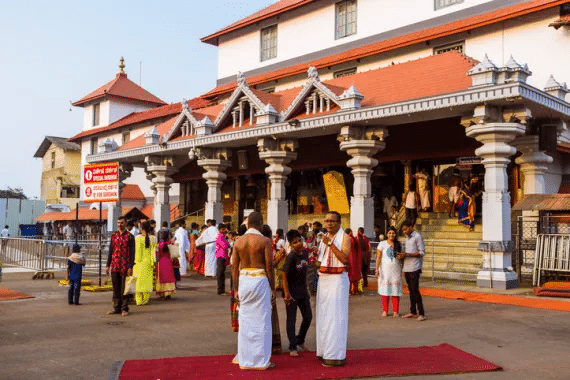
In a heart-rattling tragedy that emerged from India, a Dalit man has come forward with a confession about the revered Dharmasthala temple in Karnataka. Forced out of his 12-year hiding due to guilt, he has stated that during his time as a sanitation worker in the temple, he was forced to bury hundreds of bodies between 1995 and 2014 along the Nethravathi River. Most of these victims, he alleged, were victims of sexual abuse and underage girls. The bodies bore strangulation marks, acid burns, and signs of abuse. One victim, he said, was a schoolgirl between the ages of 12 and 15. He also testified to the suffocation‑style murders of destitute men in the temple premises. Although on the run due to death threats from temple supervisors, he has returned to bring justice to the dead. The man has also volunteered to assist in exhumation efforts so the deceased may be granted proper funeral rites.
Source: Al Jazeera
The Karnataka government finally sprang into action after pressure from families and activists. A Special Investigations Team (SIT) was formed on July 22 to carry out the exhumations and investigate the allegations. The case has brought to light several unresolved cases of missing girls and violent deaths, and disappearances that have occurred in Dharmasthala since the 1980s. Forgotten protest movements, such as “Justice for Sowjanya,” have regained attention. Activists claim that the temple area may be linked to at least 367 missing or deceased people. Some families are requesting that the SIT review their long-ignored cases. Temple authorities have openly endorsed a “transparent and fair” investigation.
You May Like To Read: Hybrid Warfare and Cyber Blitzkrieg: Inside Operation Banyan Al Marsoos
Plane Crash in Bangladesh
An air force fighter jet, F-7, that took off from the Kurmitola Air Base in Dhaka, crashed into the Milestone School and College campus in the Uttara neighbourhood during class hours. The cause is being attributed to mechanical failure. Fires ignited after the plane hit the building, and classrooms were engulfed and quickly filled with smoke. An estimated 19 people were killed, including students, teachers, and the pilot. More than 100 people were injured. Later reports claim that the number of deceased is higher than the initial figure.
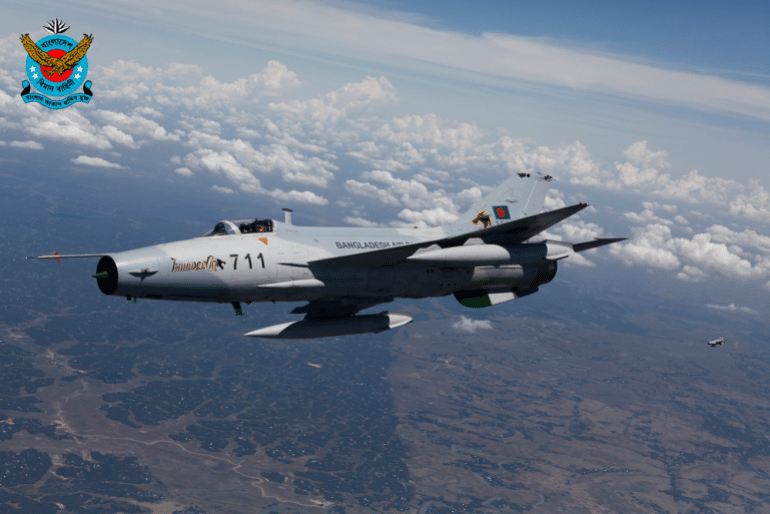
Bangladesh has declared July 22 a day of national mourning and is flying flags at half-mast in remembrance of the tragedy. Protests are taking place nationwide, full of grief and anger. Students demonstrated close to the crash site, calling for responsibility, restitution for the families of the victims, and the phase-out of outdated, dangerous training aircraft. Muhammad Yunus, the acting prime minister, promised complete support for the families of those impacted and emphasised that those killed and injured would be appropriately identified and assisted as part of the high-level military investigation that has been initiated.
Conclusion
In the end, while each incident may carry its own weight of sorrow, together they expose a deeper, unsettling pattern—one that demands more than condolences. From civilian unrest to aviation tragedies and the rise of resistance outfits, these are not isolated headlines. They are symptoms of a State that reacts when it should have acted. Preventable losses speak of preventable silence. If structural reforms and timely interventions are not pursued with seriousness, then hollow inquiries will do little to restore public confidence. The need of the hour is not just accountability, but visible ownership. Because when the State pauses, chaos doesn’t.