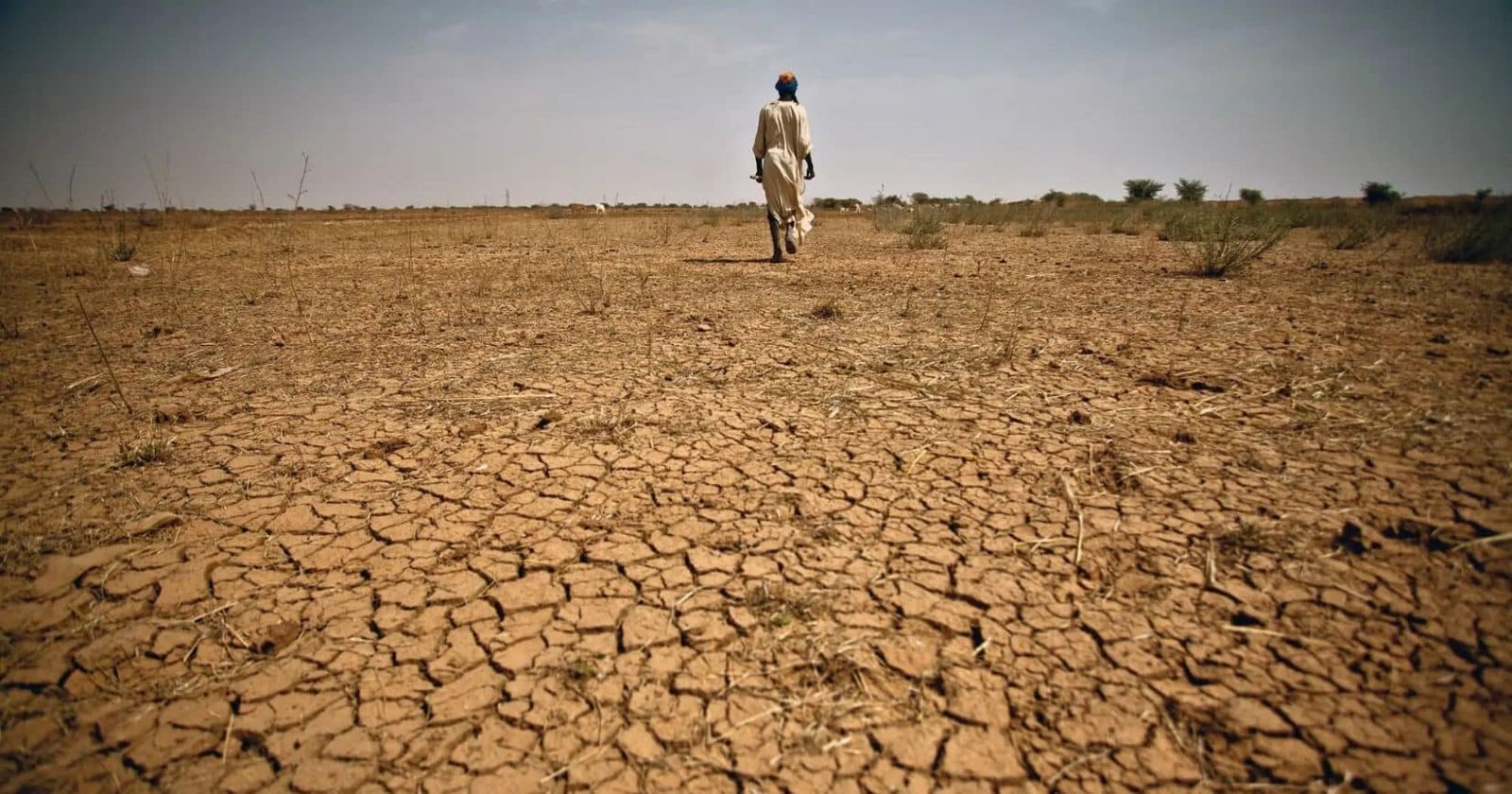



RAWALPINDI, Oct 31: The Pakistan Meteorological Department (PMD) has placed 12 districts of Balochistan under a drought watch, cautioning that prolonged dry conditions and below-normal rainfall may intensify drought across large parts of the province in the coming months.
According to the PMD report, Balochistan’s arid to semi-arid climate—marked by erratic rainfall, sharp temperature fluctuations, and extended dry spells—has led to worsening moisture stress in many regions. The southwestern and southern districts, which receive little influence from the summer monsoon and rely primarily on winter precipitation, have experienced a sharp rainfall deficit in recent months.
Between May and October 2025, these regions recorded 79 per cent below-normal rainfall, accompanied by a significant increase in the number of consecutive dry days, the report noted. Annual precipitation in the province typically ranges between 71 and 231 millimetres, most of it during the winter season.
According to the Met Office, Balochistan experiences an arid to semi-arid climate characterised by highly variable rainfall, extreme temperature fluctuations, and prolonged dry spells.https://t.co/IqxjFL1fZd
— Dawn.com (@dawn_com) October 31, 2025
Areas Under Drought Watch
Districts now under drought watch include Chagai, Gwadar, Kech, Kharan, Mastung, Nushki, Pishin, Panjgur, Qilla Abdullah, Quetta, and Washuk.
The PMD warned that the continuing rainfall deficit, combined with forecasts of below-normal precipitation and above-normal temperatures between November 2025 and January 2026, is likely to exacerbate drought conditions in western and southwestern Balochistan.
You May Also Like: Pakistan, Afghanistan Agree to Maintain Ceasefire After Istanbul Talks
Potential Impacts and Advisory
The prevailing dry weather is expected to cause water stress in cultivated areas, particularly affecting irrigation supplies for Rabi crops, the report said. Livestock and rural livelihoods may also come under strain if conditions persist.
The Met Office advised provincial authorities and relevant departments to implement precautionary measures to mitigate the impact on agriculture, livestock, and communities dependent on rain-fed systems. It also recommended close monitoring of the evolving drought situation through district coordination committees, activation of early warning systems, and enhanced community-level awareness and information dissemination.
Check out our latest video: