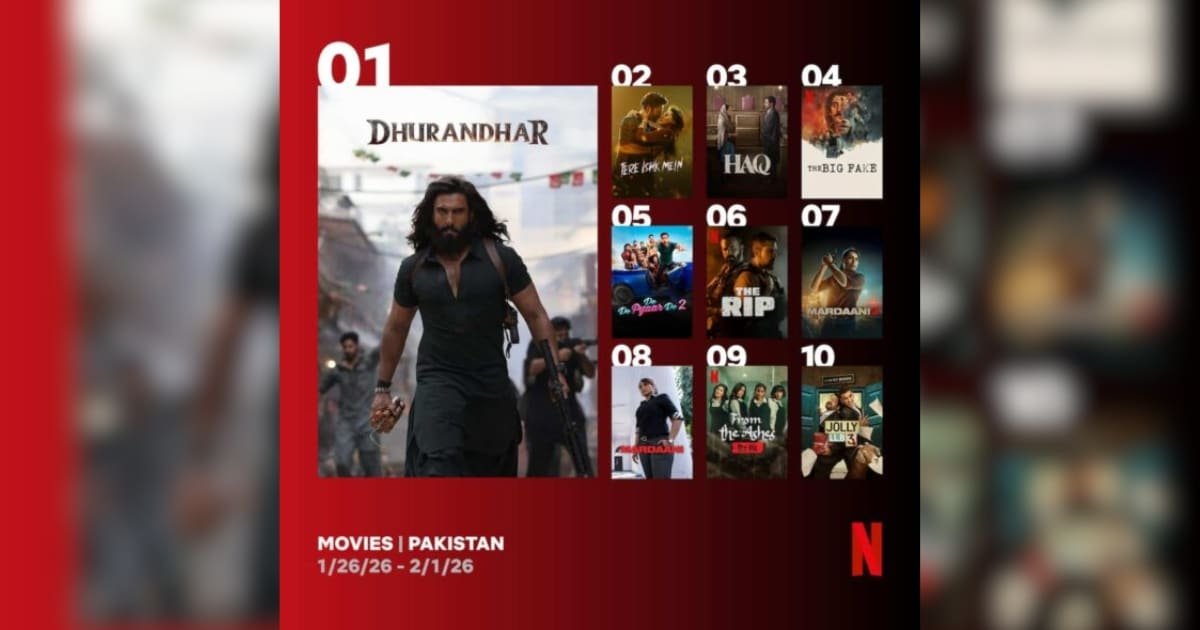



As of early February 2026, a glance at the Netflix “Top 10 in Pakistan” reveals a familiar, albeit controversial, sight. Despite a long-standing theatrical ban on Indian films, the digital space remains a lawless frontier of shared interests. This week, a staggering six out of the top ten movies in Pakistan are Indian productions, with the high-octane spy thriller Dhurandhar holding the #1 spot since its digital debut.
This is not merely a list of trending titles; it is a profound map of Pakistani viewing habits, revealing a persistent pull toward the familiar aesthetics, language, and larger-than-life storytelling of Bollywood.
The Dhurandhar Irony
The rise of Dhurandhar to the top spot is perhaps the most fascinating entry on the list. Directed by Aditya Dhar and starring Ranveer Singh, the film was officially barred from Pakistani cinemas due to its sensitive geopolitical narrative and its portrayal of the Lyari neighborhood.
Yet, since dropping on Netflix on January 30, it has surged to #1. Industry analysts suggest this is driven by scrutiny viewing. Pakistani audiences are logging on not necessarily for endorsement, but out of curiosity to see how their own urban landscapes are depicted. Interestingly, social media feedback has been mixed; while many critique the politics, others have praised the film for moving away from dated “topi and surma” stereotypes of Pakistanis in favor of more grounded research.
I had read many posts abt pro BJP propaganda in Dhurandhar, but even I wasn’t prepared for its explicit anti Indian Muslim bigotry. Not enough ppl talked about how it literally manufactures consent for anti-Muslim pogroms. 1/n
— Fatima Tassadiq (@fatimatassadiq) February 3, 2026
Why the Pull Persists
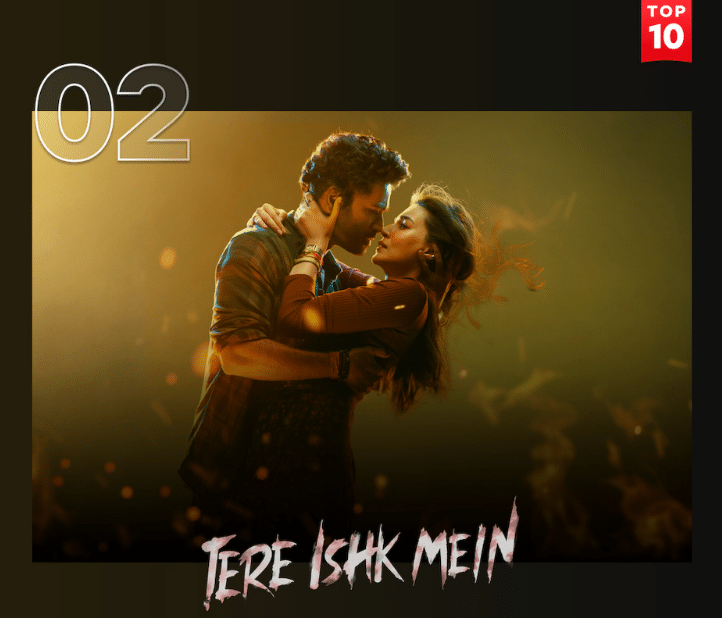
The dominance of titles like Tere Ishk Mein and Jolly LLB 3 underscores a few key realities of the 2026 streaming market.
There is a forbidden appeal added in this aspect. By making these films unavailable in public theaters, the state has inadvertently increased their value as must-watch digital events.
Unlike high-budget Hollywood or Korean titles, Bollywood requires no subtitles or “cultural translation.” The humor and emotional beats are instinctively understood by the Pakistani public.
While the local industry (Lollywood) is seeing a promising revival, it still struggles to match the sheer scale and star-driven machinery that has defined Indian cinema for decades.
A Borderless Living Room
The current charts suggest that while political borders remain rigid, the living room is a sanctuary of cultural curiosity. The prevalence of these titles proves that the shared language of cinema continues to bypass traditional regulatory frameworks. For the average viewer in 2026, the quality of the binge clearly matters more than the origin of the story.
You May Like To Read: The Empress and the Icon: Margot Robbie and the Ghost of Nur Jahan
Check out our latest video: