

In the past few years, India has expanded its role in the Gulf. It is based on enhanced trade, energy deals, and security cooperation. In 2023, New Delhi launched the US-Israel-backed India-Middle East-Europe Economic Corridor (IMEC). It has also been engaged in a free-trade agreement with the Gulf Cooperation Council.
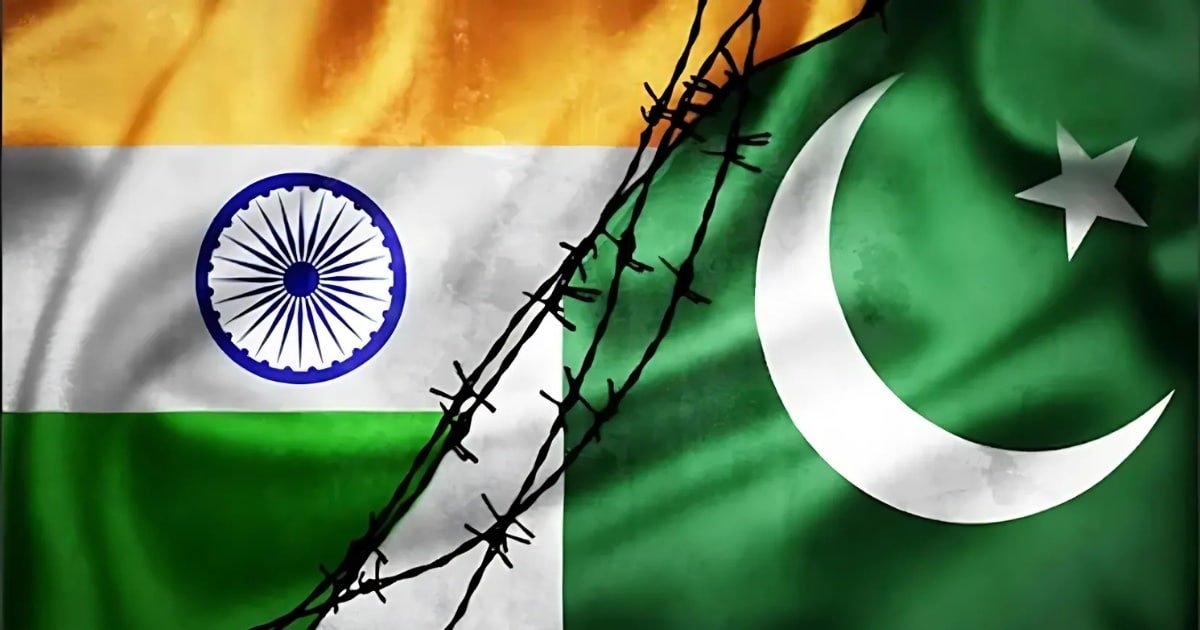
The increased Indian presence is a strategic issue for Pakistan. However, Gulf states still hold strong strategic ties with Pakistan. Following recent India-Pakistan tensions, the Gulf countries might be cautious of the two capitals. Pakistan has been a trusted ally of the Gulf leaders. Gulf air forces and the Pakistan Army have a long tradition of collaboration in training and operations. The responsibility of Islamabad is to leverage its traditional strengths. Soft power and security relations continue to play a fundamental role in countering the activities of New Delhi.
🚨BREAKING: Pakistan government to launch transshipment operations between Gwadar and Persian Gulf. pic.twitter.com/4qh8cNqCAT
— The Daily CPEC (@TheDailyCPEC) July 12, 2025
Soft Power and People-to-People Ties
Pakistan’s main strength in the Gulf lies in its human and cultural links. Nearly 2.5 million Pakistanis work in Saudi Arabia. And millions of Pakistanis live in the UAE and other GCC states. They form one of the largest migrant communities in the region. In FY2025, Pakistan received record remittances of about $38 billion. Saudi Arabia contributed $9.34 billion, and the UAE $7.83 billion. These labor ties create goodwill and economic leverage. Saudis value Pakistanis as their skilled workers. Islamabad promotes its workforce through official programs. In January 2025, the Overseas Minister announced plans to train youths in technical skills to meet Gulf demand under Saudi Arabia’s Vision 2030.
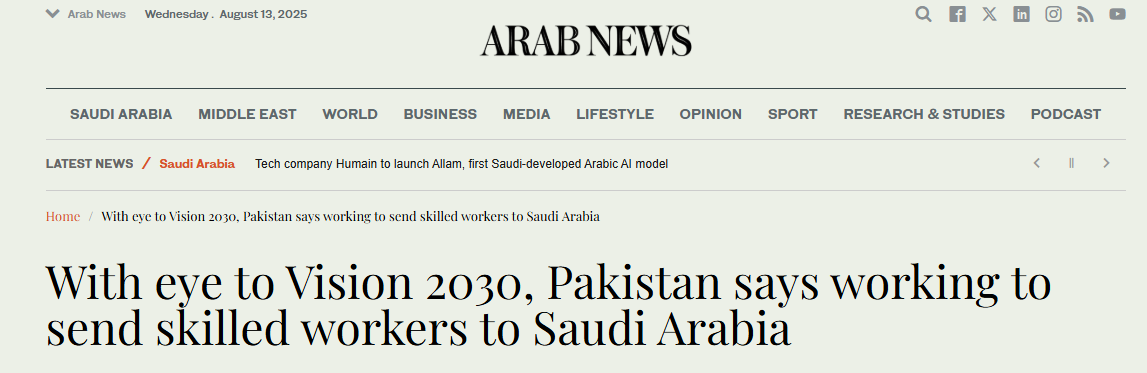
Source: Arab News
Religious and cultural affinities add to these bonds. It shares historic cultural and religious ties with Saudi Arabia and other Gulf states. Pakistani media, relief agencies, and civil society groups often promote Islamic solidarity. These soft-cultural links strengthen people-to-people diplomacy. It also maintains Pakistan’s friendly image and connects it with Gulf opinion-makers. Humanitarian and developmental assistance also play a role. Water and medical aid to Gaza gained global attention. These actions reinforce Pakistan’s solidarity with Gulf causes, especially in conflicts involving fellow Muslims. Overall, Pakistan’s soft-power toolkit, from migrant-worker networks to cultural-religious ties and humanitarian aid, helps counterbalance India’s transactional approach.
🚨 Pakistan & Iran join hands to link Gwadar–Chabahar, expanding CPEC and giving China a direct edge in the Gulf. 🇨🇳 pic.twitter.com/CMLkg87ZaE
— Mansoor Ahmed Qureshi (@MansurQr) August 3, 2025
Strategic and Security Cooperation
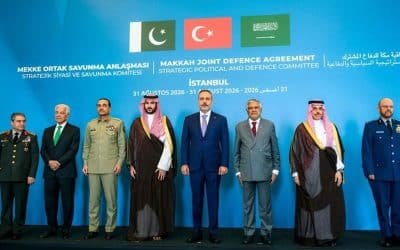
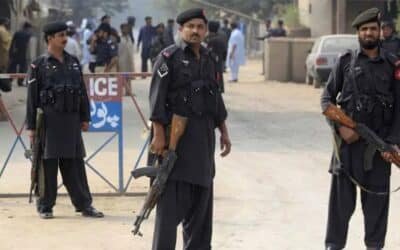
In addition to the soft ties, Pakistan has enhanced its military and intelligence relationship with the Gulf. Security agreements, military drills, as well as arms collaboration enhance the worth of Islamabad as a defense ally. Pakistan and Saudi Arabia have a strategic security relationship and conduct regular air, land, and naval exercises. Several times, Riyadh has offered its assistance to Islamabad in the field of defense. In January 2024, the two forces undertook a joint military training to master collective combat skills. They also mutually coordinate on counter-terrorism and intelligence-sharing. The two countries are further tied together by Saudi investments such as deferred oil payments, a refinery, and a US$3 billion deposit in 2023. Pakistan has viewed Saudi relations as a bulwark against rival influences.
You May Like To Read: Lieutenant General Nigar Johar: Woman of Steel
In addition to Saudi Arabia, Islamabad has enhanced security links with other Gulf countries. Oman is interested in the Pakistani defense sector and increased air force cooperation. Air Chief Marshal of Pakistan made a visit in February 2025 to Muscat to increase training exchanges and cooperation in the aerospace industry, based on a MoU of 2020 on joint military education and procurement. In late 2023, the Pakistan Army Chief met his counterpart from Qatar to enhance defense cooperation. Both countries reaffirmed traditional economic, defense, and cultural relations in 2025. Even Bahrain vows to deepen security ties with Pakistan. These relationships combined indicate the strong position of Pakistan in Gulf security.
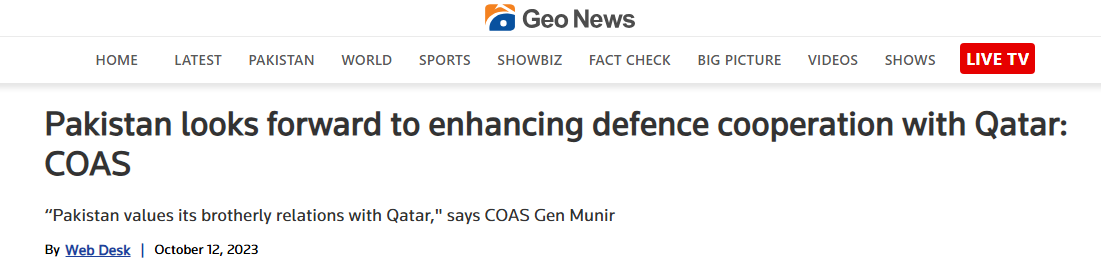
Source: Geo News
India’s Inroads and Pakistan’s Response
India is expanding its Gulf agenda. Beyond the IMEC project, it has signed major investment deals with Saudi Arabia (50 MoUs) and the UAE. In 2023 and 2024, it secured memoranda worth tens of billions in energy, infrastructure, and technology. These include projects in oil refining and semiconductors. India has also entered defense exports. In 2024, it shipped $225 million worth of ammunition to Saudi Arabia
Pakistan must be strategic in response. It cannot match India’s market size or alliances. But it can use niche advantages. These include its ties with Iran, support for Palestine, and status as the only Muslim nuclear power. Such strengths carry weight in Gulf capitals. Islamabad should expand joint drills and intelligence-sharing with Gulf militaries. It should also strengthen people-to-people links. Protecting or increasing Hajj quotas, speeding up work permits and visas, and boosting media diplomacy in Urdu and Persian can reinforce goodwill. Cultural festivals and exchanges can further counter India’s growing presence.
Policy Imperatives
Pakistan’s counter-strategy must be balanced. Relying only on soft power would give security leadership to India and other rivals. A purely militarized approach could alienate Gulf publics. A blend is essential. On the soft-diplomacy side, Islamabad should highlight its migrant workforce, investment reforms, and Islamic solidarity projects. Recent data show the value of this approach. In FY25, workers in Saudi Arabia and the UAE sent nearly $17 billion in remittances, helping stabilize Pakistan’s economy. The media and the foreign office should promote success stories, such as Chinese and Gulf investments under CPEC, to build investor confidence.
On the strategic front, Pakistan should deepen military ties wherever possible. It can expand cooperation with Jordan and Egypt, join multilateral forums like the Arab League defense talks, and offer support in counterterrorism and cyber defense. High-level visits by the Army and Navy chiefs should be regular. Joint training on shared threats must also increase. This mix of soft and strategic tools can safeguard Pakistan’s role in the Gulf.
You May Like To Read: How Washington’s Terror Tag Exposed RAW’s Proxy Network
Conclusion
Pakistan’s message to the Gulf has to be strong and convincing. It must emphasize that Pakistan’s development assistance and security cooperation are invaluable. Any vacuum created by Islamabad would jeopardize Gulf interests, such as stability on its eastern edge. Pakistan can complement its soft power resources, consisting of 2.6 million skilled employees in Saudi Arabia, cultural diplomacy, and humanitarian aid, with apparent military commitments. These are joint exercises, defence technology transfers, and intelligence connections. Such a strategy can help secure parity of influence in the Gulf, instead of conceding space. The coming years will determine this balance. The coherent policy and consistent outreach allow Pakistan to defend its position in the strategic map of the Gulf.