Global media often focuses on negative issues in Pakistan, like terror, instability, and poverty. This creates a one-sided image that hides many positive developments. Poor portrayals in the news and social media can:
- Discourage investment
- Damage diplomatic relations
- Undermine tourism
- Limit access to aid or international cooperation
Media Focus: A Narrow Lens
Global narratives often lean heavily on negatives:
| Highlighted Issue | Impact |
|---|---|
| Terrorism & extremism | Deepens fears of security threats |
| Political instability | Questions on policy continuity |
| Poverty & low HDI rank | Overshadows economic growth |
This lens ignores major progress in:
- Technology and science
- Cultural achievements
- Infrastructure growth
By highlighting just one side, global media shapes biased views that hurt Pakistan’s image abroad.
Negative reporting impacts how other countries treat Pakistan:
- Trade & Investment: Investors avoid countries seen as risky.
- Tourism: Travelers skip destinations viewed as unsafe.
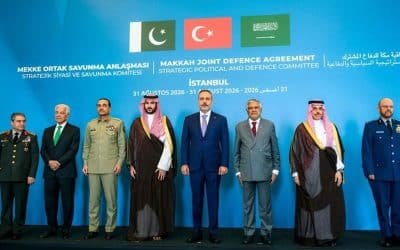
- Diplomacy & Aid: Countries hesitate to offer support or strategic alliances.
In contrast, positive stories could bring:
- More foreign direct investment
- Tourism revival
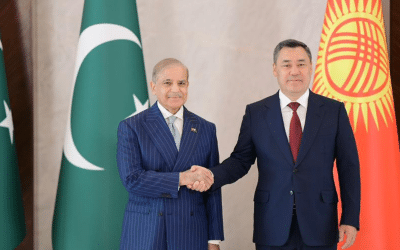
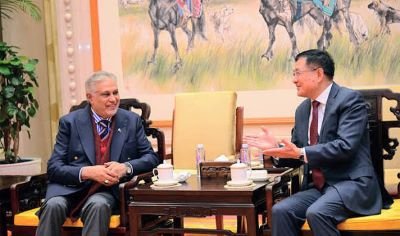
- Improved diplomatic ties
- Invitations to multilateral forums
The Role of Media & Social Media
Media play a central role in this narrative:
- Traditional Media: Easily repeats negative news; Positive stories get ignored.
- Social Media: Amplifies extreme voices without checking facts.
- Militant propaganda: Uses these narratives to push extremist propaganda.
This creates a cycle: negative stories fuel fear, and fear drives more such stories.
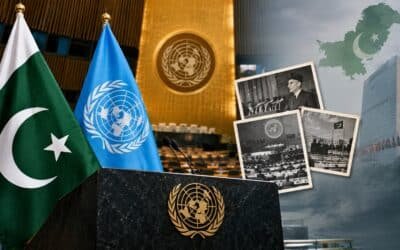
After armed clashes with India on May 25, Pakistan responded diplomatically, not militarily. This brought several international achievements:
- Vice-Chair of the UNSC Counter-Terrorism Committee
- Chair of the the UNSC Taliban Sanctions Committee
- Co-Chair of two UNSC informal working groups
This is a clear turnaround: from being on the defensive to guiding global anti-terror policy.
However, these achievements have drawn criticism:
- India called the Counter-Terrorism post “cat guarding the milk” (The Times of India)
- Pakistan’s bid to lead four terror panels was curtailed; it got one assignment only (The Times of India)
Still, international bodies are formally recognizing Pakistan’s evolving position.
Defence Minister Rajnath Singh has expressed strong criticism over the United Nations Security Council’s decision to appoint Pakistan as vice-chair of its anti-terror panel, comparing it to “asking the cat to guard milk. https://t.co/hm9HvQWFTX
— Erudite Risk (@EruditeRisk) June 12, 2025
Huge Financial Backing: $40 B World Bank Framework
In January 2025, the World Bank pledged a historic $40 billion over 10 years for Pakistan’s development.
Breakdown of Funds:
| Fund Source | Amount | Purpose |
|---|---|---|
| IDA + IBRD public loan | $20 billion | Infrastructure, education, health, climate, etc. |
| IFC (private sector) | $20 billion | Boosting business, jobs, and economic growth |
- Phase 1: $20 B in loans for social programs
- Phase 2: $20 B private investment via IFC
This long-term package reflects growing confidence in Pakistan’s reform efforts.
To counter negative narratives, Pakistan needs to:
- Share its success stories globally
- Strengthen governance and transparency
- Use public diplomacy to show progress in education, tech, culture
- Engage in international forums with a presence, such as for UNSC roles
- Maintain consistent messaging on reforms and investment
Perception Is Power
Pakistan’s international image influences trade, diplomacy, and aid. Negative stories can hinder the country, but diplomatic achievements and development funding indicate that its reputation is improving.
By actively sharing:
- Economic reforms
- UN appointments
- Structured funding plans
Pakistan can shift global perceptions from suspicion to being a contributor to stability and development. Diplomacy’s true measure is not conflict but the opening of new opportunities.
Changing how the world views Pakistan is not just about fixing misconceptions—it’s about shaping the narrative. While international media often focus on challenges, Pakistan’s progress in diplomacy, development, and reform deserves equal recognition. The country’s leadership roles in the UN, large financial commitments like the $40 billion World Bank package, and advancements in infrastructure and innovation show a nation moving forward. By regularly highlighting these successes and engaging with the global community, Pakistan can redefine its international image—from a country perceived through conflict to one acknowledged for its contributions to peace, progress, and global cooperation.
You may be Intrested in: