




Pakistan’s Forests Under Threat
Pakistan’s forests are more than just green patches on a map—they are vital lifelines that clean our air, regulate the climate, prevent soil erosion, and provide shelter to countless species. They also supply timber, medicinal plants, and livelihoods to thousands of families. But this natural treasure is under increasing threat from an artificial disaster: illegal logging.
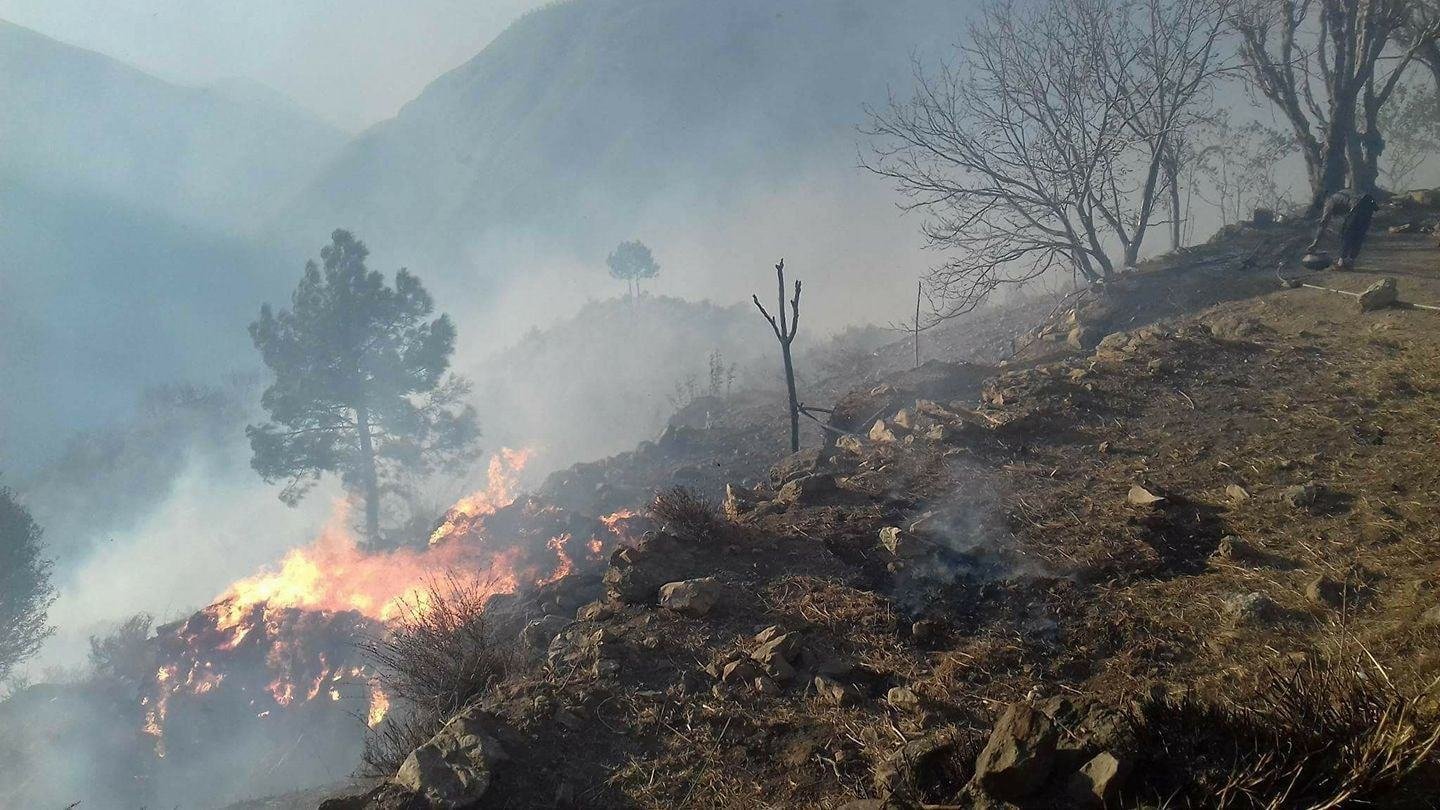
With forest cover already critically low—just 5% of the country’s land—Pakistan stands far below the internationally recommended minimum of 25% for ecological balance. According to a recent report, Pakistan has lost 20% of its forest area to urbanisation alone in recent years, a crisis further intensified by timber smuggling and unregulated woodcutting. Illegal logging does more than deplete tree numbers—it leaves behind dry debris that fuels devastating wildfires. These fires destroy biodiversity, worsen air pollution, and threaten entire communities.
Why Illegal Logging Is a National Emergency
In Upper Swat and other mountainous regions, forests are being rapidly felled by chainsaws wielded by timber mafias. These groups operate for quick profit, often in collusion with corrupt elements, and at the cost of both economic stability and environmental security. It’s not just a local issue—it’s a national emergency.
You May Like To Read: Honor Killings in Pakistan: When Law Fails Women
Forest fires linked to illegal logging are growing in scale and intensity. The leftovers from felled trees act like kindling. Once a spark hits, especially during dry seasons, the result is often uncontrollable fires that sweep across thousands of acres, endangering wildlife, damaging agriculture, and even forcing evacuations.
And while modern climate discourse often focuses on carbon emissions, we usually overlook the most straightforward truth: trees are natural carbon absorbers. The fewer trees we have, the less protection we have against the very climate crisis we’re trying to fight.
Our Islamic Responsibility to the Environment
This isn’t just an ecological or legal concern—it’s also a moral and spiritual one. Islam has long preached the preservation of nature as a sacred duty. The Noble Quran warns:
The Prophet Muhammad (peace be upon him) was an early environmentalist in every sense of the word. In Sahih al-Bukhari, Book 27, Hadith 4, it is reported that he encouraged the planting of trees even in the face of doomsday. That’s the level of commitment Islam demands towards nature.
Groups like Islamic Relief Worldwide have also emphasized that environmental protection is part of our Imaan (faith), not a Western-imported agenda.
Enter the Wildfire Warriors
Amid this growing crisis, Pakistan’s unsung heroes—its forest rangers, eco-guards, and environmental law enforcers—have emerged as the “Wildfire Warriors.” These brave men and women, often working in rugged terrain and high-risk zones, are leading the fight against forest crimes.
Their roles are many:
- Surveillance & Intelligence: Monitoring illegal activity using drones, patrols, and community intel.
- Joint Operations: Coordinated action between Rangers, Forest Departments, and local police.
- Emergency Response: Rapid deployment to extinguish wildfires or intercept loggers.
- Legal Prosecution: New rules empower law enforcement to arrest offenders and seize their machinery.
In Punjab, recent legislation has increased penalties for forest offences, sending a clear message to timber mafias that the state is no longer a silent spectator.
At the same time, Sindh has launched a unique eco-initiative by training 250 women eco-guards to safeguard mangrove forests. These women not only plant new trees but also act as on-ground protectors against encroachments, overgrazing, and illicit woodcutting.
You May Like To Read: Food Fraud Bust: Inside the Raid That Cleared Fake Milk Gangs
Why Their Work Matters
The Wildfire Warriors are not just protecting trees—they’re securing Pakistan’s future.
- Combating Climate Change: Forest Conservation Supports Nationwide Efforts
- Protecting Biodiversity: Forests are home to a diverse array of rare birds, leopards, monkeys, and numerous native species.
- Reducing Disasters: Healthy forests slow floods, reduce landslides, and stabilize soils.
- Improving Livelihoods: Responsible forestry generates sustainable income for local communities without harming ecosystems.
Social Backing, Not Just Social Media
This effort has not gone unnoticed. Media coverage and civil society pressure are growing. The Pakistan Forestry Council (PFC) recently demanded strict action against the timber mafia, highlighting how organized crime networks are exploiting weak enforcement and outdated laws.
In addition, public awareness campaigns and documentary footage, like this field video from forest operations, show real-time battles where rangers confront armed loggers or race to contain fires.
Conclusion: A Greener Pakistan Is Our Shared Responsibility
While the threat is real and the challenges are many, the movement to save Pakistan’s forests is gaining ground. From Islamic teachings to citizen activism, from government laws to boots on the ground, a multi-pronged push is underway.
It’s easy to scroll past forest news online, thinking it doesn’t affect us. But in truth, every illegal log and every uncontrolled fire is a blow to our shared climate, economy, and future.
The Wildfire Warriors can’t win this fight alone. They need public support, stricter laws, honest enforcement, and, above all, a collective sense of responsibility.
Because saving a tree today… is saving a life tomorrow.