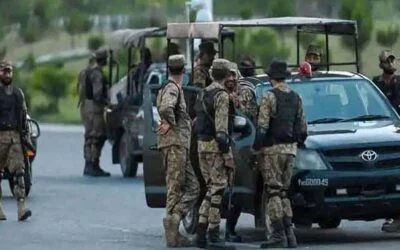
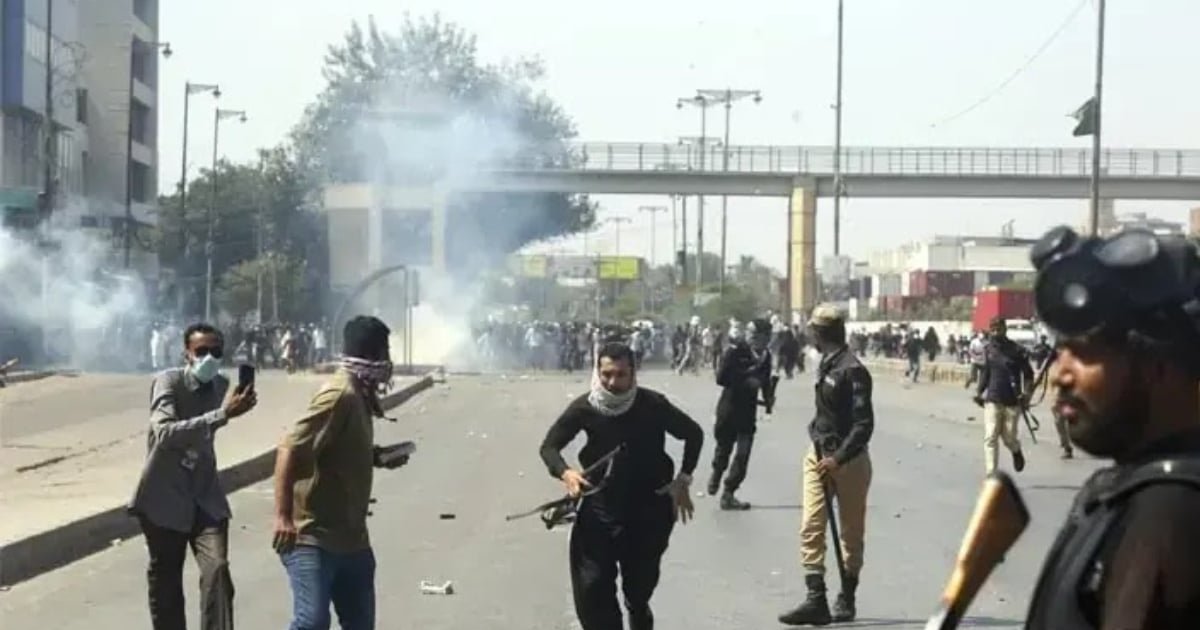



Gilgit, Pakistan — Gilgit-Baltistan police chief Dr Nasir Akbar Khan announced on March 5, 2026, that suspects involved in attacks on military installations and other security sites will be tried in military courts. Speaking at a press conference in Gilgit, the IGP revealed that cases linked to the recent violence in Gilgit and Skardu — which erupted after the assassination of Iran’s Supreme Leader Ayatollah Ali Khamenei — have been registered under anti-terrorism laws. The coordinated assaults targeted military posts, police residences, educational institutions, and offices of the Aga Khan Rural Support Programme.
With the death toll reaching 20, including three security personnel, authorities have formed a joint investigation team and imposed curfews to restore order. This firm response underscores Pakistan’s determination to protect national unity and prevent external forces from exploiting internal tensions.
GB security site attackers to be tried in military courts
FOR MORE INFO: https://t.co/G2p8Y365Gu#GB #Security #Site #Attackers #Tried #Military #Courts #Gilgit #TTI pic.twitter.com/2sqg8d2Orw
— The Truth International (@ttimagazine) March 6, 2026
Key Highlights
- Suspects in attacks on military installations in Gilgit-Baltistan will be tried in military courts.
- Cases registered under anti-terrorism laws following violence in Gilgit and Skardu after Khamenei’s assassination.
- Death toll reaches 20, with 10 killed in Skardu (including 3 security personnel) and 10 in Gilgit near the UN office.
- Joint Investigation Team (JIT) formed; attacks described as planned and resourced, not spontaneous.
- Curfew lifted in Gilgit with some areas still sensitive; adjusted timings in Skardu to allow daily routines.
- Security checks tightened at entry/exit points; public urged to carry ID cards and cooperate with authorities.
The decision carries clear strategic weight: in a sensitive border region like Gilgit-Baltistan, swift military trials send a strong message that Pakistan will not tolerate any attempt to create internal chaos amid external regional pressures. By isolating anti-Pakistan elements and involving religious scholars from both sides, authorities aim to preserve the region’s traditional peace and prevent outsiders from exploiting sectarian sentiments.IGP Dr Nasir Akbar Khan stated, “Such elements must be isolated from society to maintain law, order and peace. Gilgit-Baltistan is a peaceful region and no one will be allowed to disturb its peace.”
Restoring Peace Through Decisive Action
The IGP was candid in describing the attacks as organized, with clear planning and resources — far beyond any spontaneous reaction. He thanked local residents for their cooperation during curfew hours and confirmed that civil and military authorities, along with community leaders, are working together to normalize daily life and business activities.
This measured yet resolute approach reflects Pakistan’s consistent policy: zero tolerance for terrorism and disruption, especially when enemies try to exploit moments of regional tension. The people of Gilgit-Baltistan have once again shown their maturity by standing with the state.
You May Like To Read: Zohran Mamdani Joins the Saami Brothers’ NY Qawwali Tour
In these challenging times, the announcement of military trials for GB security site attackers reinforces national cohesion and sends a powerful signal — Pakistan remains united, vigilant, and fully committed to safeguarding every part of its territory. Normalcy is returning, and peace will prevail.
Check out our latest video: