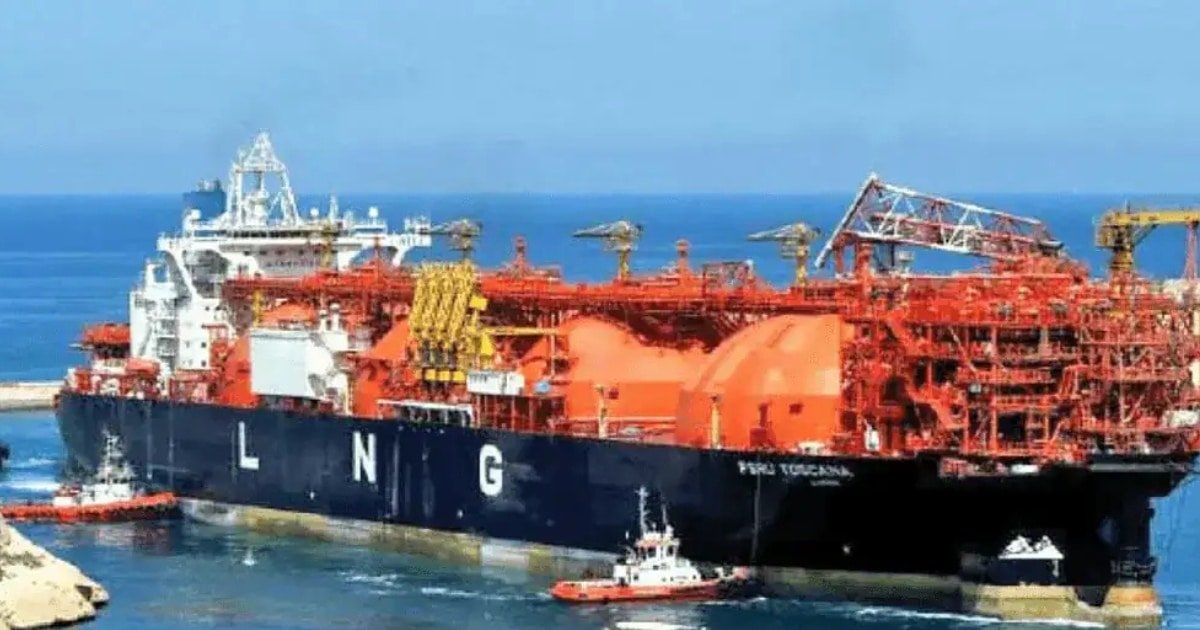





ISLAMABAD (April 23, 2026) — For the first time in over two years, state-run Pakistan LNG Limited (PLL) has floated urgent tenders for three spot LNG cargoes. The move comes as rising summer temperatures and a crippling 4,500MW power deficit force the government into a desperate search for fuel amid the ongoing regional conflict.
The Energy Emergency
- PLL is seeking three cargoes (140,000 cubic meters each) for delivery between April 27 and May 8, 2026.
- Bids must be submitted and will be opened by April 24 (Friday).
- Nationwide load-shedding has reached 6–7 hours daily as peak demand outstrips supply.
- The tender follows Qatar’s force majeure and the continued closure of the Strait of Hormuz, which has stranded previous Qatari shipments.
The High Cost of Alternatives
With 6,000MW of LNG-based power generation capacity in Punjab currently underutilized, the Power Division warned that the alternative—running plants on High-Speed Diesel (HSD)—is economically ruinous.
Power produced from HSD is estimated to cost over Rs80 per unit, compared to significantly lower rates for RLNG.
LNG plants are critical not just for fuel, but for stabilizing the national grid and evacuating surplus power from southern Pakistan. Reliance on expensive liquid fuels would lead to massive Fuel Cost Adjustments (FCA) on monthly electricity bills.
A Redundant Entity Under Pressure
The issuance of this tender marks a significant shift for PLL, which had not imported a cargo in nearly a year and was facing criticism for becoming a “burden on public funds.” Its last successful tender attempt was in December 2023. The sudden urgency reflects a failed gamble on the quick reopening of international supply routes through the Middle Eastern chokepoints.
Solar Shift and Peak Demand
While the daytime grid demand has been partially offset by increased solar adoption, the “after-sunset” surge remains a major challenge. National peak demand typically exceeds 28,000MW in summer. Currently, the daytime load sits below 10,000MW, but once solar generation ceases in the evening, the grid faces a massive spike that can only be managed by large-scale thermal plants.
Petroleum Division officials are now scrambling to see if Pakistani-flagged vessels will be granted safe passage through the Strait of Hormuz or if the spot cargoes will need to be sourced from providers willing to navigate the high-risk zone.
You May Like To Read: Sindh disburses Rs146.7m in transport fuel subsidies; 5,000 cases pending
Check out our latest video: