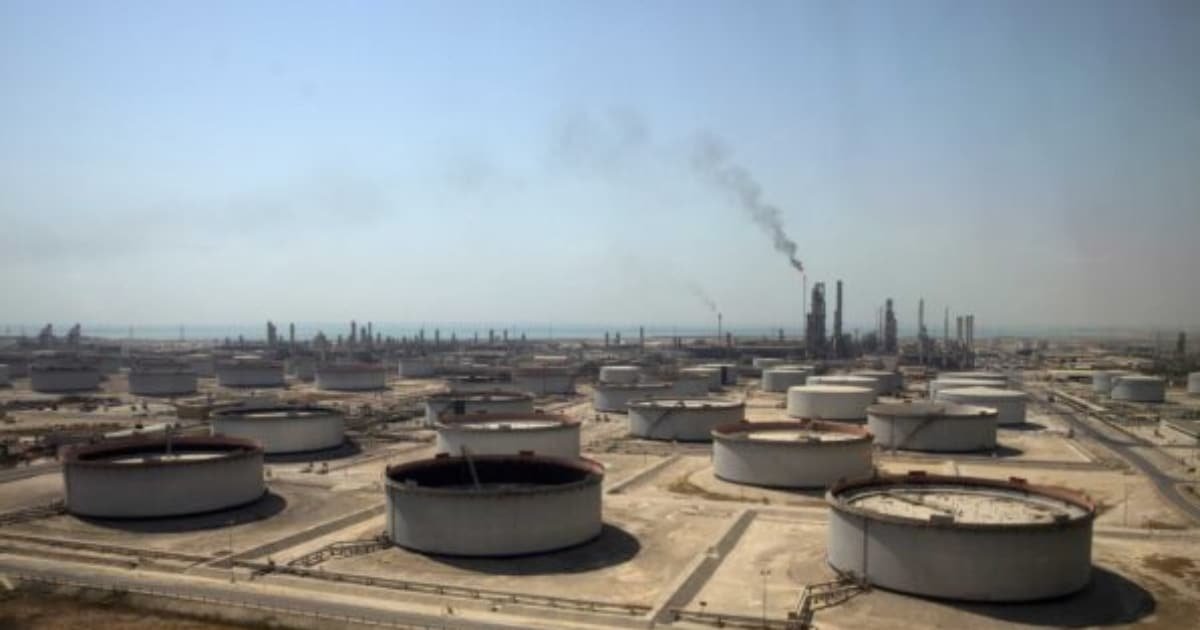





As of Friday morning, April 10, 2026, Saudi Arabia’s Ministry of Energy has confirmed that the country’s oil and gas infrastructure has suffered “severe damage” following a series of missile and drone strikes. These attacks have significantly crippled the Kingdom’s ability to export crude and refined products, just as a fragile two-week ceasefire between the U.S. and Iran was meant to stabilize the region.
The Toll on Production: 1.3 Million Barrels at Risk
The scale of the disruption has impacted both the extraction and the transport of Saudi oil:
- East-West Pipeline (Petroline): An attack on a primary pumping station has reduced the pipeline’s throughput by 700,000 barrels per day (bpd). This is a critical blow, as this pipeline is Saudi Arabia’s only export bypass for the currently blockaded Strait of Hormuz.
- Upstream Losses: Strikes on the Manifa and Khurais oil fields have cut the Kingdom’s production capacity by 300,000 bpd each, totaling a loss of 600,000 bpd in output.
- Human Cost: Official reports confirm one security staff member was killed and seven others were injured during the operations at these facilities.
Refineries and Exports Hit
Beyond raw crude, the Kingdom’s massive refining complexes—which provide fuel to global markets—were also targeted:
- Refining Sites: Disrupted operations were reported at SATORP (Jubail), Ras Tanura, SAMREF (Yanbu), and the Riyadh Refinery.
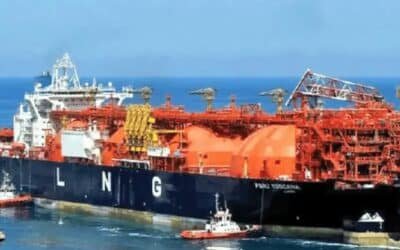
- Gas Exports: A fire at processing plants in Al Juaymah has curbed the production of Liquefied Petroleum Gas (LPG) and Natural Gas Liquids (NGL), threatening supply to Asian and European markets.
- Global Market Reaction: Brent crude futures rose by over 1% on Friday morning, trading near $96.83 per barrel, as traders realized the “ceasefire” has not stopped the attrition of global energy infrastructure.
The IMF says the world economy has been hit by another major shock and even a lasting peace in the Middle East will not bring a clean return to normal.
Kristalina Georgieva warned that the war has disrupted oil, gas and supply chains on a global scale, pushing up prices,…
— Thenationthailand (@Thenationth) April 10, 2026
The Failing Ceasefire
The attacks come at a confusing and volatile moment in the 41-day-old war:
- Timing of Attacks: Reuters reports that the strike on the East-West pipeline occurred just hours after the April 7 ceasefire was announced in Islamabad.
- The Hormuz Chokepoint: With the Strait of Hormuz still under a “near-total blockade” by Iran, the damage to the Petroline means Saudi Arabia has almost no remaining secure route to get its oil to the West.
- U.S.-Iran Status: While the U.S. has officially “halted hostilities” during the current Islamabad talks, the continued attacks on Saudi soil indicate that Iran’s regional allies (the Resistance Axis) may not be adhering to the truce.
You May Like To Read: Border Trade with Iran Continues Smoothly Despite Middle East Conflict
Check out our latest video: