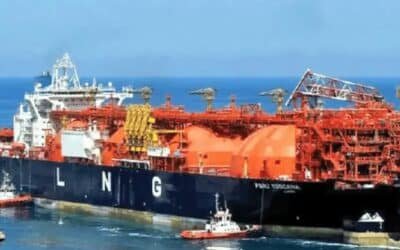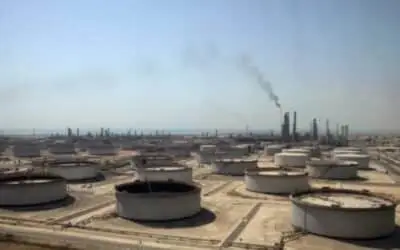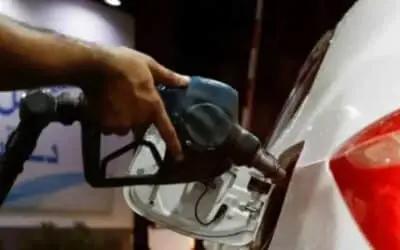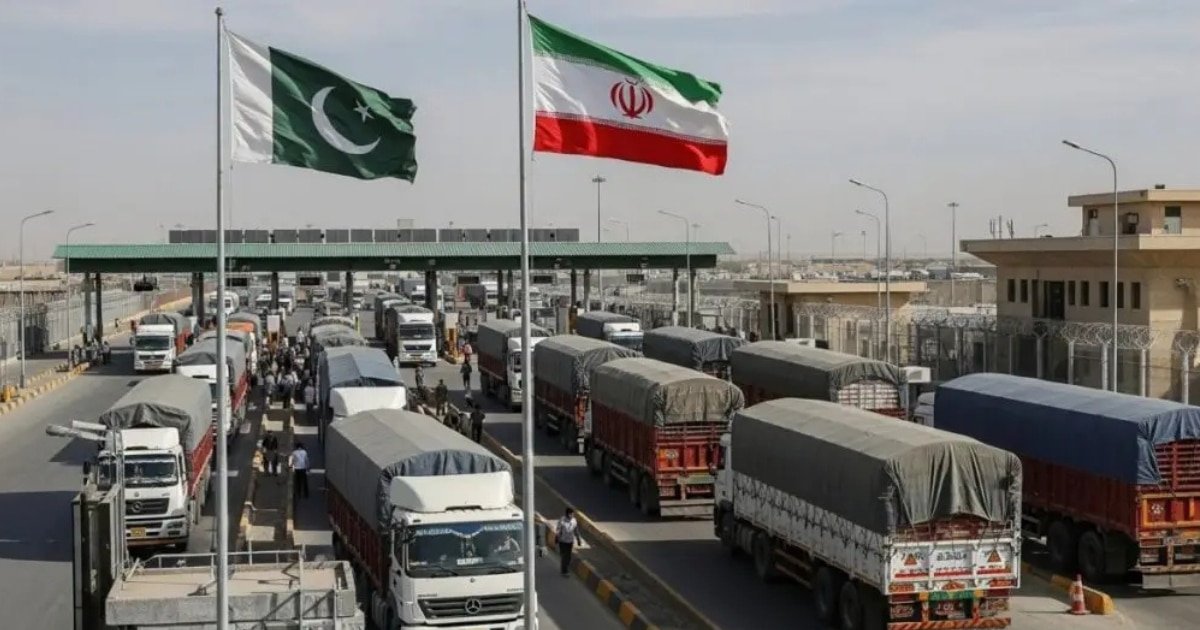





Quetta, Pakistan — Border trade between Pakistan and Iran, including the supply of Iranian oil, LNG, and electricity, has continued without major disruption through the Makran region despite the ongoing US-Israel war on Iran, according to officials and traders on March 24, 2026. The Taftan, Gabad, Mand, Panjgur, and other crossing points remain fully operational, allowing legal trade to proceed as usual. While initial reports suggested a temporary dip in fuel supplies after the conflict began, traders confirmed that petrol, diesel, and LNG are still arriving regularly by land and sea routes. Electricity supply from Iran to the three districts of Makran division — Gwadar, Panjgur, and Turbat — is also uninterrupted, ensuring reliable power to local communities.
Key Highlights
- Border trade with Iran, including oil, LNG, and electricity, continues normally through Taftan, Gabad, Mand, and Panjgur crossings.
- Iranian petrol and diesel supplies have resumed after a brief initial reduction; prices have risen modestly along the coastal belt.
- Electricity from Iran remains stable for Gwadar, Panjgur, Turbat, Pasni, and Jiwani areas.
- Food items such as cooking oil, flour, vegetables, fruits, and poultry continue to arrive from Iran without interruption.
- Local traders report that profiteering has pushed up prices in Quetta, where Iranian petrol is sold at Rs270–300 per litre compared to Rs130–170 in the Makran region.
Naveed Kalmati, chairman of the Gwadar Chamber of Commerce and Industry, confirmed that borders are open and trade is flowing smoothly. He noted that while the price of Iranian fuel has increased due to reduced supply and some hoarding, there is no shortage in the coastal areas. Muhammad Yousaf Kolanchi, a leading Iranian oil supplier in Gwadar, echoed this, saying supplies are arriving as usual by both land and sea.
A Qesco official also assured that power supply from Iran remains intact for the entire Makran division. Traders dealing in food items reported steady inflows of cooking oil, flour, sweets, vegetables, fruits, honey, eggs, and poultry.
The continuation of border trade despite the regional conflict demonstrates the resilience of economic ties between Pakistan and Iran. Local communities in Balochistan, particularly in the Makran region, continue to benefit from this cross-border commerce, which supports daily needs and livelihoods. The government is closely monitoring the situation to ensure smooth trade flows and to prevent any artificial shortages or price manipulation.
Pakistan remains committed to maintaining strong and mutually beneficial relations with Iran while safeguarding its own economic interests. The steady movement of goods across the border reflects the practical cooperation between the two neighbouring countries even in challenging times. Authorities are also taking steps to curb profiteering and ensure fair pricing for essential items, particularly in Quetta and other inland markets.
This development reassures citizens in border regions that essential supplies remain available. As the situation in the Middle East evolves, Pakistan will continue to balance its diplomatic and economic priorities while prioritising the welfare of its people.
You May Like To Read: Provincial Governments Roll Out Massive Fuel Conservation Plans
Check out our latest video: