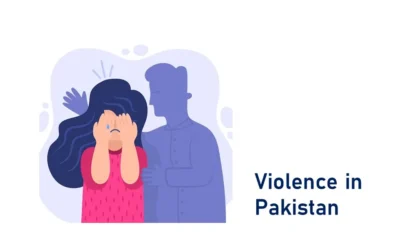





Cyberbullying, including online threats, defamation, cyberstalking, and harassing women through digital media, has exploded in Pakistan, especially among young people. As an example, more than 22 per cent of school-going students in Pakistan have reported experiencing cyberbullying. In contrast, reports indicate that more than 60 per cent of university students in Sindh have been involved in cyberbullying, either as a bully or a victim. Cultural stigmas and fear silence female students and professionals; the survey found that nearly half of the female lawyers surveyed never reported cyberbullying to authorities or their families. This leads to psychological effects such as anxiety and depression, feelings of worthlessness, and, in the worst cases, sadly, attempts at suicide.
Pakistan Legislative Arsenal
With the increasing trend of online bullying, Pakistan has enforced a strong legal system to thwart cyberbullying. Prevention of Electronic Crimes Act (PECA) 2016 is the linchpin of this campaign, which defines and criminalizes activities like cyberstalking, online harassment, defamation, and non-consensual uploading of personal content. PECA allows up to three years of imprisonment, or fines not up to PKR 1 million, or both. When children are abused, the punishments are more punitive, and they can go up to a five-year jail term and PKR 10 million fines.
Adding to this, the Protection of Women Against Violence Act (Punjab) 2016 follows up closely on cybercrimes against women by providing protective orders, legal assistance, shelter services, as well as establishing protection committees at the district level to provide speedy help and remedy.
FOSPAH is also essential because it provides victims with legal remedy (fast-track settlement of harassment cases), particularly in the workplace and other places in the community. More than 375 percent of complaints were registered compared to last year, due to public trust and awareness campaigns through FOSPAH. Moreover, in an important effort to modernize enforcement, a National Cyber Crimes Investigation Agency (NCCIA) was created in 2024 under PECA, replacing the FIA cybercrime wing’s responsibilities. The agency deals with cybercrimes, digital rights, and liaisons with national and international agencies to enhance cyber governance in Pakistan.
Apart from legislative and institutional frameworks, victim aid and community intervention are promoted in Pakistan. Punjab helpline or a free helpline operated by the Digital Rights Foundation, along with psychological or legal support offered by NGOs like Rozan, enable people to report incidents, seek assistance, and rebuild confidence. These measures reflect a comprehensive approach that emphasises both legal enforcement and addressing the psychosocial needs of victims of online abuse.
Enforcement in Practice
Pakistan has already made significant progress in implementing cybercrime laws through dedicated institutions and active initiatives. In May 2024, the establishment of the National Cyber Crimes Investigation Agency (NCCIA) based on PECA marked a major step towards centralising digital investigations. Since its creation, NCCIA has become operational rapidly with its successful raid on a child sexual exploitation network in Muzaffargarh.
Violence Against Women Centers (VAWCs) in Punjab, which were introduced as per the 2016 Protection of Women Against Violence Act, exist in 36 districts, where the victims receive legal services, shelter, and psychological support. Such centers are facilitated by digital services, such as the Punjab Police Women Safety App and Virtual Police Stations, which help to record a complaint and help to quickly respond.
These legal and institutional systems are supplemented by vigorous media campaigns and content control of the Pakistan Telecommunication Authority (PTA). This behavior is learned through the campaign launched by the PTA under the slogan: “Cyberbullying is a crime, not just a click. Think before you type. Report it. Stop it. Together, we can create a safer online space,” where citizens are informed about how to report cyber harassment and refuse to have certain content posted, both on its official website (PTA) and the official social media accounts.
Despite these efforts, challenges persist in addressing problems. Cultural stigma often deters women and youth from reporting online harassment due to fears of social backlash or victim-blaming. Numerous schools, provinces, and local governments lack the necessary infrastructure and training in digital literacy to implement policies successfully. As such, although enforced systems in Pakistan have improved over the last few years, continuous reform, civic engagement, and inter-agency collaboration are still crucial in breaking systemic as well as social barriers.
Conclusion
Cyberbullying and online harassment in Pakistan are addressed through a robust legislative framework that includes PECA, the Punjab Protection Act, and FOSPAH, NCCIA, alongside institutional, technological, and localised responses. The fact that PTA actively engages in regulation, mental health support, and outreach reflects a strategic progress.
Nevertheless, significant obstacles remain: social stigma, underreporting, shortages in educational and provincial resources, and the need to rebuild trust in enforcement efforts. Pakistan must boost digital literacy in schools, enhance support systems for victims, streamline inter-agency procedures, and empower survivors through awareness campaigns.
Pakistan is also progressing towards creating a safe, inclusive digital environment through stronger legal deterrents and a preventive culture, enabling younger generations and women to access digital spaces without fear, and reclaiming online spaces through knowledge and collective efforts.