


As the regional war continues to stifle global energy routes, Pakistan’s Petroleum Secretary, Hamed Yaqoob Sheikh, delivered a sobering but strategic briefing to the Senate Standing Committee on Monday, March 16, 2026. The government is now pivoting toward a “multi-channel” energy strategy to prevent a total shutdown of the transport and power sectors.
The “Hormuz Handshake”
While thousands of ships remain stranded, Pakistan has managed to open a narrow diplomatic window with Tehran.
🚨 Iranian FM Abbas Aragchi “State of Hormuz is closed for U.S , Israel and for their allies.
Those who are not the part of their alliance are warmly welcome to pass their vessels through the state of Hormuz .
Dubai #IranIsraelWar #iranwar #iran #dubai pic.twitter.com/yBPb8RQ7bI
— WorldAffairsNow (@worldaffairr) March 14, 2026
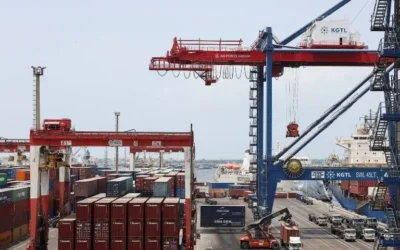
- The “Karachi” Transit: By broadcasting its AIS signal and sailing along the Iranian side of the Strait, the PNSC tanker Karachi successfully delivered its cargo without an escort.
- Standby Fleet: Four additional Pakistani vessels are currently “standing by” in the Gulf. If the ongoing talks with the Iranian military succeed, these ships could secure the country’s oil needs through mid-April.
- The Cost of Delay: Before the war, shipments took 4–5 days. Now, rerouting via the Red Sea takes 12 days, doubling the transit time and significantly increasing freight and insurance costs.
The Russian Oil Pivot
With the US granting a one-month sanctions waiver (from March 11) for Russian oil due to the global crisis, Pakistan is moving to capitalize:
- The Logistics: Large Russian tankers cannot dock at Pakistani ports. The plan involves trans-shipping the oil at Muscat, Oman, onto smaller vessels for the final leg to Karachi.
- Refinery Challenges: Local refineries warned that Russian crude produces more furnace oil and must be blended with Middle Eastern grades to be commercially viable for diesel and petrol production.
- Banking Hurdle: Currently, no major Pakistani bank is willing to open Letters of Credit (LCs) for Russian oil, leaving the government searching for a “workable financing mechanism” before the one-month waiver expires.
The Gas Crisis
The most alarming part of the Senate briefing concerned the country’s natural gas supply:
- Qatar Suspension: Out of 8 scheduled LNG cargoes for March, only 2 arrived.
- The “Azerbaijan” Contingency: Pakistan has a backup agreement with Azerbaijan, but the gas would be three times more expensive than the current Qatari contracts.
- Emergency Rationing Plan: To protect domestic kitchens, the government has proposed a shift in mmcfd (million cubic feet per day) allocations:
Emergency Gas Allocation Plan (March 2026)
| Sector | Previous Supply | Proposed Supply | Status |
| Domestic (Homes) | 399 mmcfd | 420 mmcfd | Prioritized |
| Power Sector | 18 mmcfd | 20 mmcfd | Slight Increase |
| Process Industry | 140 mmcfd | 120 mmcfd | Reduced |
| Captive Power | 82 mmcfd | 70 mmcfd | Reduced |
| Commercial | 10 mmcfd | 8 mmcfd | Reduced |
The Petroleum Secretary assured the committee that while the situation is tight, there is no immediate reason for panic-buying:
- Petrol: 27 Days
- Diesel: 21 Days
- Crude Oil: 11 Days
- Jet Fuel (JP-1): 14 Days
- LPG: 9 Days
Petroleum Secretary’s Verdict: “We have comfortable stocks for March, but the situation after April 14 depends entirely on the resumption of LNG shipments or the success of our Azerbaijani and Russian alternatives.”
You May Like To Read: Pakistan Braces for a 1.5% GDP Contraction
Check out our latest video: