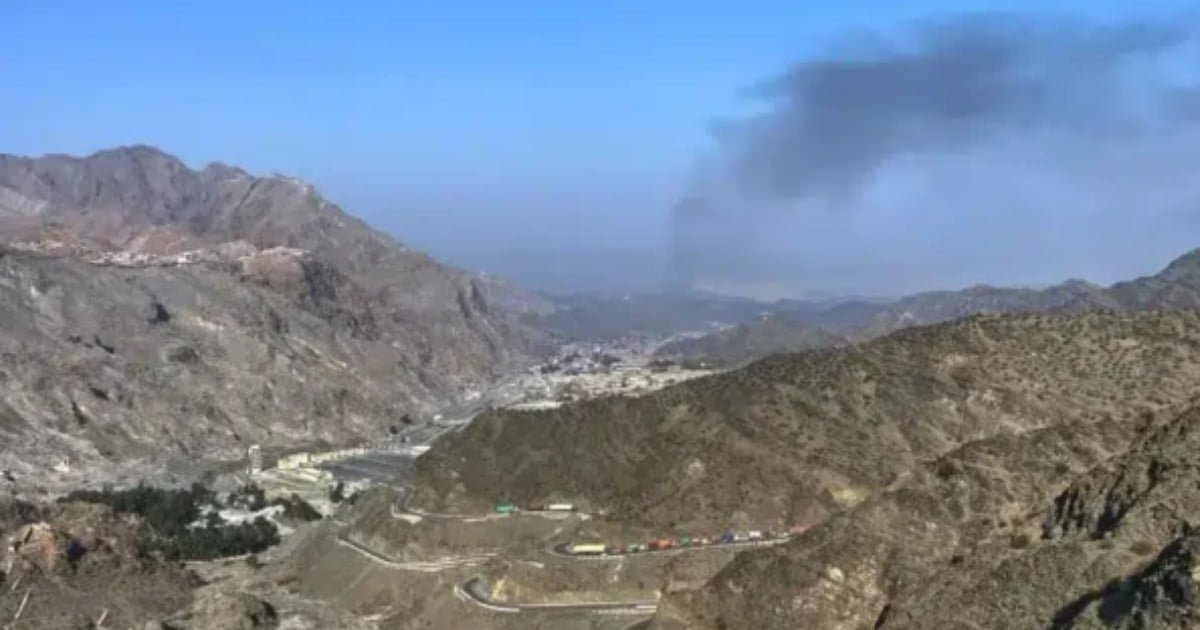





Tensions between Pakistan and Afghanistan reached a new peak today as the border conflict entered its third week. Following a wave of overnight airstrikes by the Pakistan Air Force, the Taliban government has accused Islamabad of “clear aggression” against civilian areas, while Pakistani military sources maintain that the strikes were surgical and targeted militant infrastructure.
Targets and Conflict Zones
The overnight operation focused on high-value military and logistical assets inside Afghanistan:
- Kabul: Strikes hit the Guzar area (District 21). Pakistani sources claim this was the headquarters of the Afghan Taliban 313 Corps, which they state was being used for cross-border operations.
- Kandahar: Missiles targeted the Tarawo training camp and a fuel storage facility near Kandahar airport belonging to the private airline Kam Air. The Taliban alleges this depot also supplies UN aircraft.
- Frontier Provinces: Continued aerial and artillery engagement was reported in Paktia, Paktika, Khost, and Kunar.
🚨🇦🇫 BREAKING
Afghan Taliban top leaders Corps Commander Mehrullah Hamad, Chief of Staff Hizbullah Afghan, and Deputy Commander Wali Jan Hamza have been KILLED in Pakistan’s MASSIVE airstrikes on Kandahar Taliban headquarters.
These were behind multiple suicide attack plans. pic.twitter.com/Ds54zoa7MG
— Zard si Gana (@ZardSi) March 12, 2026
The Humanitarian and Civilian Toll
The conflict, which intensified on February 26, is taking a heavy toll on the civilian population on both sides:
- Current Toll: With Friday’s reported deaths, the total verified death toll has risen to approximately 99 (including 72 civilians and 13 soldiers in Afghanistan, and 1 civilian and 13 soldiers in Pakistan).
- Displacement: Over 115,000 people have now been displaced by the fighting, according to the United Nations.
- International Concern: The UN Assistance Mission in Afghanistan (UNAMA) has expressed grave concern, noting that 55% of casualties recorded so far have been women and children.
The Regional Geopolitical Backdrop
The Pakistan-Afghanistan conflict is now being overshadowed and further complicated by the US-Israel-Iran war:
- Middle East Tension: Both Kabul and Islamabad have expressed concerns that the broader regional war could further destabilize their economies.
- Trade Disruptions: With the Iran-Afghanistan trade route increasingly uncertain due to the war in the Middle East and the Pakistan border largely closed, Afghanistan is facing a deepening humanitarian and supply crisis.
Strategic Stances
- Pakistan’s “Ghazab-ul-Haq”: Islamabad maintains that the operation is a necessary response to persistent attacks by the Tehreek-e-Taliban Pakistan (TTP), who they allege find safe haven in Afghanistan.
- Taliban Response: The Taliban government denies harboring militants and has labeled the conflict an “imposed war.” Spokesman Zabihullah Mujahid warned that the Taliban would respond to these “crimes.”
You May Like To Read: US Spends Staggering $11.3 Billion in First 6 Days of Iran War
Diplomatic and Military Forecast
Despite the high-intensity strikes, diplomatic channels remain thin. The UN Security Council met on March 9 to discuss the crisis, but no ceasefire has been brokered. With Eid-ul-Fitr approaching, there are mounting calls for a temporary humanitarian truce to allow civilians to move to safety and for aid to reach the 22 million Afghans currently in need.
Check out our latest video: