



The 1980s were a transitional decade for Pakistan. It was marked by the Soviet-Afghan War that was ravaging at its height on Pakistan’s western frontier. It was not just a contained conflict but a major war in which half of the world was involved directly or indirectly. Amidst this chaos, Pakistan was at the forefront, fighting against Soviet expansion. It was a special moment to gain strategic depth and secure itself in a hostile geopolitical environment. Pakistan’s top intelligence organization, the Inter-Services Intelligence (ISI), came into global prominence as they became the planners for a gigantic, clandestine proxy war against the Soviet Union. ISI would play this role for over a decade. This war imprinted itself on the foreign and security policy of Pakistan for years to come, for good and for ill.
You May Like To Read: August 1965 War Memories: The Role of PAF in Defending Lahore
The Genesis of a Proxy War and Strategic Depth
The Soviet invasion of Afghanistan in December 1979 was seen by Pakistan’s military, led by General Zia-ul-Haq at the time, as a threat to the country. A Soviet-backed, hostile government in Kabul in combination with the historic rivalry of Pakistan with India in the east was a recipe for disaster. Had the Soviets been victorious in Afghanistan, a nightmare situation of being bottled up on both sides would have been created for Pakistan. To counter this, Pakistan embraced the doctrine of ‘strategic depth’. This called for a military strategy which believed that a friendly and stable Afghanistan would give an additional layer of security to Pakistan’s western frontier. This strategic requirement of Pakistan fit perfectly within the Cold War agenda of the United States. The US was keen to defeat the Soviet Union by any means necessary. They found a willing collaborator in General Zia-Ul-Haq.

2/2/1983 President Reagan meeting with Afghan Freedom Fighters in the Oval Office to discuss Soviet atrocities in Afghanistan
Source: Wikipedia
The result was ‘Operation Cyclone’ which was a CIA-conducted operation to equip and finance the Afghan Mujahideen. Pakistan, however, had a clause of its own in this agreement i.e. ISI would remain the single, on-the-ground distributor of logistics and arms etc. The ISI’s leading role in this operation was fortified by this demand which allowed for their total discretion in channeling weapons and aid to whichever Mujahideen factions it chose.
Leading role of ISI and the Mujahideen
Under DG ISI General Akhtar Abdur Rahman and then General Hamid Gul, the ISI became the nerve center of anti-Soviet resistance. Pakistani academicians point out how this deal raised the global stature of Pakistan and gave it a strategic advantage. The ISI’s control over the aid pipeline allowed it to nurture certain Mujahideen commanders and factions that suited its longer-term strategic objectives while ridding those who were a threat to Pakistan’s own security.
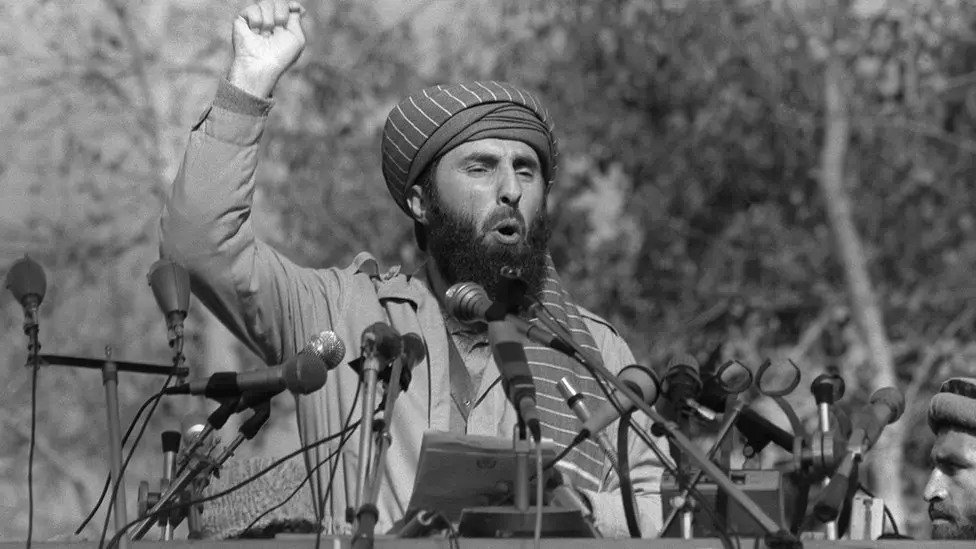
Source: BBC
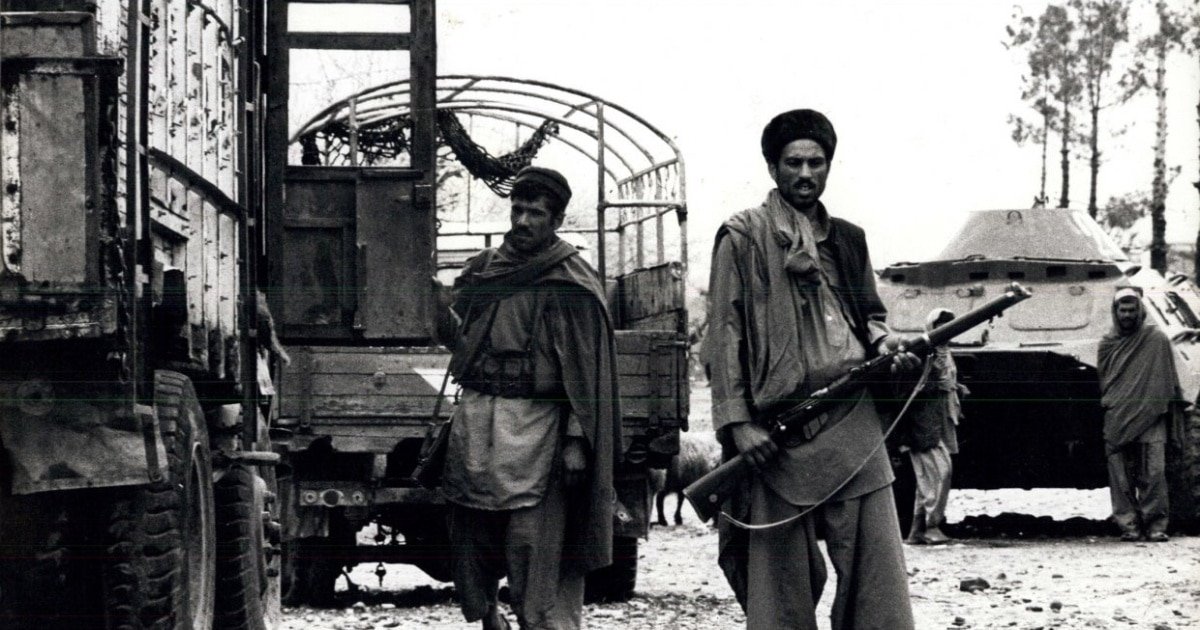
ISI chose specific Mujahideen groups over the other, the most notable being Gulbuddin Hekmatyar’s Hezb-e Islami. This decision was based on a couple of factors such as ideological likeness to Zia’s Islamization policies as well as the observation that these groups had the tendency to be more effective in advancing Pakistan’s long-term interests in Afghanistan in the wake of Soviet withdrawal. The ISI trained, armed, and sheltered tens of thousands of Afghan mujahideen fighters. This was a humongous task that was vital to the success of the Mujahideen.

Source: reddit
The Pakistani military’s role was not only restricted to intelligence and logistics but they were also part of covert operations. The Pakistan Army’s Special Services Group (SSG) carried out clandestine operations within Afghanistan while the Pakistan Air Force was involved in air battles against Soviet-supported Afghan forces. The arrival of more than three million Afghan refugees in Pakistan’s border provinces also offered a ready cache of potential recruits for the ISI. This proxy war, although being fought by Afghans on Afghan territory, was carefully planned and executed from Islamabad.
The Legacy of the Cold War and The Lessons Learned
The withdrawal of the Soviets in 1989 and the eventual fall of the Soviet-aligned Afghan regime were celebrated as a tremendous achievement by Pakistan and its allies and friends. The ISI was specifically mentioned and praised by numerous people, including internationally acclaimed writers such as Hein G. Kiessling in his book ‘Faith, Unity, Discipline: The Inter-Service Intelligence (ISI) of Pakistan’ as being more vital than the CIA in driving out the Soviets. The ‘strategic depth’ appeared to have been obtained.
While Pakistan’s fight against the Soviets ended in triumph, the Cold war left a lasting impact in the region. The proxy war had unpredictable and long-term implications. The militant parties that had been backed by the ISI during the war, now turned against one another. They fought amongst themselves and caused a vicious civil war in Afghanistan. Pakistan’s ongoing support in the 1990s of some of these factions, such as the Taliban, was a continuation of its strategic depth policy, that is, to have good relations with a friendly regime in Kabul. This policy, although quite effective, did have its drawbacks in some areas. The very militants that Pakistan had supported against the Soviets, became a source of instability. Some of these groups developed extremist ideologies which also spilled over the border and contributed to an upsurge in domestic terrorism.
Gen Hamid Gul during the days of Afghan Jehad. Shared by @awkhanchd pic.twitter.com/xBl7GyGc4X
— Ansar Abbasi (@AnsarAAbbasi) August 15, 2015
The 1980s had its lessons for Pakistan. It taught that while proxy warfare was an excellent weapon for securing short-term strategic gains, it was also a high-risk gambit. The absence of a holistic exit strategy as well as the long-term consequences of arming non-state actors were hard-learned lessons. There was no doubt about their efficacy but such financing such operations meant maintaining a delicate balance between control and utter chaos in the region. The strategic depth policy, while successful at first in a limited military context, caused instability that still haunts Pakistan-Afghanistan relations to date. It is a warning story of the way a geopolitical triumph can plant seeds of future war and how the pursuit of strategic gain may be gained at an expensive and enduring cost. Joining proxy wars is a risky business in itself, however, Pakistan had valid reasons to take part when it became a matter of its very existence.
You May Like To Read: Pakistan Launches Third Hangor-Class Submarine in China