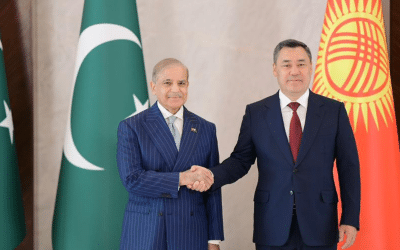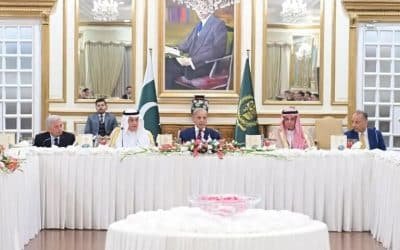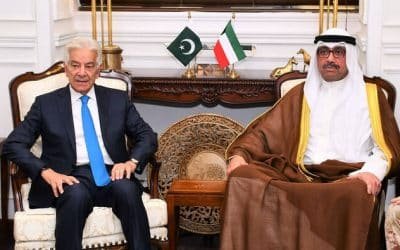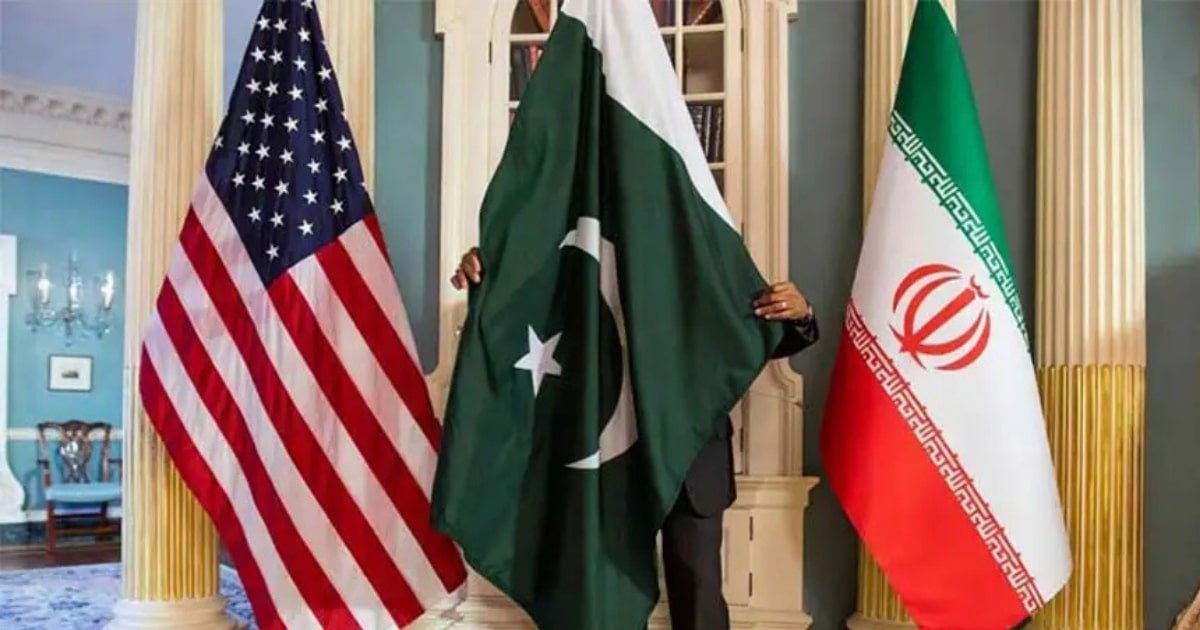



Islamabad, Pakistan — Pakistan has been actively involved in back-channel diplomacy alongside Turkey and Egypt to help reduce tensions between the United States and Iran, according to official sources on March 23, 2026. Prime Minister Shehbaz Sharif and senior officials have engaged in quiet efforts to bridge the gap between Washington and Tehran, focusing on preventing further escalation and promoting dialogue. The diplomatic push gained momentum as the conflict entered its fourth week, with Pakistan leveraging its trusted relationships in the region to encourage restraint and peaceful resolution. Sources described these efforts as going beyond routine crisis management and contributing to tangible progress toward reducing hostilities.
Geopolitical analyst Jan Achakzai explains how Pakistan is using its diplomatic relationships and strategic position in Islamabad to act as a backchannel between the US and Iran.#US #Iran #Pakistan @Jan_Achakzai @Leighanngerrans pic.twitter.com/0Q3y7Sl5RS
— Al Arabiya English (@AlArabiya_Eng) March 24, 2026
Key Highlights
- Pakistan, Turkey, and Egypt actively engaged in back-channel talks between the US and Iran to promote de-escalation.
- PM Shehbaz Sharif held a telephone conversation with Iranian President Masoud Pezeshkian, stressing urgent de-escalation and unity in the Muslim ummah.
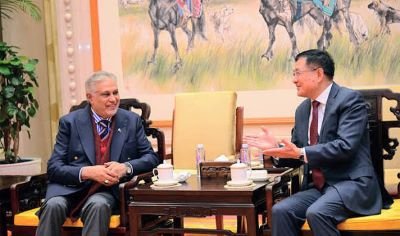
- Deputy Prime Minister Ishaq Dar also spoke with Iranian Foreign Minister Abbas Araghchi, emphasising dialogue for regional peace.
- Efforts focused on reopening shipping routes and finding a sustainable end to the conflict.
- Islamabad positioned as a potential venue for future talks, though no official confirmation yet.
Constructive Role as Regional Stabiliser
Pakistan’s diplomatic outreach reflects its consistent policy of acting as a responsible and net regional stabiliser. By maintaining open lines with both sides and coordinating with Turkey and Egypt, Islamabad has helped create space for indirect communication at a critical moment. Officials noted that these quiet efforts have already shown some progress in reducing immediate tensions and opening pathways for meaningful talks.
The official source stated, “Pakistan’s efforts reaffirm its role as a net regional stabiliser, leveraging its unique diplomatic position to shift the focus from confrontation toward meaningful dialogue.”The government has made it clear that Pakistan does not want its friends in the region to be drawn into deeper conflict. At the same time, Islamabad remains firmly committed to its own security interests and has consistently called on all parties to respect international law and avoid actions that threaten regional stability.
Pakistan Plays Key Role in Back-Channel Diplomacy for US-Iran De-Escalation https://t.co/I0tnOplSJj
— Aam Awaam (@hum_aam_awaam) March 24, 2026
Pakistan’s Balanced Approach
Pakistan’s leadership has balanced firm support for de-escalation with practical diplomacy. The recent high-level contacts, including conversations between senior officials, demonstrate a mature and proactive stance. While no direct talks between the US and Iran have been confirmed, the involvement of trusted regional players like Pakistan, Turkey, and Egypt has opened important channels for communication.
As the conflict continues to affect global energy supplies and regional security, Pakistan’s efforts are being recognised as a positive contribution toward reducing tensions. The nation remains hopeful that wisdom and dialogue will prevail, leading to a lasting and peaceful resolution that benefits the entire region.
Pakistan continues to stand ready to support any genuine effort for peace while safeguarding its own interests and the well-being of its people. Through calm, responsible diplomacy, the country is playing its part in steering the region away from further conflict and toward stability.
You May Like To Read: CDF Field Marshal Asim Munir Plays Pivotal Role in Back-Channel Diplomacy for Middle East De-Escalation
Check out our latest video: