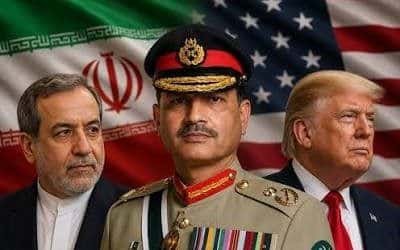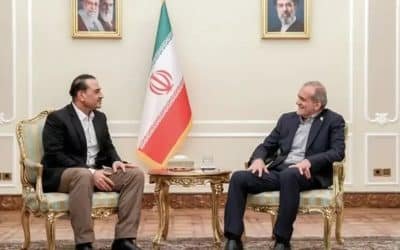




As Operation Epic Fury enters its third week, the closure of the Strait of Hormuz has transformed from a regional military hurdle into a global economic crisis. President Donald Trump’s latest interview with the Financial Times on Sunday, March 15, 2026, underscores a deepening rift between Washington and its traditional allies over who should bear the cost of policing the world’s most critical oil chokepoint.
I slowed it down so you can see “Benjamin Netanyahu” sip the coffee. Please analyze the before and after @grok and tell us if there is actually less coffee in the cup after he takes “a sip” 👀 pic.twitter.com/h3qusBisQK
— The AI Robot Guy on X (@HousebotGuy) March 15, 2026
The “Beneficiary” Argument
Trump’s core grievance is that the U.S. and Israel are doing the “heavy lifting” while countries that rely on Gulf energy remain on the sidelines.
- RECIPROCITY: Trump stated, “It’s only appropriate that people who are the beneficiaries of the Strait will help to make sure that nothing bad happens there.”
- NATO RELIANCE: He criticized European allies for relying on U.S. security while refusing to send ships, warning that the lack of support calls into question the very future of the alliance.
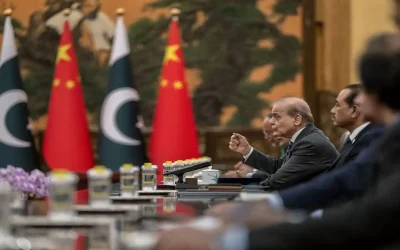
- CHINA’S STAKE: Trump singled out China as a primary beneficiary, suggesting that a planned high-stakes meeting with Xi Jinping later this month is now contingent on Beijing “clarifying its position.”
The Search for a “Minesweeping Coalition”
The U.S. military (CENTCOM) reports that while Iran’s conventional navy has been “annihilated,” the threat of naval mines and one-way attack drones persists in the narrow 21-mile-wide strait.
- The Request: The U.S. is specifically asking for minesweepers and special forces.
- UK Response: British ministers are reportedly considering sending aerial minesweeping drones as a compromise to help clear the waterway without escalating to a full naval presence.
- The “Short Work” Threat: Trump also warned of further strikes on Kharg Island, stating the U.S. could take out the remaining oil infrastructure “in five minutes” if the blockade continues.
Global Economic Fallout (Day 17)
The closure has paralyzed global energy logistics, leading to what the IEA calls the “largest supply disruption in history.”
- Oil Prices: Brent crude has stabilized somewhat at $112/barrel only after the IEA released an unprecedented 400 million barrels of emergency reserves on March 11.
- Strategic Reserves: Japan has officially begun releasing its strategic reserves as of Monday, March 16, but domestic pump prices in Spain, Germany, and the U.S. have already surged by over 25%.
- Supply Chain: Approximately 20 million barrels per day (mb/d) of oil and one-fifth of global LNG supplies are currently “trapped” or disrupted.
You May Like To Read: Drone Strike Sparks Fuel Tank Fire at Dubai International Airport, Flights Suspended
NATO’s Diplomatic Dilemma
For NATO allies like France and Germany, the dilemma is one of escalation. Complying with Trump’s demand could be seen as a formal entry into the war against Iran, whereas refusal risks a permanent fracture with a U.S. administration that has shown a willingness to withdraw support from the alliance.
| Country | Official Stance | Proposed Contribution |
| United Kingdom | Cautious | Considering minesweeping drones |
| France | Defensive Only | Possible mission after active conflict ends |
| Japan / Australia | Refused | Focusing on strategic reserve management |
| China | Undecided | Under pressure to secure 90% of its oil supply |
Check out our latest video: