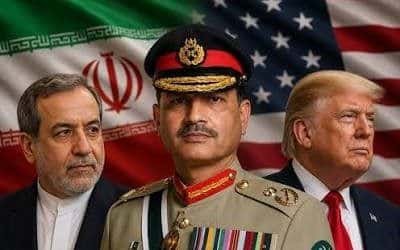





In a significant pivot reported by the Wall Street Journal on Tuesday, March 31, 2026, U.S. President Donald Trump has signaled his readiness to wind down the military campaign against Iran, even if the Strait of Hormuz—the world’s most critical oil chokepoint—remains closed to international shipping.
The “Six-Week” Timeline
The administration’s shift is driven by a desire to avoid a prolonged “forever war”,
In a significant pivot reported by the Wall Street Journal on Tuesday, March 31, 2026, U.S. President Donald Trump has signaled his readiness to wind down the military campaign against Iran, even if the Strait of Hormuz—the world’s most critical oil chokepoint—remains closed to international shipping. The “Six-Week” Timeline The administration’s shift is driven by a desire to avoid a prolonged “forever war”: Avoiding the Quagmire: Trump and his senior aides have assessed that a full-scale military operation to forcibly “pry open” the Strait would likely push the conflict far beyond his preferred 4-to-6 week timeline. The New Objective: Rather than focusing on the waterway, the U.S. priority has shifted to crippling Iran’s naval and missile capabilities. Once these are neutralized, Trump believes the U.S. can transition to a purely diplomatic and economic pressure campaign to force the Strait’s reopening. Allied Responsibility: If Tehran refuses to reopen the passage after hostilities end, Washington plans to pressure Gulf and European allies to take the lead in any maritime clearing operations. The 48-Hour Ultimatum and “April 6” Deadline Despite the talk of ending the war, the President’s public rhetoric remains extremely aggressive: Infrastructure Threat: Trump recently issued a 48-hour ultimatum (originally set for March 21 and then extended) threatening to “hit and obliterate” Iranian power plants and basic infrastructure if the Strait was not opened. The Final Date: The current “hard deadline” for a diplomatic breakthrough is April 6, 2026. If no agreement is reached at the Islamabad Summit by this date, Trump has threatened to target Iran’s national power grid and water systems. The “Ground Option”: While Trump prefers an early exit, he is simultaneously weighing a complex mission to seize Iran’s enriched uranium reserves in Isfahan and Natanz, a move that would require a temporary ground presence.
- Avoiding the Quagmire: Trump and his senior aides have assessed that a full-scale military operation to forcibly “pry open” the Strait would likely push the conflict far beyond his preferred 4-to-6 week timeline.
- The New Objective: Rather than focusing on the waterway, the U.S. priority has shifted to crippling Iran’s naval and missile capabilities. Once these are neutralized, Trump believes the U.S. can transition to a purely diplomatic and economic pressure campaign to force the Strait’s reopening.
- Allied Responsibility: If Tehran refuses to reopen the passage after hostilities end, Washington plans to pressure Gulf and European allies to take the lead in any maritime clearing operations.
The 48-Hour Ultimatum and “April 6” Deadline
Despite the talk of ending the war, the President’s public rhetoric remains extremely aggressive:
- Infrastructure Threat: Trump recently issued a 48-hour ultimatum (originally set for March 21 and then extended) threatening to “hit and obliterate” Iranian power plants and basic infrastructure if the Strait was not opened.
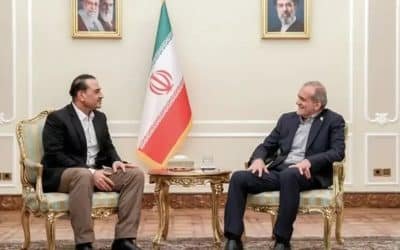
- The Final Date: The current “hard deadline” for a diplomatic breakthrough is April 6, 2026. If no agreement is reached at the Islamabad Summit by this date, Trump has threatened to target Iran’s national power grid and water systems.
- The “Ground Option”: While Trump prefers an early exit, he is simultaneously weighing a complex mission to seize Iran’s enriched uranium reserves in Isfahan and Natanz, a move that would require a temporary ground presence.
The Wall Street Journal reports that Donald Trump is open to ending the Iran war without reopening the Strait of Hormuz, and has told aides he may withdraw if the strait stays blocked. #donaldtrump #straitofhormuz #US #israel #iran #iranwar #middleeast #news pic.twitter.com/XzuqU6OCEW
— World Worth (@worldworth_) March 31, 2026
You May Like To Read: Islamabad as the Bridge to Peace, US-Iran Formal Talks Confirmed
Check out our latest video: