


ISLAMABAD: The United Nations Economic and Social Commission for Asia and the Pacific (UN-ESCAP) will provide policy advisory and technical support to Pakistan to help develop its Energy Transition Investment Plan (ETIP), aimed at facilitating a shift towards cleaner and more sustainable energy sources.
According to UN-ESCAP, the support follows a formal request from the Government of Pakistan. A scoping mission by the UN body recently visited the country and held consultations with relevant ministries and development partners to assess Pakistan’s needs, challenges and opportunities related to energy transition financing. The mission helped identify potential entry points for building a robust ETIP while mapping constraints that could affect its implementation.
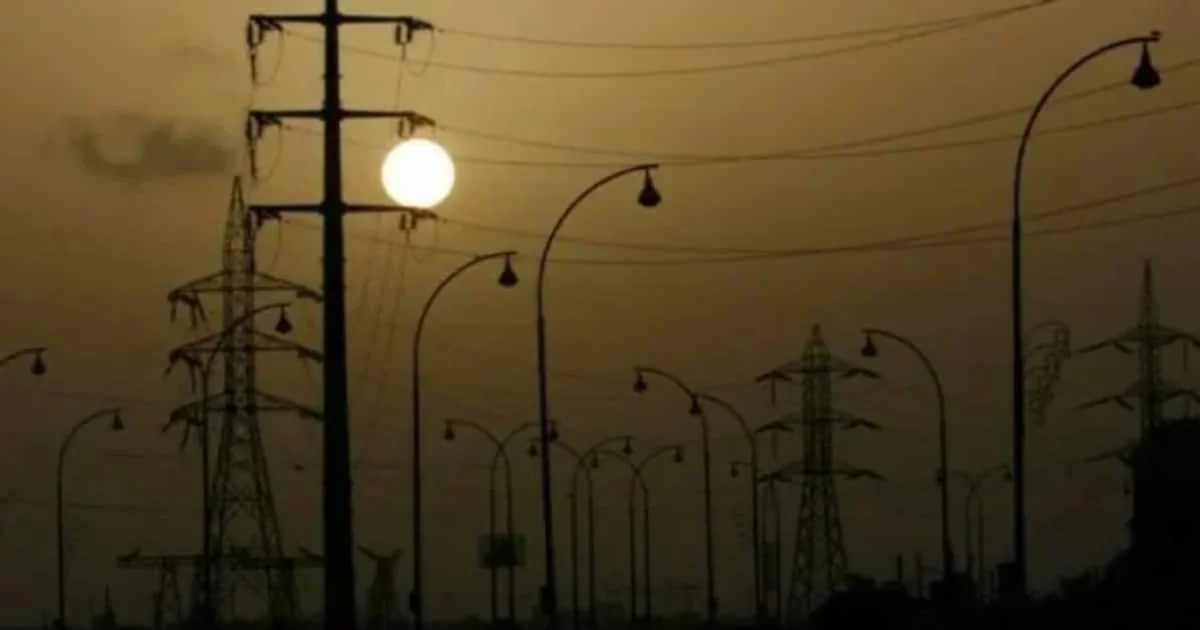
Pakistan’s energy transition is seen as critical for strengthening economic resilience, meeting climate commitments and improving fiscal stability. The country remains heavily dependent on imported fossil fuels, including oil, liquefied natural gas and coal, which dominate its power generation mix. This reliance has contributed to persistent energy security challenges and a circular debt crisis that has exceeded Rs2.6 trillion, highlighting the urgency of transitioning to renewable energy sources to meet future demand, particularly by 2030.
However, progress towards cleaner energy has been hindered by several factors, including policy inconsistencies, entrenched fossil fuel dependence and limited access to concessional financing. UN-ESCAP noted that these constraints have slowed the pace of renewable energy adoption despite Pakistan’s significant potential in solar, wind and hydropower.
You May Like To Read: LG elections in Islamabad likely to face fresh delay after legal amendments
Under the proposed ETIP framework, Pakistan could work to attract green foreign direct investment and expand the use of blended finance models that combine public, private and philanthropic funds. Such approaches are intended to help de-risk projects and unlock private capital. Concessional financing instruments, including low-interest loans and guarantees, are considered essential to improving the financial viability of renewable energy projects, particularly in underserved and remote areas.
Pakistan’s energy mix remains heavily skewed towards fossil fuels, with imported oil, LNG, and coal dominating the power generation landscape.https://t.co/9miT6tn7Lk
— Dawn.com (@dawn_com) January 5, 2026
UN-ESCAP also highlighted the need to build on Pakistan’s existing efforts in green financing, such as Green Eurobonds, Panda Bonds and Green Sukuk, as well as innovative pay-as-you-go models. In addition, greater attention is required to ensure that financing supports grid modernisation, which is critical for addressing circular debt and integrating distributed solar and battery storage systems into the national grid.
Through its Financing Energy Transition (FET) programme, UN-ESCAP has previously provided technical assistance to countries such as Indonesia, the Philippines and Vietnam. The organisation said it is ready to extend similar support to Pakistan, drawing on its expertise in integrated energy planning, capacity building and scenario analysis.
UN-ESCAP added that its support could contribute to improving Pakistan’s national energy mix, enhancing industrial competitiveness and advancing progress towards net-zero emissions, while leveraging financial tools such as green bonds and carbon markets.
Check out our latest video: