



ISLAMABAD — November 15, 2025: Short-term inflation continued its upward climb as the Sensitive Price Index (SPI) rose 4.15 per cent year-on-year for the week ending Nov 13, driven mainly by surging food prices and supply disruptions. Data released by the Pakistan Bureau of Statistics on Friday showed that weekly inflation has now increased for 15 consecutive weeks, sustaining pressure on household budgets already stretched by persistent food and energy costs.
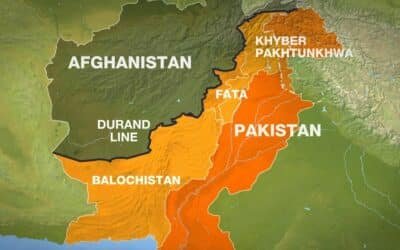
On a week-on-week basis, the SPI increased 0.53pc, reflecting widespread price hikes in edible oil, sugar, perishable vegetables and liquefied petroleum gas (LPG). Officials attributed the sharp rise in vegetable prices — particularly tomatoes, onions and potatoes — to disruptions in supply chains caused by the closure of the Pakistan-Afghanistan border, which traditionally serves as a major trade route for agricultural produce.
The market also saw an “extraordinary spike” in sugar and meat prices, with traders reporting limited supply and higher transportation costs in recent weeks. The price of meat, in particular, has shown a steady increase week after week, further inflating food expenses for middle- and low-income households.
According to weekly data, chicken prices surged by 20.33pc, the highest increase among monitored items. Tomatoes rose by 12.03pc, bananas by 2.32pc, LPG by 1.97pc, and potatoes by 1.08pc. Cooking oil, firewood, beef, mutton and several pulses also registered mild increases.
At the same time, some commodities witnessed minor relief. Onion prices dropped by 6.65pc, while pulse gram, gur, sugar, wheat flour and several pulses recorded modest declines compared to the previous week. However, these reductions were insufficient to offset the cumulative price pressure driven by essential food items.
Besides prices of tomatoes, onions and potatoes rising due to border closure, edible oil and sugar are also costlier in the domestic market.https://t.co/VLN6zyo683
— Dawn Business (@dawn_business) November 15, 2025
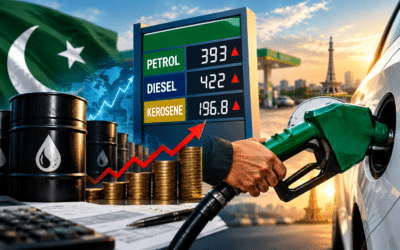
Despite short-term fluctuations, annual comparisons showed a stark inflationary trend. Items with the largest year-on-year increases included ladies’ sandals (55.62pc), sugar (40.25pc), gas charges for Q1 (29.85pc), wheat flour (18.70pc), beef (14.29pc) and vegetable ghee (10.93pc). Diesel and cooking oil also remained significantly more expensive.
You May Also Like: Punjab Halts Renewal, Computerisation of Manual Arms Licences Ahead of De-weaponisation Drive
Conversely, garlic prices declined by 36.29pc over the year, while electricity charges, tomatoes, potatoes, tea and several pulses also showed marked decreases.
The SPI tracks 51 essential items across 50 markets in 17 cities, offering a rapid snapshot of inflationary pressure. This week’s reading shows that prices of 15 items increased, 12 decreased, and 24 remained stable — a mixed trend that nevertheless points to sustained inflation largely driven by food insecurity and supply chain shocks.
Economists warn that unless supply routes stabilise and administrative measures curb market manipulation, food-driven inflation may continue to weigh heavily on households through the winter months.
Check out our latest video: