


A monumental moment for Pakistani art has unfolded on the global stage. Renowned contemporary artist Amin Gulgee has achieved a historical feat in the United Kingdom, with his artwork becoming the first-ever permanent work by a Pakistani artist to be formally inducted into the prestigious Oxford Centre for Islamic Studies (OCIS) collection.
This isn’t just an acquisition; it’s a permanent cultural bridge, cementing Pakistan’s contemporary artistic voice within one of the world’s most influential academic institutions.
A Message in Metal and Calligraphy
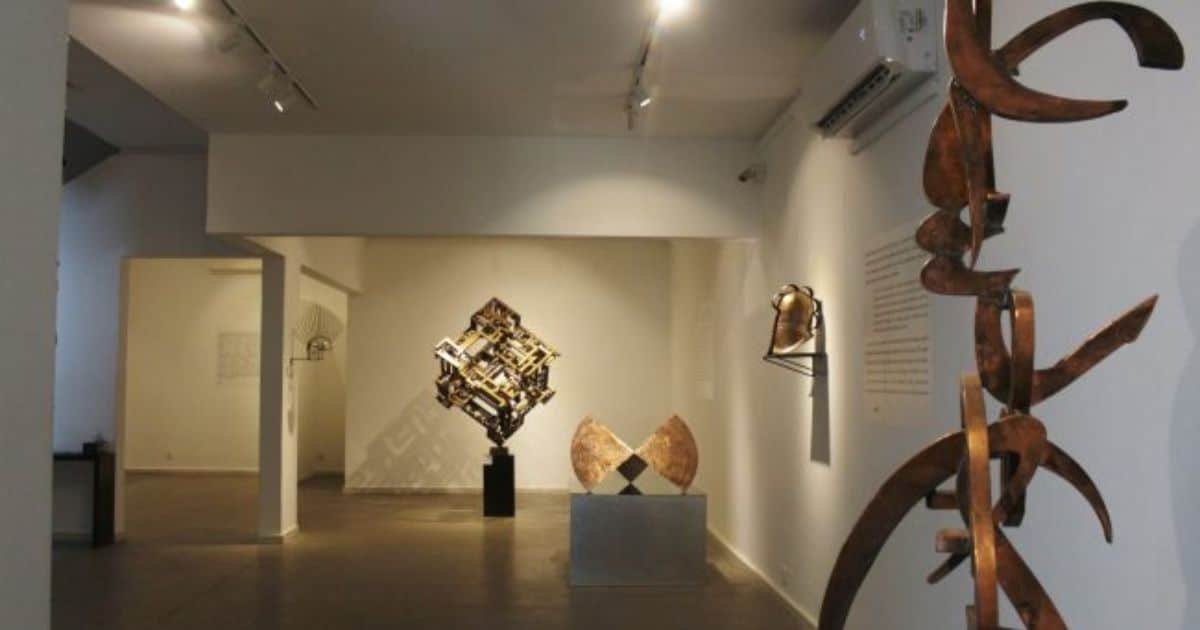
The gifted piece, taken from Gulgee’s acclaimed Zero Gravity II series, is a stunning fusion of faith, philosophy, and sculptural innovation.
The work is a testament to Gulgee’s signature style: complex, energetic, and built around a profound core. It is crafted in his signature deconstructed Naskh calligraphy, taking the foundational words of the fifth verse of Surah Al-Alaq and translating them into a dynamic, three-dimensional form.
The inclusion of the sculpture in the OCIS collection is more than an aesthetic choice; it’s a symbolic one. It places the dynamism of modern Pakistani creativity at the heart of an institution dedicated to fostering global dialogue and understanding of Islamic culture.
Securing a Permanent Place
The Oxford Centre for Islamic Studies is a recognized hub for scholars, diplomats, and leaders, acting as a bridge between the Islamic world and the West. For an artist known for his fluid, often abstract engagement with calligraphy, having his work permanently displayed here offers unmatched visibility.
Gulgee’s sculpture now joins a carefully curated selection of global artifacts and artworks, offering visitors, from students to heads of state, a daily, powerful reminder of the artistic depth and modern interpretation emanating from Pakistan.
This landmark achievement is not only a personal triumph for Amin Gulgee but a matter of national pride, securing a permanent and distinguished place for Pakistani contemporary art within the global cultural discourse. It underscores the nation’s growing contribution to the visual arts, proving that its most compelling stories are being told not just on canvas, but through metal, light, and history.
You May Like To Read: From Yorkshire Floods to Mangla Dam: A Pakistani Artist’s Vision of Global Water