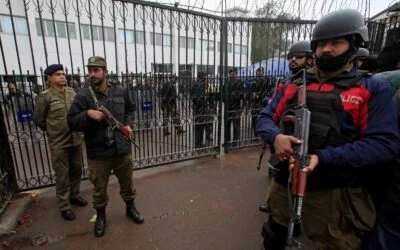




The border conflict between Pakistan and the Afghan Taliban administration has entered a new phase of high-intensity warfare. According to reports released today, Monday, March 16, 2026, the Pakistan Army has shifted to using advanced guided missile technology to dismantle the tactical infrastructure used by militants for cross-border incursions.
Precision Strikes in the Bajaur Sector
The Bajaur sector has seen intense activity recently, but today’s operation was described as “decisive.”
- Targeting Infrastructure: The operation focused on posts directly adjacent to the Pak-Afghan border. These posts were reportedly being used to coordinate mortar fire and drone launches against Pakistani civilian populations.
- Guided Missile Capability: By deploying guided missiles, the Pakistan Army has demonstrated a capability to strike fortified bunkers and observation posts with extreme accuracy, even in the rugged terrain of the frontier.
- Total Destruction: Security sources confirm that the targeted posts have been “completely leveled,” effectively blinding the Afghan Taliban’s tactical oversight in this specific sector.
🇵🇰🇦🇫⚡– Pakistan is pursuing its war against the Afghan Taliban and its allies at the border, targeting checkpoints at the border and bases deep inside Afghan territory. pic.twitter.com/IPh2g8yGXu
— ALERT X (@ALERTX360) March 15, 2026
Broader Scope of Operation Ghadb-ul-Haq
The strikes in Bajaur are part of a wider campaign that has spanned multiple sectors over the last 48 hours:
- Kandahar & Chitral: Previous strikes have targeted underground tunnels in Kandahar and militant hideouts near the Badini check post in the Chitral sector.
- Fitnat al-Kharij (TTP): A primary objective remains the dismantling of the TTP’s “command and control” nodes that Pakistan alleges are operating under the protection of the Afghan Taliban.
- Retaliatory Warning: This escalation follows yesterday’s tragic incident where Afghan Taliban mortar fire killed four Pakistani civilians in Bajaur. Today’s missile strikes serve as both a military necessity and a powerful deterrent.
Regional and Domestic Impact
For residents in Faisalabad and other urban centers, the escalation highlights the seriousness of the national security state:
- Airspace Vigilance: The use of missiles near the border reinforces why international flight operations at Faisalabad (LYP) and Lahore remain disrupted.
- Internal Security: The ISPR has increased surveillance in cities like Rawalpindi and Peshawar to prevent any “blowback” or retaliatory terror attempts following these high-profile border successes.
Tactical Escalation
| Phase | Weaponry Used | Objective |
| Initial Phase | Traditional Artillery & Small Arms | Border containment and defense. |
| Middle Phase | Drone Interceptions & Airstrikes | Neutralizing aerial threats and supply depots. |
| Current Phase | Guided Missiles | Precision destruction of fortified border infrastructure. |
You May Like To Read: Nehal Hashmi Sworn In as Sindh Governor Amid Coalition Friction
The Diplomatic Window
While the military continues its “decisive” action, the Chinese mediation offer remains on the table. However, with the destruction of these border posts, Pakistan is entering any potential negotiation from a position of significantly enhanced tactical strength.
Check out our latest video: