

ISLAMABAD / KABUL — The diplomatic landscape between Pakistan and Afghanistan has undergone a radical transformation since the U.S. withdrawal in August 2021, moving from a period of “cautious engagement” to a state of direct military confrontation by early 2026. As the trilateral mechanism in Urumqi attempts to de-escalate the current “Operation Ghazab lil-Haq,” a look at the past five years reveals a cycle of broken ceasefires and escalating cross-border friction.
The Bilateral Trajectory: From Mediation to Confrontation
Phase I: The Optimism Period (Aug 2021 – May 2022)
Following the Taliban’s takeover, Pakistan initially served as a primary diplomatic bridge. High-level visits focused on border management and the release of TTP prisoners.
-
The First Truce: In late 2021, the Afghan Taliban mediated a month-long ceasefire between Islamabad and the TTP. The talks collapsed in December after the TTP refused to accept the Pakistani Constitution.
-
The Kabul Jirga: In June 2022, a grand jirga of Pakistani tribal elders traveled to Kabul. While a temporary truce was reached, violence spiked by late 2022 as the TTP officially ended the ceasefire.
Phase II: The Evidence & Denial Stage (2023 – 2024)
As terrorist attacks surged in Khyber Pakhtunkhwa, the rhetoric sharpened.
-
The “Irrefutable Evidence” Visit: In February 2023, Pakistan’s Defense Minister and DG ISI visited Kabul, presenting evidence of TTP sanctuaries. Kabul maintained its stance that the TTP is a “homegrown Pakistani problem.”
-
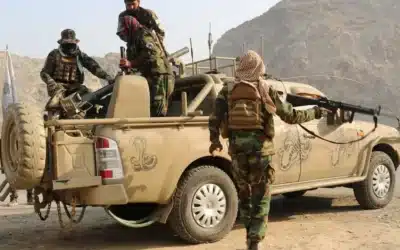
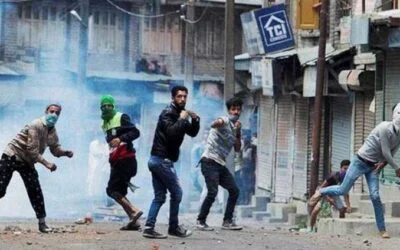
Border Skirmishes: Frequent clashes occurred along the 2,640km Durand Line as the Taliban continued to challenge Pakistan’s border fencing.
Update on Pakistan – Afghanistan Dialogue, Istanbul – October 2025
Ever since the assumption of control in Kabul, Pakistan has repeatedly engaged with the Afghan Taliban Regime regarding persistent cross border terrorism by Indian-abetted Fitna al Khwarij (TTP) and Indian proxy,…
— Attaullah Tarar (@TararAttaullah) October 28, 2025
Phase III: Escalation to Kinetic Action (Oct 2025 – March 2026)
The security situation reached a breaking point in late 2025.
-
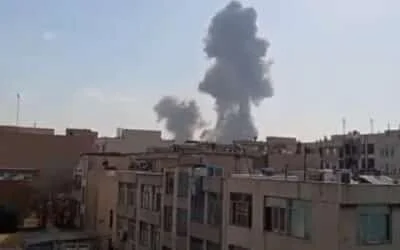
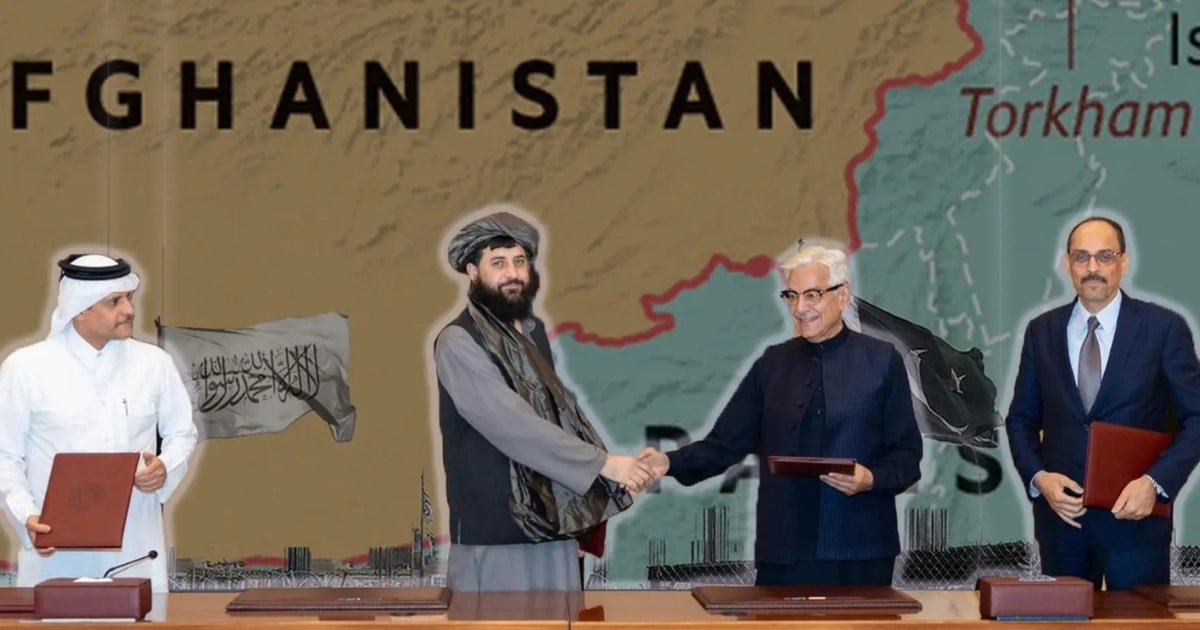
The Breaking Point: Following a series of high-intensity suicide attacks, Pakistan launched significant retaliatory strikes. Brief ceasefires mediated by Qatar and Türkiye failed to hold.
-
Operation Ghazab lil-Haq: On February 27, 2026, Pakistan initiated a full-scale military operation into Afghan territory following a major suicide attack. This led to a total severance of diplomatic ties until this week’s Chinese intervention.
The Trilateral Safety Net: Pakistan-Afghanistan-China
The trilateral framework has emerged as the only functional diplomatic “safety net” to prevent a full-scale regional war.
-
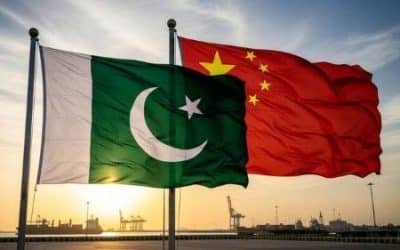
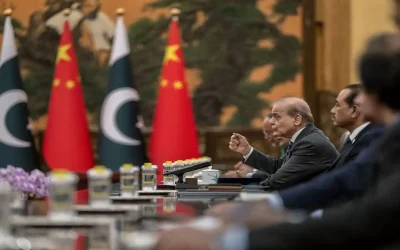
Beijing Meeting (May 2025): Re-established basic diplomatic ties and discussed extending CPEC into Afghanistan as an economic incentive for Kabul to curb militancy.
-
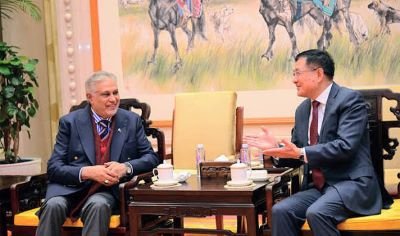
The Kabul Dialogue (August 2025): Foreign Ministers Wang Yi, Ishaq Dar, and Amir Khan Muttaqi discussed a roadmap for “Security through Development.” Pakistan demanded a “verifiable mechanism” to track TTP movements.
-
Urumqi Exploratory Talks (Official Confirmation Awaited) (April 1, 2026): In the wake of the 2026 border war, junior-level officials met in China. Kabul reportedly showed its first signs of willingness to discuss a “verifiable mechanism” regarding the TTP and ETIM in exchange for a cessation of Pakistani airstrikes.
🚨 Pakistan is open to talks with Afghanistan, but will not change its policy of targeting terrorist hideouts, diplomatic sources say.
Junior-level Pakistan–Afghanistan talks are set to begin in Urumqi, China. An Additional Secretary-level Foreign Office official has been…
— Azaz Syed (@AzazSyed) April 1, 2026
Core Disputed Zones: A Summary
Issue Pakistan’s Position Kabul’s Stance The TTP An “Afghan-based” proxy targeting Pakistan. A domestic Pakistani political issue. The Durand Line A permanent international border. An unrecognized colonial-era boundary. CPEC & ETIM Vital for regional economic stability. A bargaining chip for international recognition. Indian Influence Wary of New Delhi’s footprint in Kabul. Seeks “independent” regional partnerships.
While the technical frameworks for monitoring “Fitna al Khawarij” (TTP) and ETIM are on the table, the historical record suggests that without a fundamental shift in Kabul’s ideological alignment with the TTP, the cycle of de-escalation and confrontation is likely to persist.
-
You May Like To Read: The Afghan Taliban regime’s support and patronage of the Khawarij Exposed
Check out our latest video: