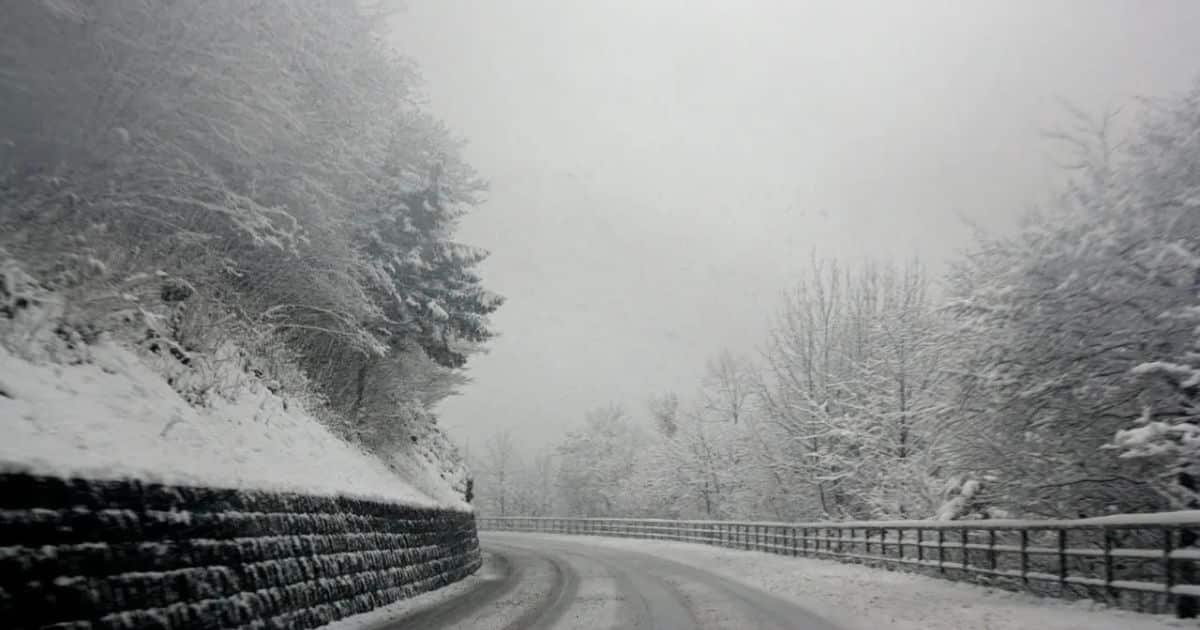





October 14, 2025 — ISLAMABAD: Pakistan is expected to face one of its coldest winters in decades, driven by the La Niña climate pattern, according to a UN-OCHA situation report. The phenomenon is likely to bring colder-than-normal temperatures, particularly impacting communities in Khyber Pakhtunkhwa (KP) and Gilgit-Baltistan (GB), still recovering from recent floods.
La Niña is a natural climate pattern that occurs when the surface waters of the central and eastern Pacific Ocean become cooler than normal. This shift affects wind and weather systems around the world, often leading to colder winters and changes in rainfall in many regions. In Pakistan, La Niña can cause below-normal temperatures, less rainfall in the north, and sometimes heavier rain in the south, influencing farming cycles, health risks, and overall weather patterns.
Highlights
- La Niña and negative ENSO phases to shape extreme weather.
- KP and GB are expected to face the harshest winter conditions.
- Anticipated impacts include disrupted crop harvesting, higher GLOF risk, and health concerns.
- Humanitarian capacity has declined post-floods, raising concerns for winter response.
The report notes that below-normal rainfall is expected in northern Punjab, KP, AJK, and GB, while southern regions may receive near-normal precipitation. Anticipated effects include disruptions to Kharif harvesting, increased dengue and waterborne disease risks, reduced river inflows, and smog escalation in plains.
What is La Niña and How Could It Bring the Coldest Winter to Pakistan?https://t.co/dMk5117Bb3#LaNina #PakistanWeather #WinterAlert #ClimateUpdate #FoodSecurity #UNReport #PakistanFloods #ColdWave #WeatherNews #ClimateRisk pic.twitter.com/eZDoq7oyXg
— Latest News Official (@latestnews_off) October 14, 2025
Floods earlier this year inundated 1.2 million hectares of farmland, damaged key crops, and destroyed over 229,000 homes, worsening food insecurity and limiting shelter options. With response capacity diminishing and winter approaching, humanitarian agencies warn of heightened vulnerabilities in affected areas.
You May Like To Read: TLP Long March Turns Violent: SHO Martyred, 48 Security Personnel Injured in Police Operation