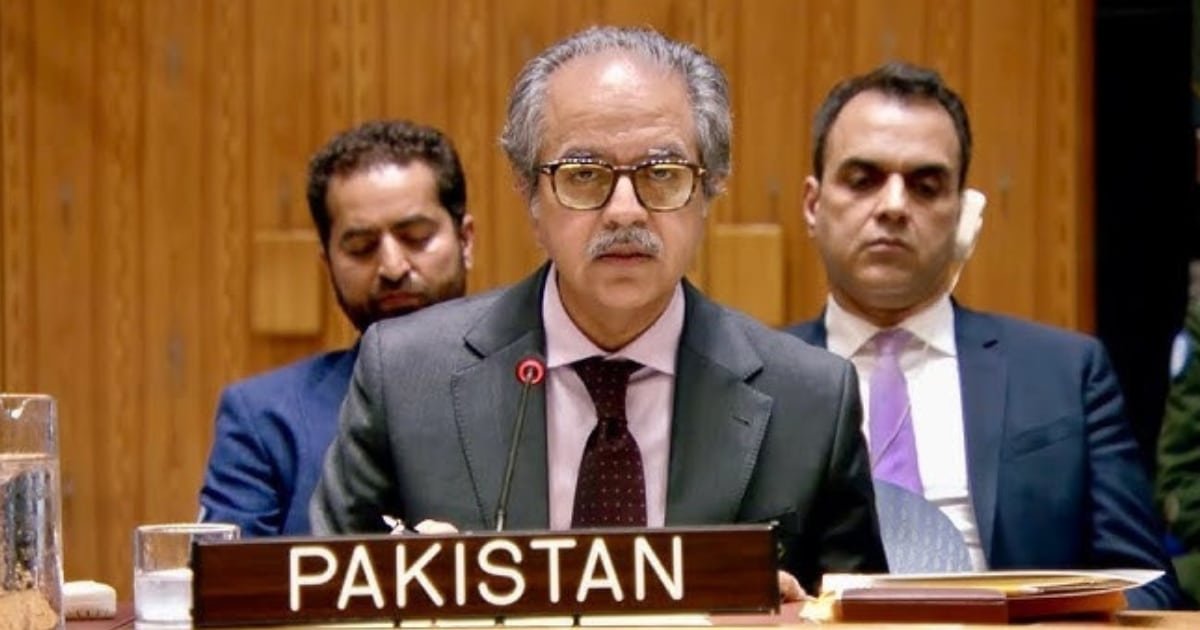





UNITED NATIONS, NEW YORK (April 25, 2026) — At a high-level panel organized by the Permanent Mission of Pakistan, global security experts and UN diplomats issued a stark warning regarding the evolution of modern terrorism into a decentralized, technology-driven phenomenon. The discussion, held in collaboration with the UN Office of Counter-Terrorism (UNOCT), highlighted how extremist networks are increasingly leveraging artificial intelligence (AI), encrypted platforms, and digital currencies to bypass traditional regulatory frameworks. Pakistan’s Permanent Representative, Asim Iftikhar Ahmad, emphasized that the “fast-evolving” threat landscape now includes a dangerous convergence of technological tools with rising ideological extremism, including xenophobia and religious intolerance, which complicates global monitoring and sanctions regimes.
Press Release
Pakistan–UNOCT Event at UN Highlights Evolving Terrorism Threats, Urges Global Action on AI, Digital Platforms and Crypto Financing
United Nations, 24th April 2026:* The Permanent Mission of Pakistan, together with the United Nations Office of Counter Terrorism… pic.twitter.com/jQbayJWqFQ
— Permanent Mission of Pakistan to the UN (@PakistanUN_NY) April 25, 2026
Highlights
- Terrorist groups are actively experimenting with AI tools, encrypted messaging, and virtual assets for propaganda and financing.
- Digital ecosystems allow for remote recruitment and coordination across borders, far beyond traditional conflict zones.
- Experts identified persistent threats from groups including TTP, BLA (Majeed Brigade), ETIM, and ISIL-K, as well as JNIM in Africa.
- Panelists noted the rise of far-right movements in Western societies as part of a more “multipolar” global threat.
- The meeting coincides with the UN General Assembly’s review of its Global Counter-Terrorism Strategy.
Together with the United Nations Office of Counter-Terrorism (UNOCT), the Pakistan Mission hosted a joint event on the theme of “New and Emerging Trends in Terrorism”. Held at the UN headquarters, the event brought together policy practitioners, academics, diplomats, civil… pic.twitter.com/4KLJ1S5YE2
— Permanent Mission of Pakistan to the UN (@PakistanUN_NY) April 24, 2026
The panel detailed how the shift to digital assets and encrypted services has made detection significantly harder for security agencies. While traditional financing remains the primary method for most groups, the adoption of digital wallets and decentralized finance (DeFi) provides a growing “shadow economy” for illicit activities. Acting Under-Secretary-General of UNOCT Alexander Zouev noted that terrorism has become more “sophisticated,” requiring a preventive international strategy that keeps pace with technological advancements.
Pakistan, currently serving its 2025–26 term on the UN Security Council, is advocating for a comprehensive approach that balances strict security measures with addressing the root causes of instability. The discussion also touched upon the difficulty of regulating social media companies that operate across multiple jurisdictions, often leaving a vacuum where disinformation can flourish. Participants concluded that without a unified global architecture to manage ungoverned digital and physical spaces, the threat of real-time attack amplification—reminiscent of the Christchurch mosque shootings—remains a critical vulnerability.
You May Like To Read: Pakistan issues emergency tender for 3 LNG cargoes to combat 4,500MW power shortfall
Check out our latest video: